
Among the ranks of the Russian army fighting in Ukraine, citizens from Latin American countries are increasingly being found. Particular attention is drawn to the situation involving hundreds of Peruvians who were recruited under the guise of high-paying jobs in the rear areas but were actually sent to the front lines. According to estimates by lawyers representing the families, there may be at least 800 Peruvian citizens in the conflict zone.
The Myth of Golden Mountains
Russian recruiters deliberately seek mercenaries among the poorest layers of Peruvian society, using social media to find victims. The deception scheme appears tempting: men are offered vacancies as guards or cooks in safe rear zones. As an incentive, specific figures are cited—a bonus of $20,000 for signing a contract, a monthly salary of up to $4,000, and even the prospect of obtaining Russian citizenship.
However, the reality on the ground turns out to be radically different. According to relatives and the recruited themselves, immediately upon arrival in Russia, foreigners have their phones confiscated, cutting off contact with the outside world. Under pressure, they are forced to sign Russian-language military contracts, often without the right to translation and without the opportunity to familiarize themselves with the actual terms of service.
"Cannon Fodder" Instead of a Salary
After minimal training, men are sent to the combat zone in Ukraine. Instead of the promised money and safety, Peruvians face harsh realities: lack of food, absence of medicine, and brutal punishments from the command. Relatives describe their situation as being used as "cannon fodder".
A particular threat is posed by constant attacks by Ukrainian drones, against which recruits often lack adequate protection. The situation is exacerbated by the fact that many of them do not speak the language and do not understand what is happening, finding themselves in the epicenter of the conflict.
The Helplessness of Diplomacy
The Peruvian Prosecutor's Office has already initiated an investigation into cases of human trafficking. To date, more than 30 complaints have been officially recorded from families whose loved ones were deceived and taken out of the country. The Peruvian Ministry of Foreign Affairs has sent almost 250 official requests to Moscow demanding information about citizens and ensuring their immediate return.
However, the ministry admits the limitations of its capabilities. Since Peruvians voluntarily signed contracts with the Russian Ministry of Defense, legally extracting them from the combat zone is extremely difficult, and sometimes impossible.
Recruitment Crisis in the Russian Army
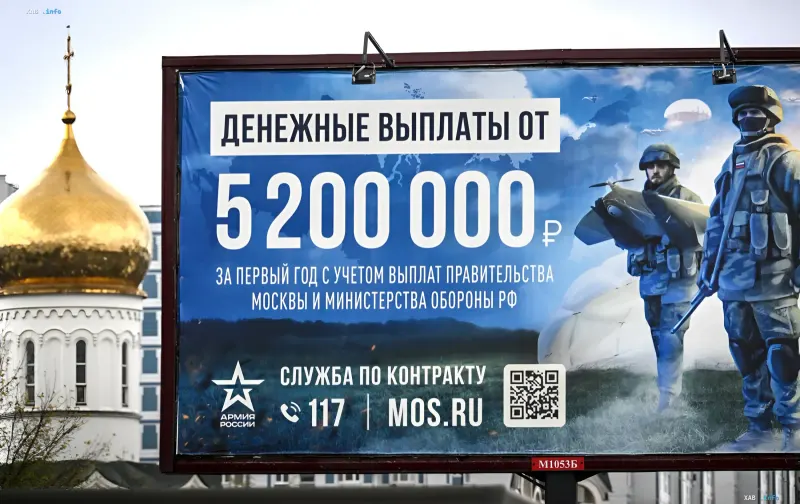
The large-scale campaign to recruit foreigners is directly linked to the acute recruitment crisis in the Russian army. According to the Institute for the Study of War (ISW), over the past year, the number of Russians willing to sign contracts has dropped by 20%. The trend of declining recruitment within the country has continued for several years.
In the absence of domestic human resources, Russia has resorted to the mass recruitment of foreigners. More than 42,000 people from abroad have already been recruited, using deception, financial manipulation, and traps involving fake employment. According to the Ministry of Foreign Affairs of Ukraine, citizens of almost 50 countries of the world have ended up in the ranks of the occupation forces. Hundreds of them have already been taken prisoner, and every fifth of the total number of foreign mercenaries has been eliminated at the front.


