
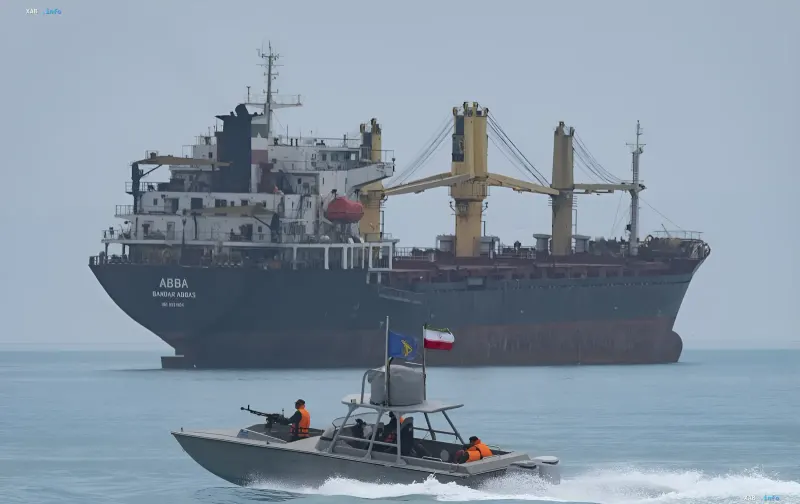
Against the backdrop of escalating tensions in the Strait of Hormuz and rising oil prices on the global market, the US and Iran have agreed to continue negotiations. However, as US President Donald Trump stated, the ceasefire regime between the countries has officially ended. Washington is putting forward tough conditions for dialogue, demanding public guarantees of maritime transport security from Tehran.
Diplomatic Activity in Oman
Key events are unfolding in Oman. Iranian Foreign Minister Abbas Araghchi arrived in Muscat on July 11 to discuss ways to de-escalate. Intermediaries from Oman, Qatar, and Pakistan are actively working to organize a four-way phone call between the interested parties.
On the American side, the delegation for negotiations looks impressive. According to media reports, it will be led by US Vice President JD Vance, Secretary of State Marco Rubio, as well as advisors Jared Kushner and Steve Witkoff. Despite the declared readiness for dialogue, the Iranian side insists that a meeting is impossible as long as Washington does not change its hardline stance.
Trump's Ultimatum and the End of the Ceasefire
US President Donald Trump commented on the situation in his Truth Social account, confirming his agreement to continue talks, but with an important caveat. "The Islamic Republic of Iran asked us to continue negotiations. We agreed to this, but the United States has unequivocally told them that the ceasefire regime is OVER!" — wrote the head of the White House.
Washington has issued an ultimatum, the deadline for which expires at the end of the day on July 11. The main US grievance is the demand to open the Strait of Hormuz for the free transit of ships without tolls. Previously, up to 20% of the world's oil supplies passed through this narrow waterway.
Conflict Escalation and Consequences
The decision to resume dialogue was made against the backdrop of a sharp escalation of violence in the region. This week, three commercial tankers belonging to Qatar and Saudi Arabia were shelled in the Strait of Hormuz. In response, the US revoked the license to sell Iranian crude oil and carried out airstrikes on targets in Iran, resulting in at least 17 deaths.
Tehran responded in kind, attacking US military bases in the Persian Gulf. The situation is further complicated by the position of the new Supreme Leader of Iran, Ayatollah Mojtaba Khamenei. On Saturday, he again threatened revenge for the killing of his father, which occurred on February 28 during joint US and Israeli airstrikes.
In response to the threats, Trump ordered the military to prepare thousands of missiles in case of an attempt on his own life. The conflict has already led to a rapid rise in global energy prices, creating serious pressure on the global economy.


