Despite active diplomatic efforts, experts and sources in the administrations of the US, Iran, and European countries do not foresee a quick end to the conflict between Washington and Tehran. According to analysts, the war will drag on for several more months as the parties cannot overcome the key obstacle — the dispute over the Strait of Hormuz.
The main stumbling block
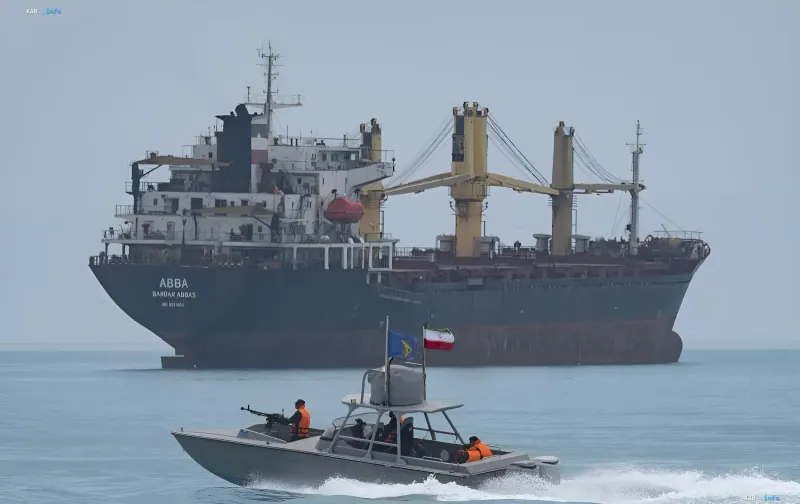
The strategic importance of the Strait of Hormuz remains the main reason why a long-term ceasefire agreement cannot be reached. About 20% of the world's oil and liquefied natural gas supplies pass through this narrow maritime route. Iran views control over the strait as a crucial lever of pressure on the US and a guarantee of its own security.
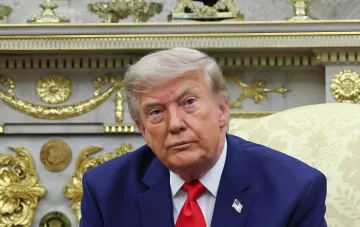
Tehran insists on its right to regulate ship traffic and levy fees on tankers heading to the Persian Gulf. However, US President Donald Trump, according to sources, is not ready to concede on this issue. Washington is unlikely to compromise until Iran changes its hardline stance.
Scenario of a protracted conflict
The situation will most likely develop according to a known scenario: alternating local hostilities, short pauses, and new clashes. Sources in contact with officials from both countries believe that no radical changes will occur in the near future.
In Tehran, they are convinced that the US will not risk a large-scale escalation due to fear of a sharp spike in oil prices and negative consequences for allies in the region. It was the rise in the cost of a barrel above $100 that became one of the reasons why Trump suspended daily airstrikes and once again bet on diplomacy.
Official position and new strikes
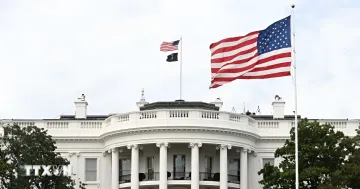
At the same time, White House spokesperson Anna Kelly rejected claims by anonymous sources regarding the president's motives. She called such comments speculation, emphasizing that only the Commander-in-Chief makes decisions.
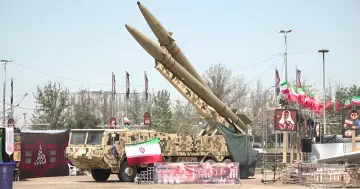
Despite the lack of desire to return to the large-scale war that raged in the spring, tensions remain. A new escalation occurred after an attack by the Islamic Revolutionary Guard Corps on US troops in Jordan. In response, the US, together with Saudi Arabia, launched strikes on Iran-backed groups in Iraq. Washington accused these formations of attempting to attack the kingdom's oil infrastructure.
After the shelling of his military personnel, Donald Trump reacted harshly, promising to deliver a powerful blow to Iran. Most likely, hostilities will continue with less intensity, while indirect negotiations will proceed with the mediation of Oman.