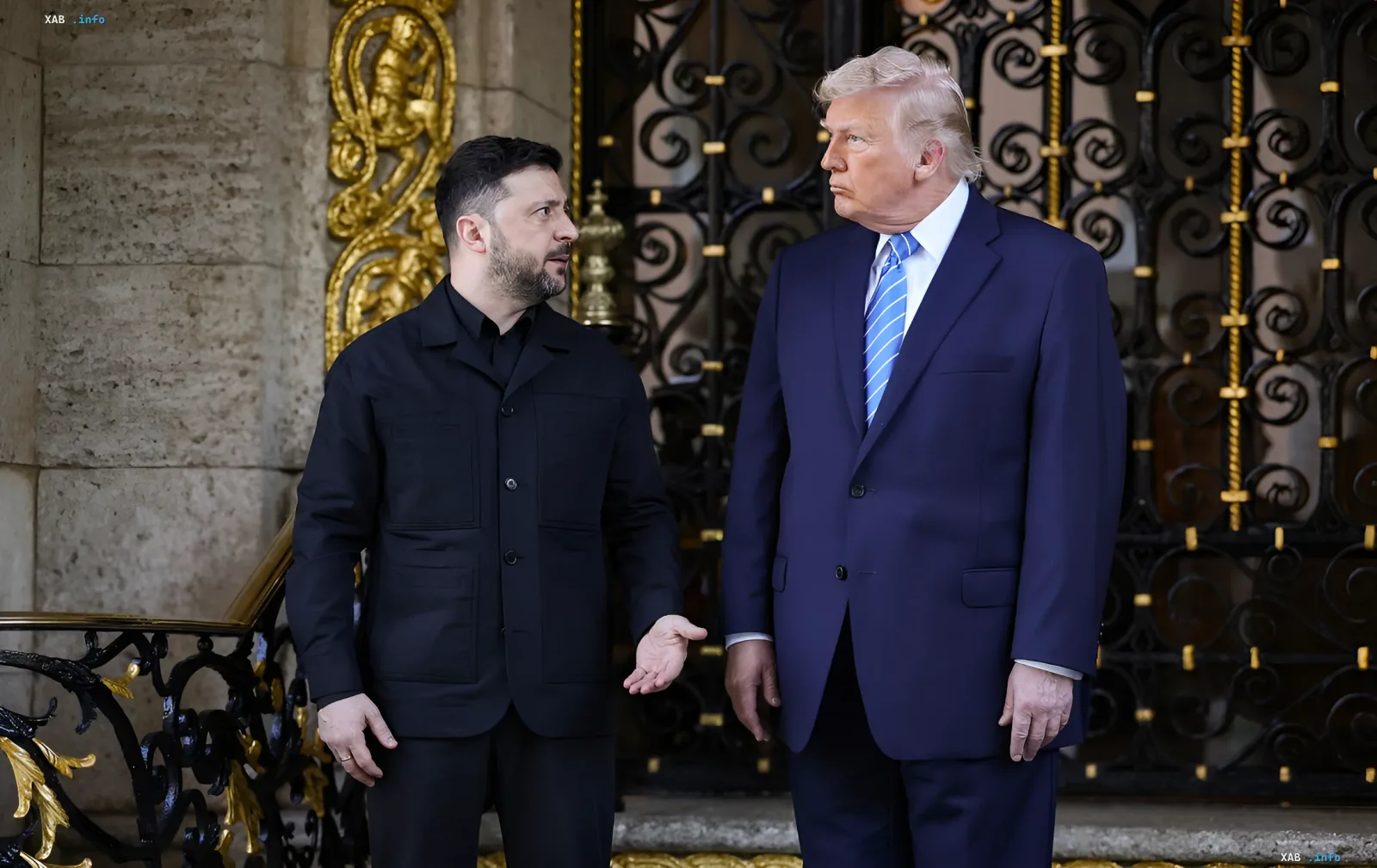
In early June, one of the key events of international diplomacy will take place in the resort town of Évian-les-Bains, France — the summit of the "Group of Seven" (G7). For the first time in recent years, US President Donald Trump will officially join the working session of G7 leaders. His participation will be the central element of the meeting, which will also be attended by Ukrainian President Volodymyr Zelenskyy.
The Ukrainian Question — At the Center of the Agenda
The summit will be held from June 15 to 17. According to Euractiv, the Ukrainian topic will be discussed during the very first working session. The main goal of European leaders, according to a high-ranking representative of the US administration, is to form a unified position on supporting Ukraine.
Currently, Europe provides the bulk of military and financial aid to Kyiv, as the US has ceased bilateral military donations. At the same time, European countries remain largely excluded from the peace negotiation process — which causes concern in Brussels and Paris.
Dialogue Parameters: Territory and Conditions
The Élysée Palace emphasized that the key task of the meeting in Évian will be to determine the conditions under which G7 partners can stimulate the start of dialogue between Ukraine and Russia. "It is extremely important to reach an agreement on the parameters or conditions of this dialogue, in particular on the issue of territory," noted the French President's administration.
European leaders also plan to emphasize the inappropriateness of lifting sanctions against Russia at this stage. Sanctions remain an important tool of pressure, and their preservation is one of the priorities for the EU.
The Middle East and the Strait of Hormuz
In addition to the Ukrainian question, the summit will discuss the situation in the Middle East and security in the Strait of Hormuz. These topics are acquiring special relevance against the backdrop of escalating tensions in the region and growing concerns about shipping and energy security.
Dinner in Versailles: Diplomacy Behind Closed Doors
After the official program of the summit is completed, Donald Trump will hold a dinner with Emmanuel Macron at the Palace of Versailles. This meeting will be an opportunity for personal negotiations and clarification of positions on key issues, including the Ukrainian conflict and trade disagreements.
Disagreements and New Roles
French President Emmanuel Macron invited Volodymyr Zelenskyy to participate in the G7 summit to restore consensus within the group on supporting Ukraine. The French leader hinted at disagreements with Donald Trump, particularly regarding the parameters of future peace negotiations.
Trump himself previously confirmed his intention to attend the meeting in Évian-les-Bains. His visit will take place against the backdrop of serious disagreements between Washington and key allies due to trade tensions and the US and Israeli war against Iran, which most European countries refused to support militarily.
Because the White House has redirected its attention to the Middle East, EU leaders have declared their readiness to take on a leading role in negotiations to end the war between Russia and Ukraine. Since the efforts of Trump's special envoys in early 2025 did not yield significant results, European countries, which have become Kyiv's main financial and military donors, are trying to seize the initiative in resolving the conflict.
What's Next?
The summit in Évian could become a turning point in diplomacy surrounding the Ukrainian conflict. If G7 manages to develop unified parameters for starting a dialogue, this will open the way to new negotiations. However, success depends on the ability of the US and Europe to overcome internal disagreements and find a balance between pressure on Moscow and support for Kyiv.
The world is watching how events will develop in Évian — because the decisions made here may determine the future not only of Ukraine, but also of the entire architecture of international security.


