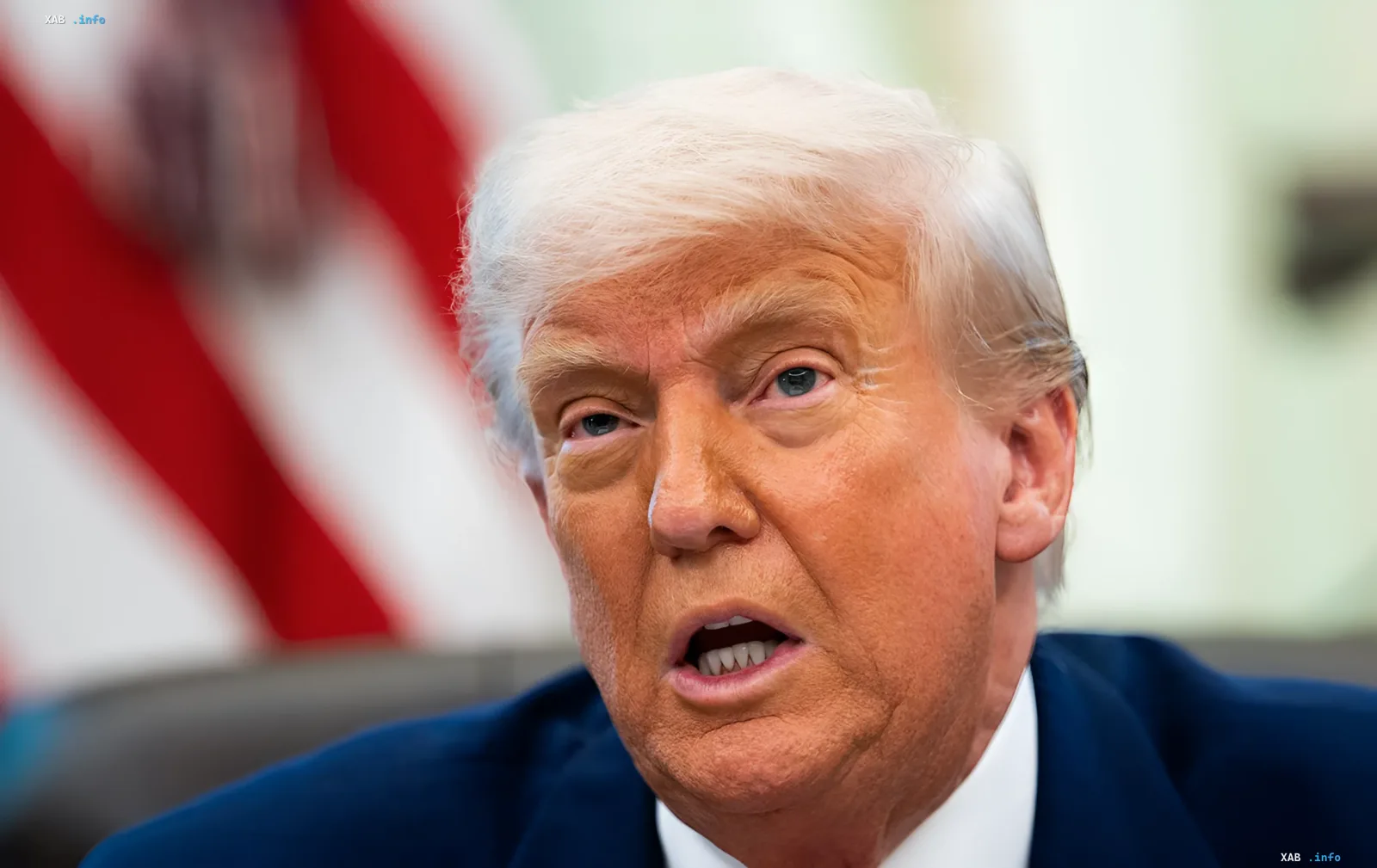
The United States is preparing for a large-scale military operation against Iran. As US President Donald Trump stated on his social network Truth Social, Tehran will suffer a 'very strong strike' on the evening of Thursday, June 11. This statement comes against the backdrop of escalating tensions in the region and a series of mutual accusations.
Plan to seize oil infrastructure
In his message, the White House chief did not limit himself to threats but outlined specific strategic goals. Trump emphasized that in the near future, American forces plan to seize Khark Island and the oil infrastructure located there. According to the President, the US will take full control over Iranian oil and gas markets.
"We will do it just like we did with Venezuela," Trump added, drawing a parallel with Washington's previous actions in Latin America.
Situation on the front: helicopter and retaliatory strikes
The escalation of the conflict began on June 9. On that day, Donald Trump reported that Iranian forces shot down an American AH-64 attack helicopter in the area of the Strait of Hormuz. In response to the incident, the President threatened Tehran with new strikes.
The night of June 10 marked the beginning of the active phase of the confrontation: the US struck Iranian air defense systems, command posts, and a number of other military facilities. In response, Tehran announced attacks on American targets in the Middle East.
Assessment of enemy forces and pressure on negotiations
In his latest statement, Trump expressed confidence that Iran's defensive potential has been virtually destroyed. He claimed that the Iranian Navy, Air Force, radar systems, and air defense assets have already allegedly "disappeared".
The political context of the escalation is linked to negotiations. Trump accused Iran of dragging out the diplomatic process and stated that the country would have to "pay" for such actions. The evening before, American media reported that the President held a meeting in the White House Situation Room, where the resumption of attacks was discussed. Among the options considered was a short-term but large-scale operation designed to increase pressure on Iran during negotiations.
Pentagon reaction and start of bombings
Pentagon Chief Pete Hegseth confirmed readiness for immediate action, stating that a new strike could be launched as early as the coming night or within 24 hours. Military forecasts came true: on the night of June 11, the US resumed bombing Iranian territory.


