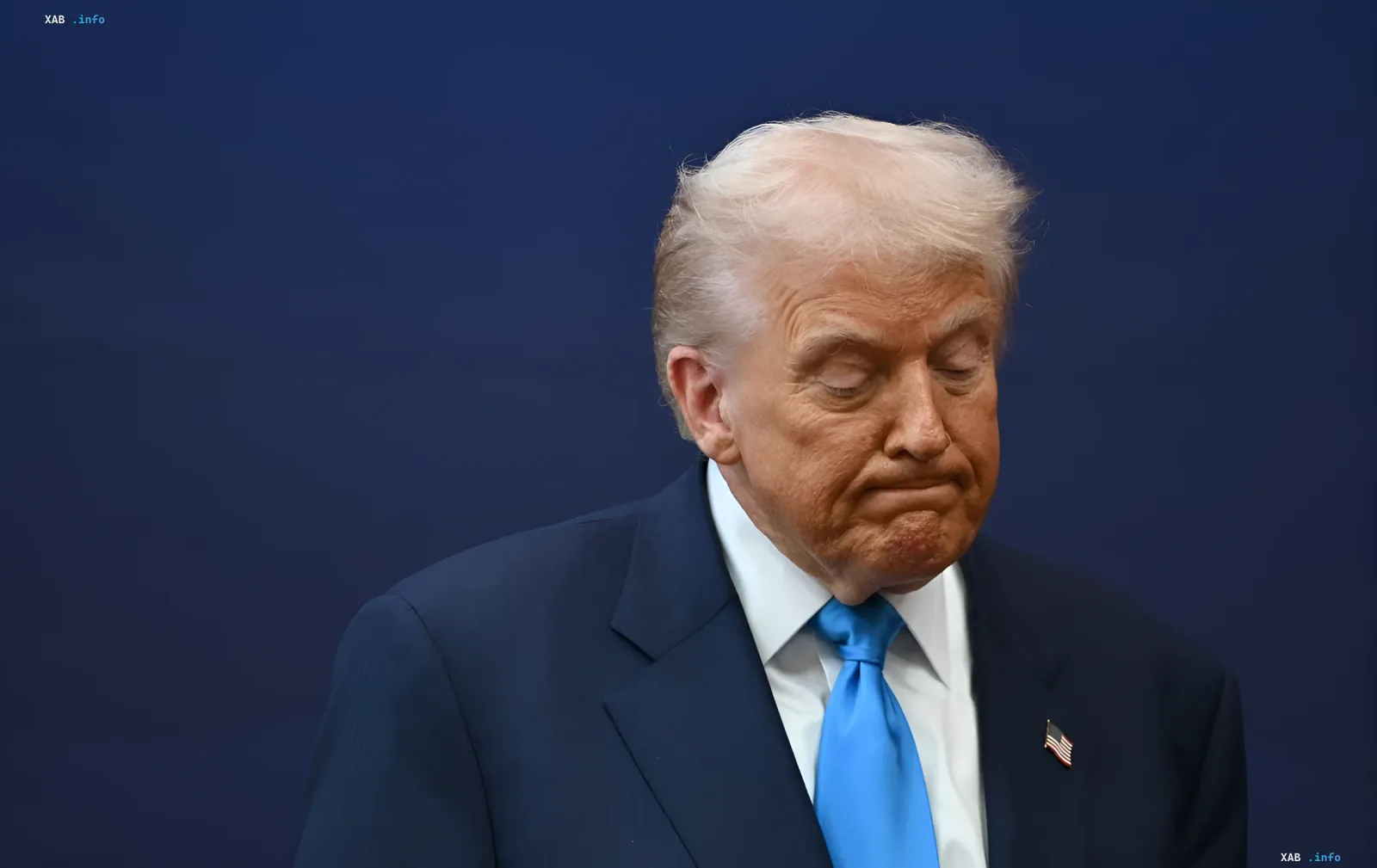
A fresh Reuters/Ipsos poll, cited by RBC-Ukraine, paints a mixed picture for the US administration: President Donald Trump's approval rating has edged up after falling to a record low, yet the Republican Party's position on the eve of the midterms has deteriorated noticeably. According to the latest data, 35% of Americans approve of Trump's job performance as president, compared with 33% at the end of August — the lowest figure of his entire second term.
Approval rating: from a record low to a modest rebound
The trend in approval remains volatile. In early September, Trump's rating, according to the same poll, held at 33%, while in July 2026 it reportedly slumped anomalously — about two-thirds of those surveyed expressed disagreement with his policies. Editors describe the current rise to 35% as a modest rebound from the bottom rather than a sustained trend: a two-point gap falls within the margin of error of most polls and does not change the overall picture of low support.
Economic promises and voter sentiment
One indicator of discontent was the response to a specific proposal from the US leader: 63% of those surveyed opposed the idea of paying Americans $5,000 each if the Republicans retain control of Congress. In a hypothetical nationwide vote on Congressional candidates, 44% of respondents said they would support the Democrats, against 37% for the Republicans. Thus, the Democratic Party's lead stands at 7 percentage points, which, according to Reuters, is the largest gap in favor of the Democrats in such polls since Trump returned to the White House in 2025. It is separately noted that Americans have, for the first time in the past decade, come to trust the Democrats slightly more on the question of managing the economy, although this edge remains small.
Drivers of discontent: the war with Iran and construction projects
Voter sentiment, according to the poll, is influenced in part by the aftermath of the war with Iran, which, as the source indicates, Trump launched in February. The conflict caused disruptions in oil supplies and rising fuel prices, which have been felt by American households. A separate factor of discontent has been the large-scale construction projects in Washington, in particular the White House ballroom: about two-thirds of those surveyed consider such spending low-priority, and opposition to the project comes not only from Democrats but also from about a quarter of Republicans.
Contradictory data
Publications from different outlets show discrepancies in how the same figures are presented. A number of sources (for example, Real Tribune and BFM) emphasize that it "plunged to 33%" and paint a picture of a historic failure, whereas the latest Reuters/Ipsos snapshot records a rebound to 35%. In fact, this is not a contradiction in the numbers but a difference in the timing of the snapshot: 33% is the low for late August / early September, while 35% is the current value. Nevertheless, it is important for the reader that both facts coexist: the rating first fell to a record bottom and then recovered slightly, without crossing the threshold of sustained growth.
The significance of the midterms
The US Congressional midterms will be held in November. The Republicans losing control of at least one chamber could significantly complicate Trump's ability to advance his political agenda before the end of his term. Thus, even with a slight rise in the president's personal rating, the key political risk for his team becomes a possible shift in the balance of power in Congress in favor of the Democratic Party.