

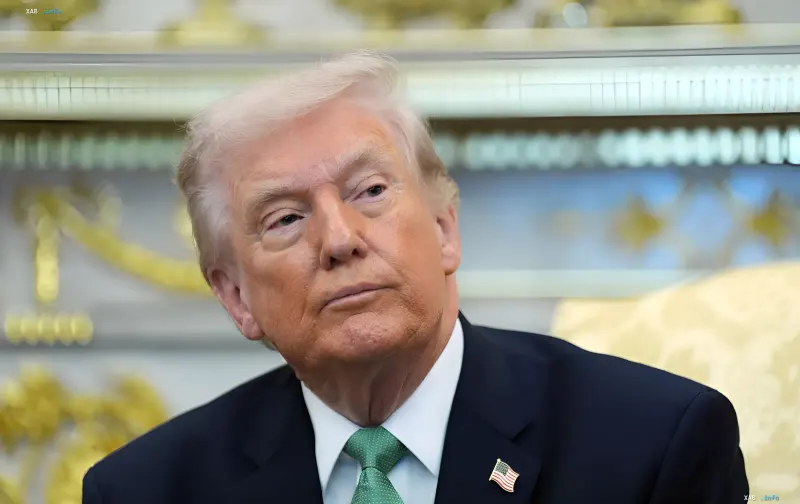
The situation in the Middle East has sharply escalated following a statement by US President Donald Trump. While in Ankara for the NATO summit, the American leader officially announced on the morning of July 8 the termination of the ceasefire regime with Iran and previewed new military strikes against the country.
Trump stated that he is no longer interested in negotiations with Tehran, calling the Iranian leadership "scum" and "sick people." According to him, the US plans to deliver powerful strikes against Iran's civilian infrastructure, as well as seize the strategically important island of Kharg.
From Diplomacy to War: How the Agreement Collapsed
Just a few weeks ago, it seemed that the conflict was nearing an end. Since late spring, a ceasefire had been in effect between the US and the Islamic Republic, and on June 17, the parties signed a framework agreement. Iran was to guarantee freedom of navigation in the Strait of Hormuz and renounce its nuclear program in exchange for compensation and preferences.
However, by the end of June, the situation spiraled out of control. Three cargo ships were attacked in the Strait of Hormuz, a direct violation of the agreements. In response, American troops launched a series of strikes against military targets in southern Iran. Tehran announced counterattacks, evidenced by reports of shelling dangers in Bahrain and Kuwait.
The US President accused the Iranians of distorting facts and violating the ceasefire. Trump noted that Iranian representatives publicly denied discussing a ban on nuclear weapons, although this was a key point of the deal. In an emotional outburst, he even slipped up, referring to Iran as the "Islamic Republic of Japan".
Tehran's Response and Market Reaction
The Iranian leadership responded to the threats with harsh rhetoric. Rear Admiral Habibollah Sayyari, head of the Iranian army staff, warned that any attempt to land troops on the Iranian coast would mean the enemy would "go to hell, from which there is no escape".
Iranian Parliament Speaker Mohammad Bagher Ghalibaf wrote on social media: "The era of harassment and extortion is over. We will not surrender." The Central Headquarters of Khatam al-Anbia also warned that any countries supporting US forces would be considered a legitimate target for Iranian armed forces.
The bellicose statements immediately reflected on the global economy. Stock markets in Europe and Asia fell by approximately 2% in a day, while oil prices rose by more than 6%. Gulf countries are already preparing to repel possible attacks, and hopes for restoring stability in the region are once again postponed indefinitely.


