U.S. President Donald Trump has canceled previously announced plans to live-stream the execution of Nidal Malik Hasan, the perpetrator of the 2009 mass shooting at the Fort Hood military base. The decision comes amid a widespread wave of protests involving lawmakers from both parties — Republicans and Democrats alike. The initiative, previously promoted by Defense Minister Pete Hegseth, faced unprecedented internal resistance in American politics.
The President's Decision
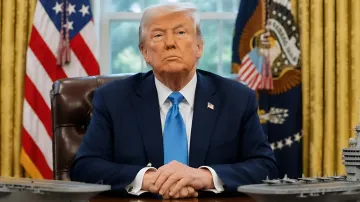
In a post published on October 15 on the Truth Social platform, Trump acknowledged that a public broadcast of the execution could serve as "a serious warning to terrorists." However, he explained the retreat from the idea by noting that "many good and well-meaning people do not want to witness an execution." Thus, the president effectively yielded to pressure from within his own party and a segment of the public that had previously supported him in the election.
The Hasan Case
Nidal Malik Hasan is a former U.S. Army medical corps major who was sentenced to death in 2013. In 2009, he opened fire at Fort Hood in Texas, killing 13 people and injuring 32 others. The case became one of the most high-profile in the history of the American military and remains a symbol of internal threats within the armed forces.
The Wave of Resistance
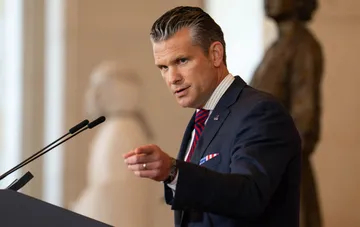
The live broadcast plan, announced by Defense Minister Pete Hegseth, met with widespread rejection. Many lawmakers pointed out that execution footage could be used by extremist organizations as a tool for propaganda or incitement to violence. Disapproval was expressed even by the president's close allies: Vice President JD Vance, House Speaker Mike Johnson, and a number of Republican lawmakers. Several religious organizations called the idea of a public broadcast "barbaric" and contrary to American values.
Execution Details
According to the approved plan, Hasan's execution will take place on December 3. Only the immediate families of the Fort Hood shooting victims will be allowed to attend in person. Thus, there will be no public showing of the execution, and the circle of potential witnesses has been significantly narrowed to a select few directly harmed by the crime.
Context and Consequences
The abandonment of the broadcast demonstrates the limits to which the U.S. administration is willing to go regarding the public display of capital punishment. Even within the ruling party, the idea was perceived as politically risky and potentially counterproductive. Trump's final decision became a compromise: the execution will take place, but without a public display, removing the critics' main argument about the potential use of the footage for propaganda purposes.