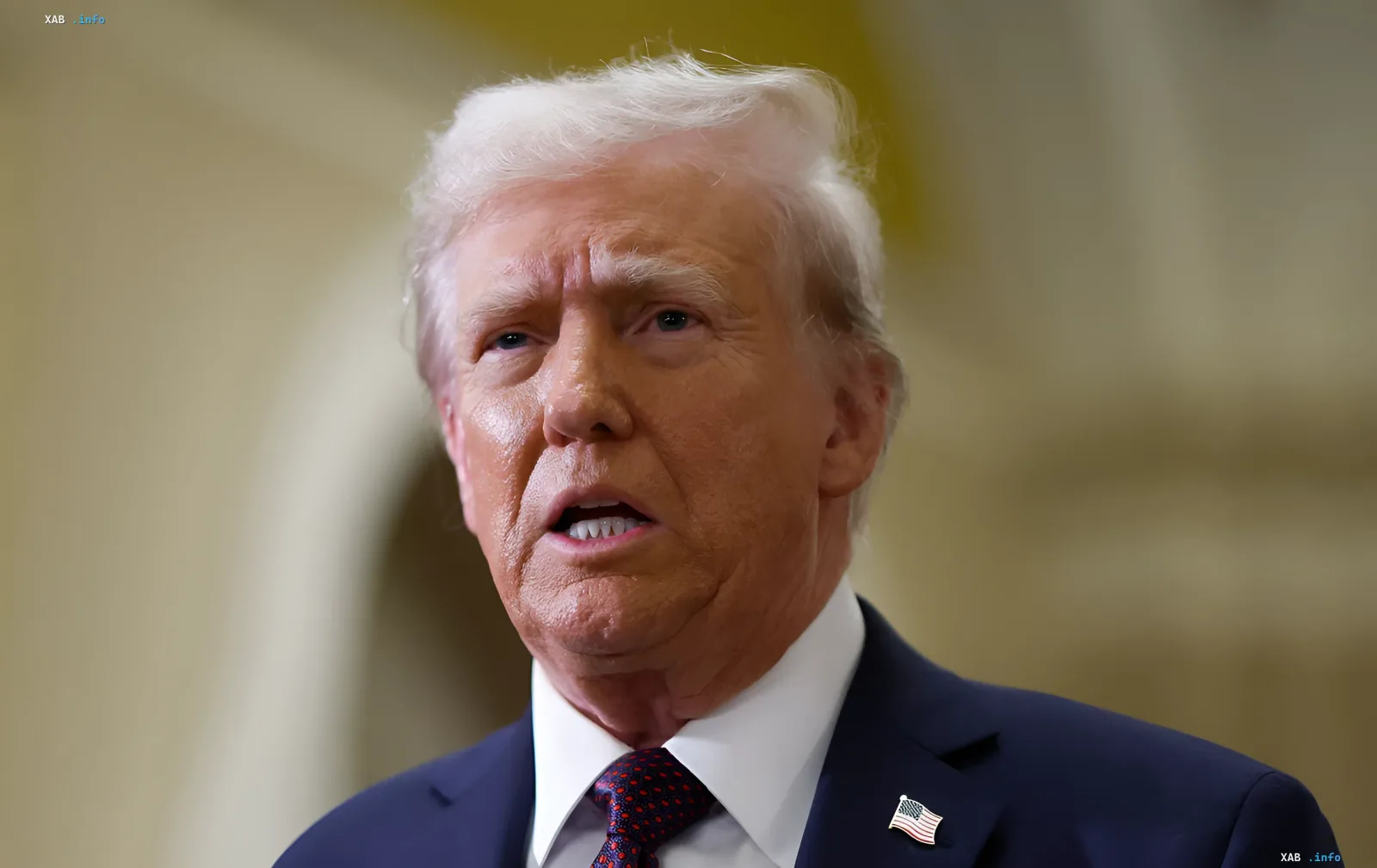
Last night on Thursday, June 11, the situation in the Middle East changed dramatically. US President Donald Trump officially announced the cancellation of the planned strikes and bombings against Iran scheduled for that day. The decision was made against the backdrop of progress in diplomatic negotiations, which, according to the American leader, have reached the highest level of the Iranian leadership.
Diplomatic breakthrough instead of escalation
In his post on the social network Truth Social, Trump explained that the cancellation of the military operation is directly linked to the approval of negotiations by the Islamic Republic of Iran. "Given the fact that negotiations have been elevated to the highest level of Iranian leadership and approved, I, as President of the United States, have canceled the strikes planned for tonight," the President wrote.
According to Trump, the discussion and final points of the future agreement have been agreed upon by all involved parties both conceptually and in detail. A wide range of countries have been included in the negotiation process, including the US, Israel, Saudi Arabia, UAE, Qatar, Turkey, Pakistan, Bahrain, Kuwait, Jordan, and Egypt.
Maritime blockade remains in force
Despite the cancellation of air strikes, pressure on Tehran does not cease. Trump emphasized that the maritime blockade remains in full force until the completion and signing of the agreement. An official announcement regarding the time and place of the document signing is expected in the near future.
Earlier that same day, Trump had announced a "very strong strike" against Iran. In his statements, he also mentioned plans to capture Khark Island and Iranian oil infrastructure facilities in the future. However, the diplomatic success allowed for the avoidance of immediate escalation.
Context: a tense night before the ceasefire
The decision to cancel the strikes was made against a backdrop of high tension. On the night of June 10, the US launched strikes on Iranian air defense systems, command posts, and a number of other military facilities. In response, Tehran announced retaliatory attacks on American targets in the Middle East.
Pentagon Chief Pete Hegseth had previously warned that new strikes could occur as early as the coming night or within the next 24 hours. On the night of June 11, American forces did indeed bomb Iranian territory, but this was followed by a statement canceling further operations.


