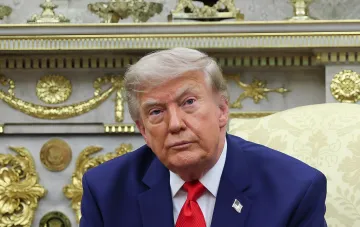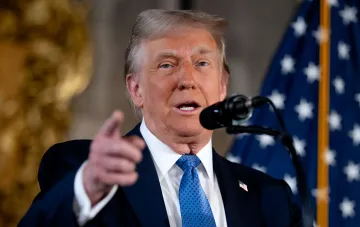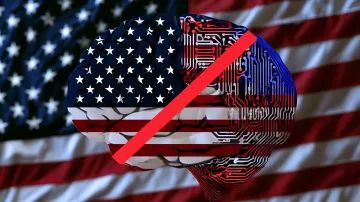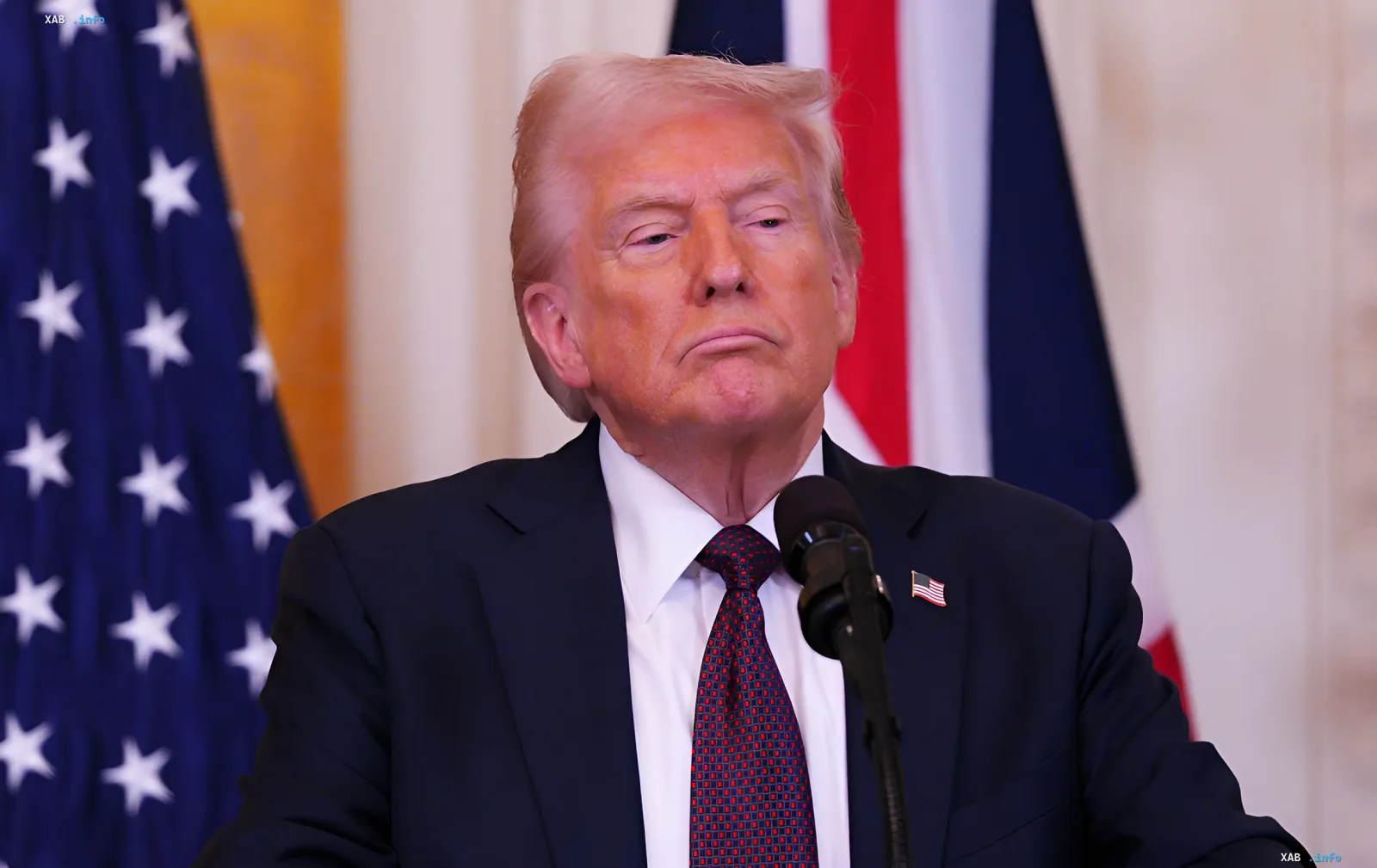
US President Donald Trump has officially announced the creation of a fundamentally new government structure — the «Super Intelligence Force». This body is designed to coordinate all state policies of the American administration in the field of artificial intelligence, combining the efforts of various departments to achieve technological supremacy on the world stage. According to the American leader, the scale of the upcoming technological transformation surpasses the industrial revolution and the advent of the internet combined, which requires an unprecedented concentration of resources and strategic planning at the highest state level.
Management Structure and Key Figures
According to published data, the new agency includes four high-ranking officials of the American administration. The group is headed by Director of National Intelligence Jay Clayton, who has already been unofficially dubbed the «AI czar» of American politics. In addition to him, the structure includes Federal Trade Commission Chairman Andrew Ferguson, Director of the US Office of Personnel Management Scott Kupor, and Deputy Secretary of Defense for Research and Engineering Emil Michael. This council will directly interact with the consumer sector, non-profit organizations, religious institutions, critical infrastructure operators, and leading technology corporations.
Objectives and Direct Accountability
The new structure was created to develop a unified vector of state policy capable of strengthening the position of the United States in the global competitive struggle. The «Super Intelligence Force» will report directly to President Donald Trump and his Chief of Staff Susie Wiles. The group is designed to ensure that America maintains its leadership in the field of artificial intelligence, protecting national interests and improving the quality of life for all citizens. Previously, Trump repeatedly emphasized the strategic importance of this race, stating in September the concise formula: «Whoever wins AI wins».
Contradictory Data
Serious discussions have unfolded around the creation of the «Super Intelligence Force». On the one hand, the administration insists on the need for a forced technological breakthrough to outpace geopolitical competitors, particularly China, and opposes calls to slow down innovation. On the other hand, a number of leading IT executives express serious concern about the risks of too rapid development of artificial intelligence and demand stronger security measures. Recall that in late September, Trump already held a meeting with the heads of Google, Anthropic, Meta, Nvidia, xAI, and OpenAI, following which the tech giants agreed to voluntary self-control measures and external audits, but the emergence of a new power government body demonstrates the state's intention to tightly control this area.
Expert Assessments and Consequences
The expert community and international observers diverge in their assessments of the effectiveness of the new body. Some analysts regard this step as a timely and necessary consolidation of efforts in the face of future technological challenges. Other experts fear excessive bureaucratization and potential conflicts between state regulators and the private technology sector. Nevertheless, the creation of the «Super Intelligence Force» has already set a new standard of state intervention in the US digital economy, the consequences of which will determine the balance of power in the global IT market for decades to come.