Amid escalating tensions in the Middle East and a series of mutual airstrikes, Washington and Tehran have achieved a breakthrough in negotiations. Both sides have agreed on the text of a preliminary document, which could be signed in the coming days. According to sources, this is a "Memorandum of Understanding" capable of radically changing the geopolitical situation in the region.
Key Terms of the "Islamabad Agreement"
According to Axios, the document, likely to be named the "Islamabad Agreement," includes a number of fundamental points aimed at de-escalating the conflict:
- Extension of the ceasefire: The moratorium on hostilities will be extended for another 60 days. This provision applies not only to Iran but also to the situation in Lebanon.
- Easing of sanctions pressure: The US commits to beginning the phased lifting of sanctions against Iran. The pace of this process will depend directly on how strictly Tehran fulfills its obligations.
- Opening of the Strait of Hormuz: The document provides for the immediate resumption of shipping through the strategically important strait. Restoration of pre-war shipping volumes is planned within 30 days of signing the agreement, implying the end of the American blockade.
- The nuclear issue: Iran undertakes never to create nuclear weapons. Also, within the framework of the memorandum, the issue of enriched uranium stocks will be resolved.
Uranium Solution and the Role of the UN
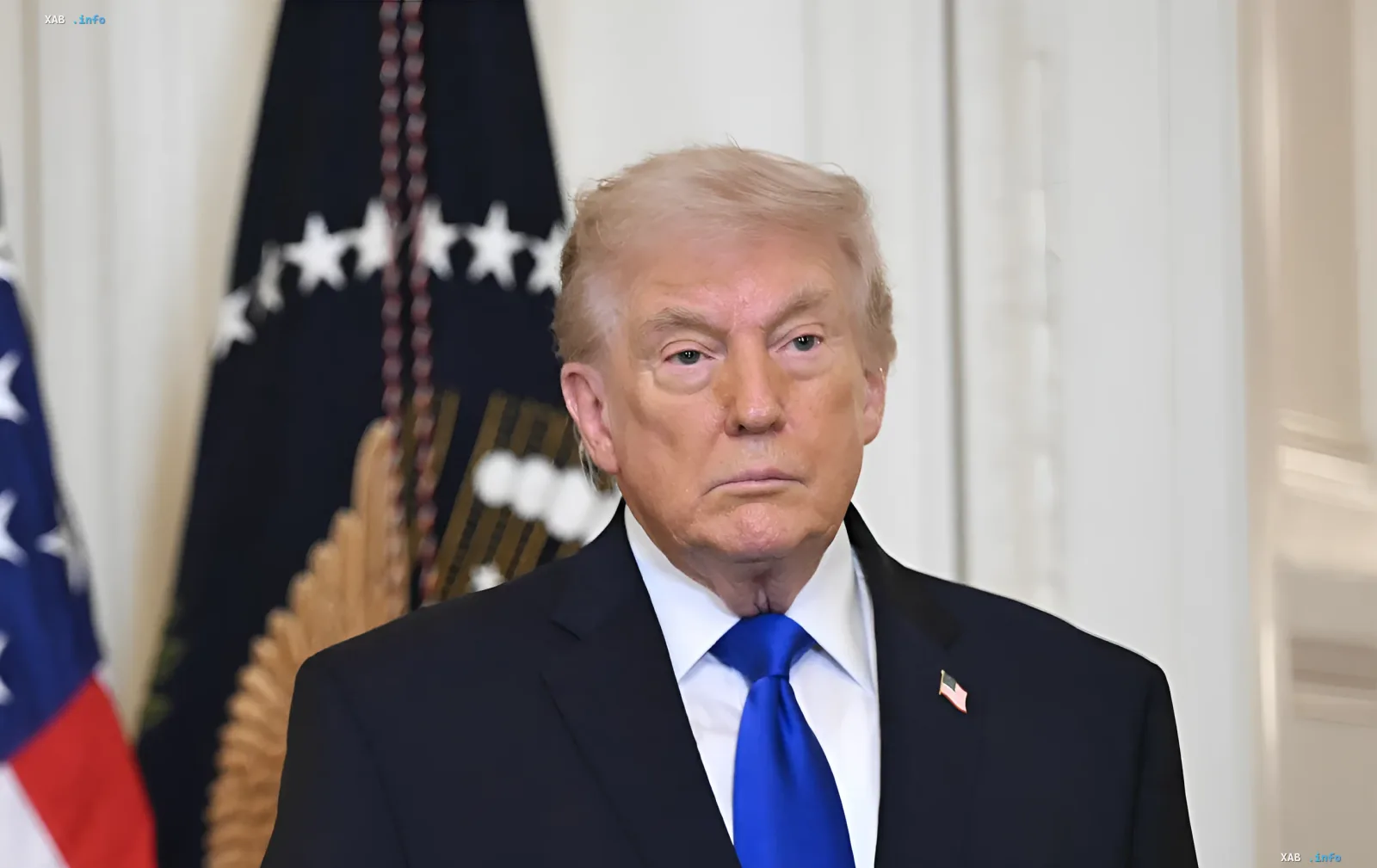
One of the most difficult issues in the negotiations was the fate of Iran's highly enriched uranium. US President Donald Trump agreed to a proposal according to which this uranium will be diluted on Iranian territory. A critically important condition is that the entire process will take place under the strict control of UN inspectors.
Diplomatic Intrigue: Israel Left Out
The announcement of an agreement came as a complete surprise to Israeli Prime Minister Benjamin Netanyahu. According to American sources, in recent days the Israeli leader remained unaware of the progress of the negotiations. Netanyahu actively contacted his allies close to the Trump administration, trying to get any information, but to no avail.
According to a diplomat from one of the mediating countries, the text of the agreement has already been agreed upon, but it requires final approval. The document has received approval at the highest level in Tehran, but has probably not yet been signed by Iran's Supreme Leader Ali Khamenei.
Signing Logistics and Cessation of Strikes
Preparations for the signing ceremony are already in full swing. Yesterday, June 11, four US Air Force C-17 military transport aircraft flew to Europe. They are delivering equipment for a possible trip by Vice President JD Vance to Geneva, where the signing of documents could take place this coming weekend.
The diplomatic breakthrough occurred against the backdrop of an active military phase of the conflict. On the night of June 10, the US struck Iranian air defense systems and command posts. In response, Tehran announced attacks on American targets in the Middle East. Pentagon Chief Pete Hegseth warned that new strikes could follow within the next 24 hours. On the night of June 11, American forces bombed Iranian territory again.
However, Donald Trump personally announced the cessation of airstrikes, citing progress in the negotiation process. The US President is confident that the negotiations are in the final stage, and the signing of the historic agreement could take place as early as this weekend.


