
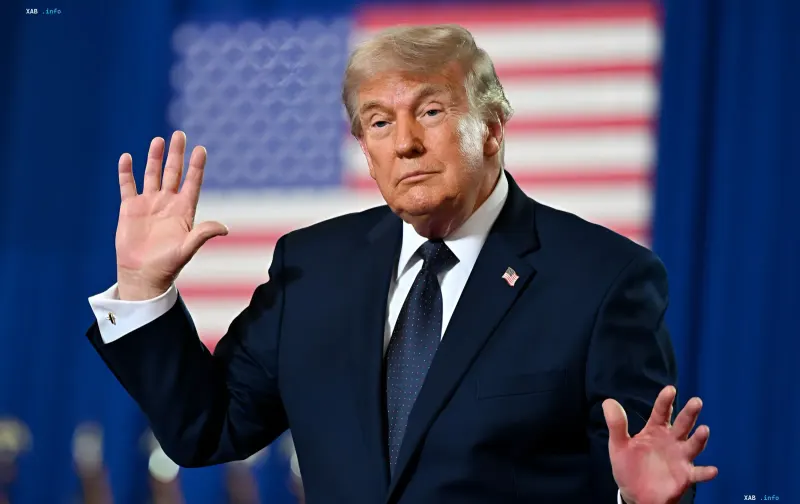
Donald Trump is once again at the center of attention due to a provocative social media post. This time, the object of his sarcasm is Italian Prime Minister Giorgia Meloni. The American leader published a photo from the G7 summit showing the Italian leader looking at him, adding the caption: "Restraining order needed".
What does "restraining order" mean?
This is a legal document issued to protect a person from harassment. It obliges the offender to maintain a certain distance. Thus, Trump ironically played on Meloni's facial expression in the photo — as if she were afraid of him or needed protection.
Not the first time: history of the conflict
This is not the first public spat between Trump and Meloni. Previously, he claimed that she had "begged" him to take a joint photo during the G7 summit. Meloni then called those words lies and rejected such hints.
Rome's reaction: ignoring
This time, the Italian government decided not to react to Trump's post. As reported by Corriere della Sera, Meloni and Foreign Minister Antonio Tajani discussed the situation and agreed to ignore the new provocations. The strategy is not to give cause for escalation.
Defense from opponents
However, not everyone stayed on the sidelines. The leader of the Azione party, Carlo Calenda, publicly supported Meloni: "Trump is a nasty hooligan. Full solidarity with the Prime Minister". His words became one of the few official comments in defense of the head of government.
Context: Meloni's other conflicts
Meloni has already faced tension in international relations. She gave Trump advice against the backdrop of their conflict, as well as expressed dissatisfaction with the NATO Secretary General after his statements about Italy's contribution to the war in the Middle East. In addition, in Rome, rumors were commented on about the possible blocking of aid to Ukraine in 2027.
The situation with Trump and Meloni is a vivid example of how social networks become an arena for political battles. And while one side remains silent, the other continues to write history — in the format of short posts and biting captions.


