US President Donald Trump has officially notified Congress of the resumption of hostilities against Iran. This notification initiates a new 60-day period during which the administration is authorized to conduct military operations without additional legislative approval.
Legal consequences of the notification
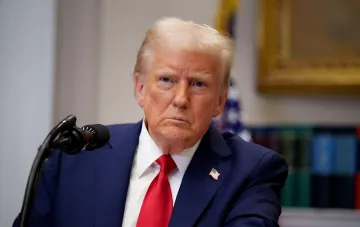
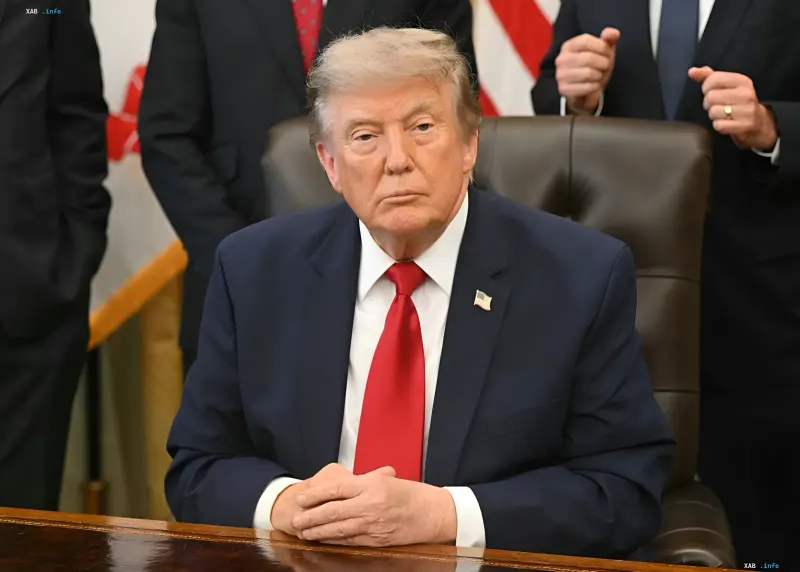
In a letter sent to Congress, Trump stated that the airstrikes launched on July 7 constitute military actions necessary to protect US national interests both domestically and abroad. The phrase "We are once again at war with Iran" from the official notification triggers the countdown under the War Powers Resolution.
Scale of operations in the Strait of Hormuz
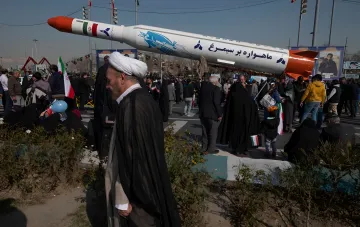
According to US command, over the past week, US forces have struck more than 300 Iranian military targets. These actions were a response to provocations by Tehran in the area of the Strait of Hormuz. On Monday, US Central Command confirmed the execution of new strikes by order of the White House chief.
The Strait of Hormuz is critical for global energy supplies. Any escalation in this region could impact global oil and gas prices, making the conflict economically sensitive for the entire world.
Legislators' reaction and legal context
Under current legislation, the President may conduct military operations without a formal declaration of war by Congress for a period of 60 days. Earlier, in May, Trump informed lawmakers of the conclusion of hostilities that began in late February. However, the political situation in Washington remains tense: last month, the Senate voted to end military operations without Congressional sanction.
The Senate vote resulted in 50 votes in favor against 48 against, with several Republicans joining Democrats to support the initiative. A similar decision was previously made by the House of Representatives, where the vote count was 215 to 208.