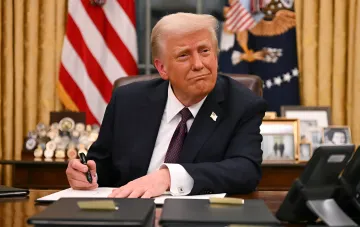
On October 17, 2026, U.S. President Donald Trump told reporters that the administration had decided to temporarily suspend several sanctions and tariffs against Russia implemented under the Graham Act. According to the head of the White House, this is a 'very good decision' that 'will benefit the country and the whole world.' Secretary of State Marco Rubio clarified that officials will need up to 60 days to assess the economic consequences of the measures before they take full effect. The decision was made amid rising global energy prices and a few weeks before the November midterm congressional elections.
October 16 Decree: The Graham Act Waiver Mechanism
On October 16, 2026, Trump signed a decree permitting exceptions to key sanctions and tariffs stipulated by the Graham Act—a document he signed in September at the initiative of lawmakers seeking to increase pressure on Moscow over the war in Ukraine. The decree did not contain exact deadlines for the waiver. According to data voiced by Rubio, the president decided to review the provisions after 60 days. The measures themselves—including tariffs on Russian goods and sanctions against countries purchasing Russian oil and gas—were expected to take effect the week following the signing of the decree.
The Sixty-Day Analysis: Secretary of State Rubio's Stance
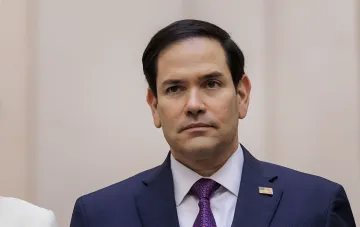
U.S. Secretary of State Marco Rubio, speaking to reporters before boarding a plane in Uzbekistan, explained the logic behind the delay: 'The president wants to use the 60-day period to analyze what the introduction of sanctions and tariffs will mean for the global economy, as well as for the economy of the United States itself.' Rubio emphasized that the additional assessment is driven by current tensions in the global energy market and the need to develop 'the optimal combination of sanctions and tariffs.' Trump himself confirmed on October 17 that a final decision has not yet been made: 'Many of you don't know yet what decision I've made, but we'll clear everything up soon.'
Energy Context: Iran, Houthis, and the Strait of Hormuz
Rubio pointed to several factors putting pressure on global energy supplies: the situation around Iran and the Strait of Hormuz, Houthi attacks on facilities in Saudi Arabia, and strikes on energy infrastructure during the Russian-Ukrainian conflict. According to him, the cumulative impact of these factors is driving a steady rise in global oil and gas prices. This exact backdrop, in the Secretary of State's estimation, makes the immediate imposition of a full package of restrictions premature, as it could further undermine energy market stability and raise import costs for U.S. allies.
India and the Allies' Dilemma
Rubio specifically dwelt on India's position—a country that, in his words, 'is actively diversifying its energy sources' but still imports 'a large amount of energy from Russia because changing everything completely overnight is not easy.' The Secretary of State emphasized that New Delhi remains 'an important ally and partner of the United States,' and Washington must take this factor into account when calibrating the sanctions regime. The Graham Act provides not only for direct sanctions against Russia but also for tariffs on goods from countries importing Russian energy products, making the issue of applying measures to third countries particularly sensitive.
Moscow and Kyiv's Reactions
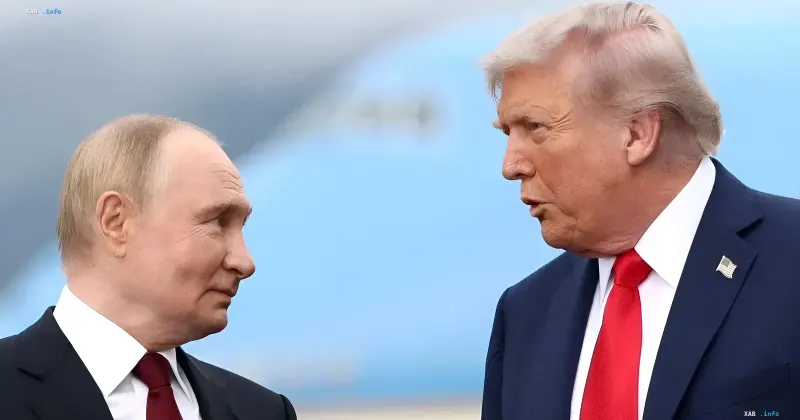
In Moscow, the temporary suspension was viewed positively. Special Envoy of the Russian President for Foreign Investments and Economic Cooperation Kirill Dmitriev called the Trump administration's decision a 'significant and historical moment.' In Kyiv, conversely, the reaction was sharply negative: the President of Ukraine called the suspension of sanctions a 'serious mistake' and stated that it would push Russia to prolong the conflict. Thus, the two capitals evaluate the exact same decision diametrically opposed—as a step toward detente or as a signal of weakness.
Political Background: November Elections and Pressure on the White House
The timeline of the decision is not accidental: the decree was signed just a few weeks before the November 2026 midterm congressional elections. Amid rising energy prices, the conflict with Iran disrupting global oil supplies, and the ongoing war in Ukraine, the Trump administration faces mounting pressure both from voters concerned about inflation and from lawmakers demanding a hard line against Moscow. Entering a 60-day pause allows the White House to maintain formal support for Congress's sanctions initiative while avoiding an immediate economic shock in the energy market ahead of key elections.