
Washington is preparing for a prolonged escalation scenario. According to sources in the administration, the White House anticipates a multi-day, and possibly multi-week, exchange of strikes with Iran in the strategically vital Strait of Hormuz. The duration of this new campaign will depend directly on Tehran's actions: if Iran continues to attack merchant vessels, the conflict could stretch from several days to a month.
Economic factor and confidence in reserves
According to US officials, the United States currently has more leverage for escalation than before. In recent weeks, hundreds of oil tankers have successfully passed through the Gulf of Mexico, allowing for the creation of strategic reserves. This circumstance has significantly reduced anxiety within the administration: the resumption of active hostilities is unlikely to cause an immediate spike in oil prices, which was previously the main deterrent.
Tehran's disappointment and the breakdown of the ceasefire
Officials cite the disappointment of the radical wing of the Iranian leadership as the cause of the current outbreak of violence. In Tehran, it is believed that the signed memorandum of understanding has not yielded the expected benefits. Iranian elites have felt a loss of control over the Strait of Hormuz: hundreds of vessels have begun using the southern route near the coast of Oman, bypassing Iran's sphere of influence.
Furthermore, despite the lifting of some sanctions, Iran has faced real economic difficulties:
- Financial institutions are refusing to approve deals for the sale of Iranian oil.
- Partner countries are reluctant to use temporary exemptions from sanctions regimes.
- Frozen Iranian assets have not been unfrozen, as Tehran has not taken the steps towards the nuclear deal stipulated by the agreement.
The situation was exacerbated by a framework agreement between Israel and Lebanon, brokered by the US, which rendered the Lebanese part of the memorandum of understanding effectively unnecessary.
Timeline of escalation: from July 7 to the present
The chain of events began on July 7, when Iran attacked three merchant vessels in the Strait of Hormuz. On the same day, the US launched a series of retaliatory strikes, to which Tehran soon responded with its own counterattack.
On Wednesday, July 8, US President Donald Trump officially stated that the 60-day ceasefire stipulated by the memorandum was "terminated" due to provocations by the Iranian side. In the night of July 9, the US moved to a second round of strikes near the strait, for the first time in several months attacking infrastructure objects directly inside Iran.
In response, Iran struck US bases in Kuwait and Bahrain, stating that it would not give up its claims to control over the strait.
Trump's position: readiness for war and negotiations
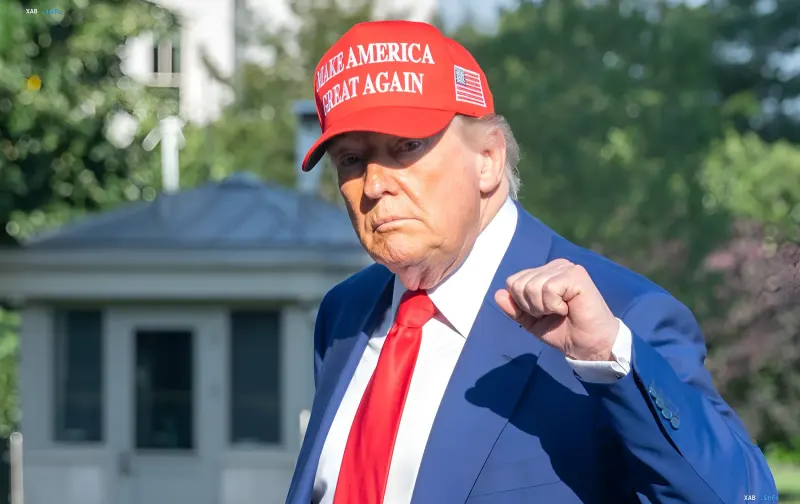
Donald Trump himself, in the night of July 9, made it clear that the US is ready for further escalation. However, commenting on the situation, he also reported that Iranian officials had "recently called" and expressed a desire to strike a deal.
"Part of the Iranian leadership was dissatisfied with all this... They started shooting, and we decided it was time to give them a fight back. This is a process. We have patience. If we feel we are not getting the deal we want, we will not make it," a senior official stated, emphasizing the firmness of Washington's position.


