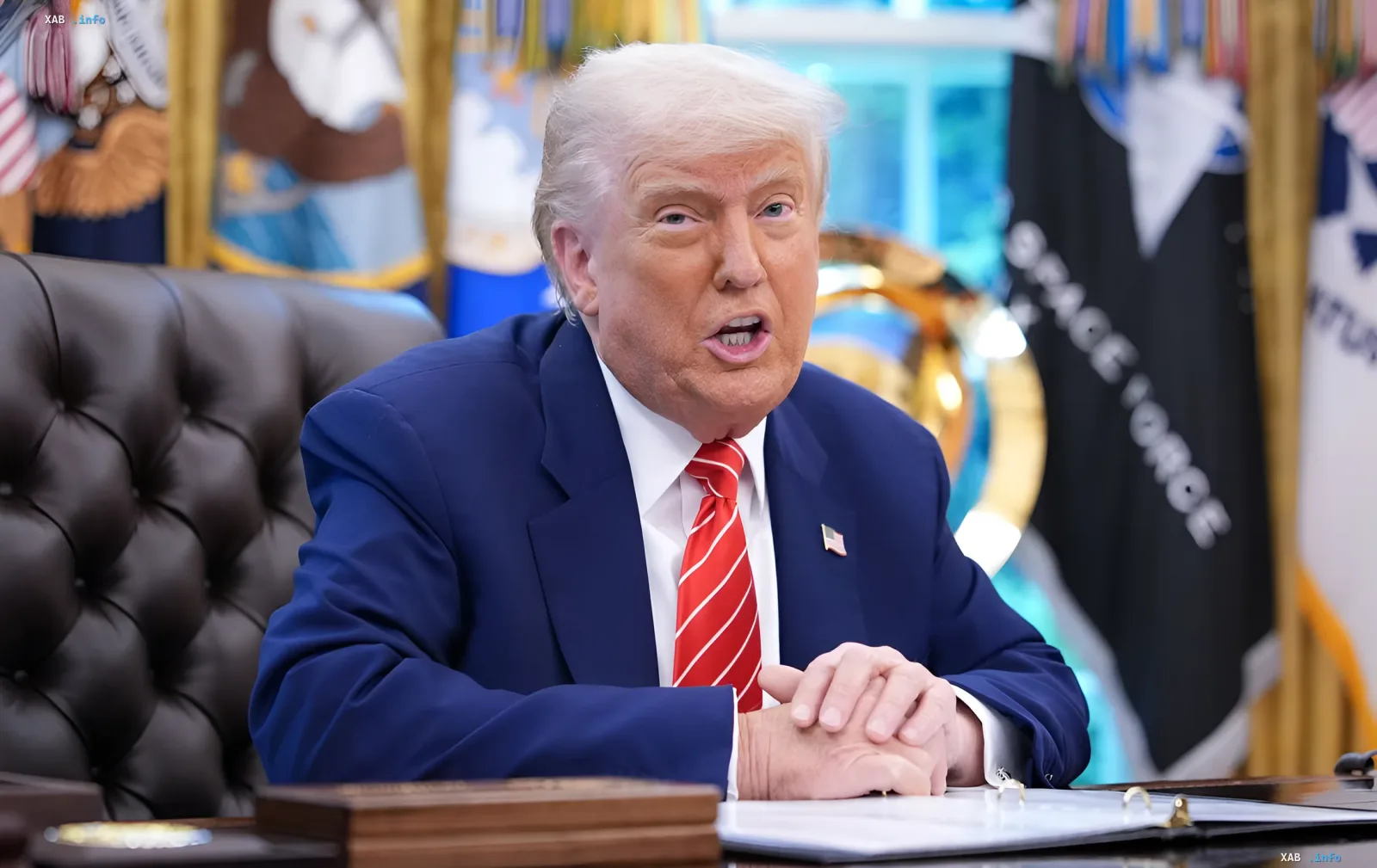
The situation surrounding the US military operation in Iran has taken an unexpected turn. President Donald Trump told reporters that the bombing of Iranian territory will soon cease. According to him, the decision to pause the strikes was made after high-ranking Iranian officials personally appealed to the American leader to stop the attack.
Conversation in the midst of the operation
Details of the incident were revealed by Fox News journalist Trey Yingst, who shared information from a conversation with the White House chief on air and on social media. Trump was in the situation room and personally directing the military strikes at the time of the phone call with the Iranian side.
"The President told me that this evening he spoke directly with Iranian officials who asked him to stop the bombing," Yingst wrote in his post.
"We will bomb them" if they don't sign the deal
At the time of the conversation with the journalist, the US had already launched 49 Tomahawk cruise missiles and was conducting airstrikes from fighter jets. Trump noted that one of the immediate targets was only 40 miles from Tehran. Despite the Iranian side's request, the US President issued a stern warning: the bombings would stop, but only if a deal is signed. Otherwise, according to Trump, "we will bomb them".
The head of state also called the current situation "the most frequently violated ceasefire in world history," highlighting the difficulty of trust between the parties.
Second wave of strikes and closure of the strait
Meanwhile, the situation on the ground remains tense. A CNN correspondent in Tehran reported the start of a second wave of strikes on Iran. This occurred on the night of June 11, after Trump stated on the afternoon of June 10 that Iran would "pay" for delaying negotiations.
In response to the resumption of attacks, Tehran announced the complete closure of the Strait of Hormuz. However, US Central Command denies information about the blockade of shipping, asserting that merchant vessels continue to move through the strategically important waterway.
Preconditions for escalation
The cause of the new wave of conflict was an event that occurred earlier on Monday: Iranian forces shot down an American AH-64 helicopter in the area of the Strait of Hormuz. On the night of June 10, the US launched retaliatory strikes on Iran. Iran also carried out a counter-attack, but shortly thereafter, both sides announced a ceasefire, although tension in the region remains at its peak.


