
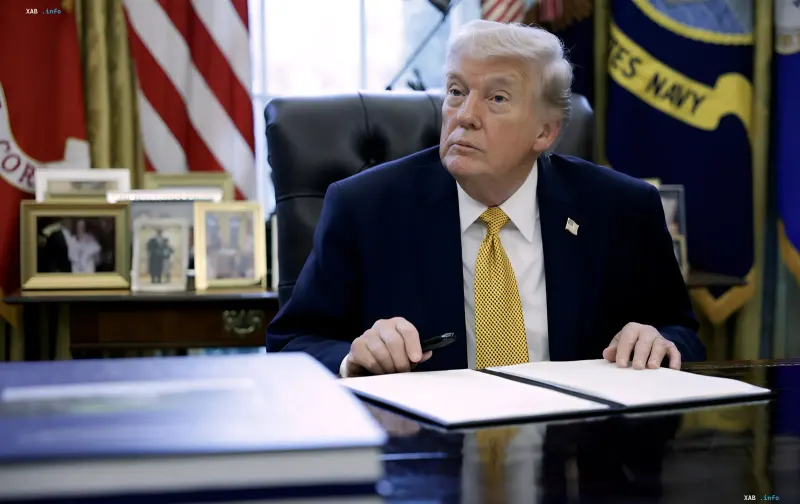
The political situation surrounding Iran's nuclear program remains extremely tense. Despite President Donald Trump's loud statements about a complete break in relations with Tehran, behind-the-scenes diplomatic channels continue to operate. The American leader's team is conducting covert negotiations aimed at reaching a final peace agreement.
Public Refusal vs. Real Actions
On July 8, Donald Trump officially announced the termination of the ceasefire with Iran and the cancellation of the previously signed memorandum of understanding. This decision followed a series of attacks by Iranian forces on merchant vessels in the region. On the same day, the US President stated: "I am no longer interested in negotiating with Iran." However, reality turned out to be more complex.
Technical Negotiations Never Stopped
According to an anonymous White House official, the US and Iran continue technical consultations on nuclear issues. These negotiations were not suspended either after Trump's statement at the NATO summit in Ankara or after the massive exchange of strikes between the parties. According to the insider, Washington still seeks a solution, and the key principle remains unchanged: "Iran will never be allowed to acquire nuclear weapons".
After the Strikes — A New Impetus for Dialogue
According to media reports, following the new strikes, Tehran re-established contact with Washington and proposed signing a new agreement. Trump is currently considering this proposal. At the same time, the US is preparing for a possible resumption of mutual attacks with Iran, particularly in the strategically vital Strait of Hormuz.
What's Next?
The situation remains uncertain. On one hand, there is harsh rhetoric and threats of escalation; on the other, there are covert diplomatic efforts. It is precisely this contrast between public statements and real actions that makes the current stage of negotiations particularly intriguing and dangerous at the same time.


