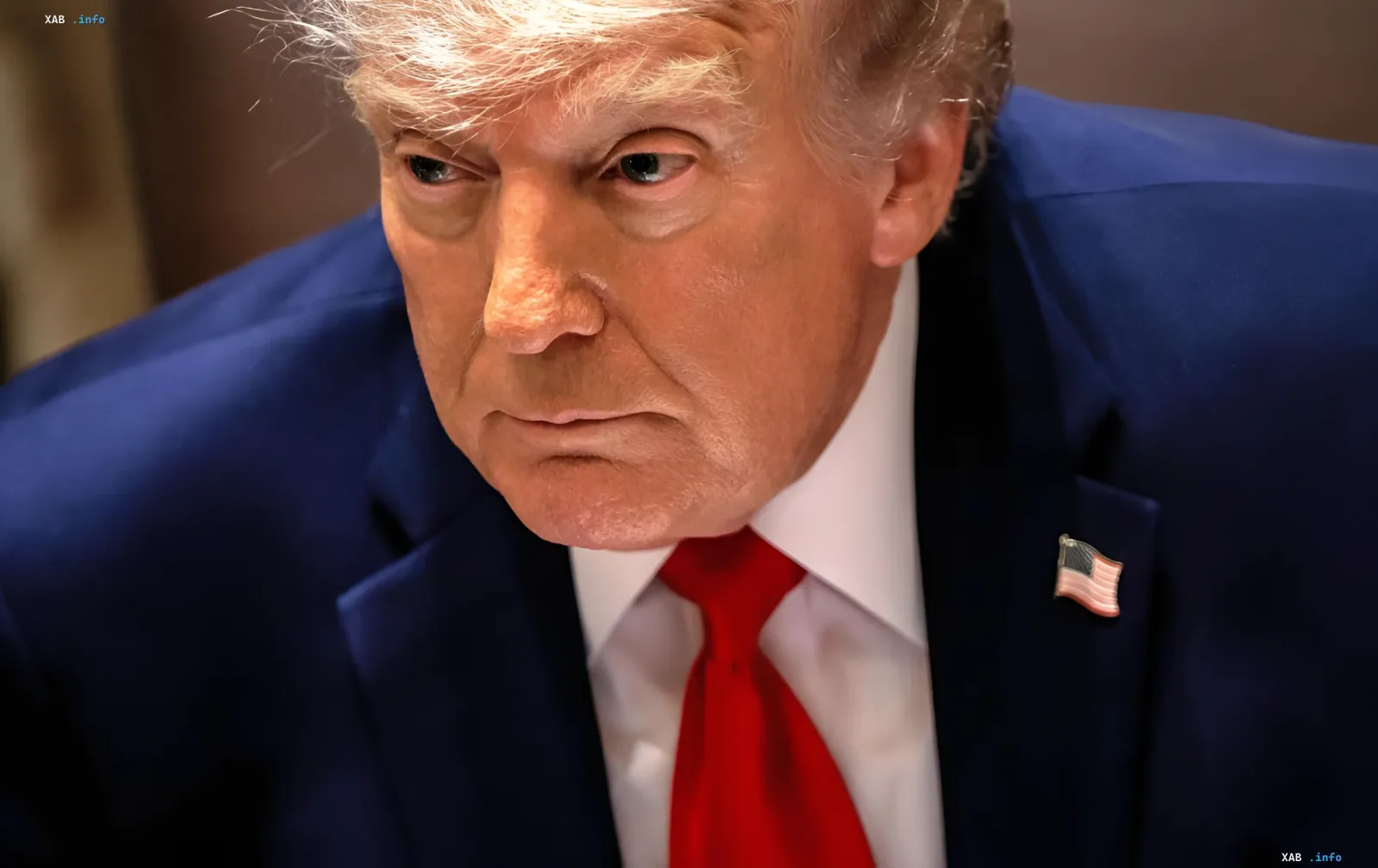
On June 14, 2026, a diplomatic storm erupted in Washington. Incumbent US President Donald Trump launched unprecedented criticism against Israel, attempting to urgently salvage the deal with Iran following an IDF airstrike on Beirut. His statement aims to counter the ultimatum issued by Iranian Parliament Speaker Galibaf and bring Tehran back to the negotiating table.
The US President effectively accused the Israeli leadership of disproportionate actions, calling the attack a response to a "minor threat." The main points of Trump's emergency statement:
Criticism of Israel
Trump stated directly that the attack on Dahiyeh "should not have happened," especially at a time when the parties were approaching the final stage of historic negotiations.
Threat of collapse
The White House officially acknowledges that the deal is under threat and is demanding that Benjamin Netanyahu immediately freeze any military operations in Lebanon.
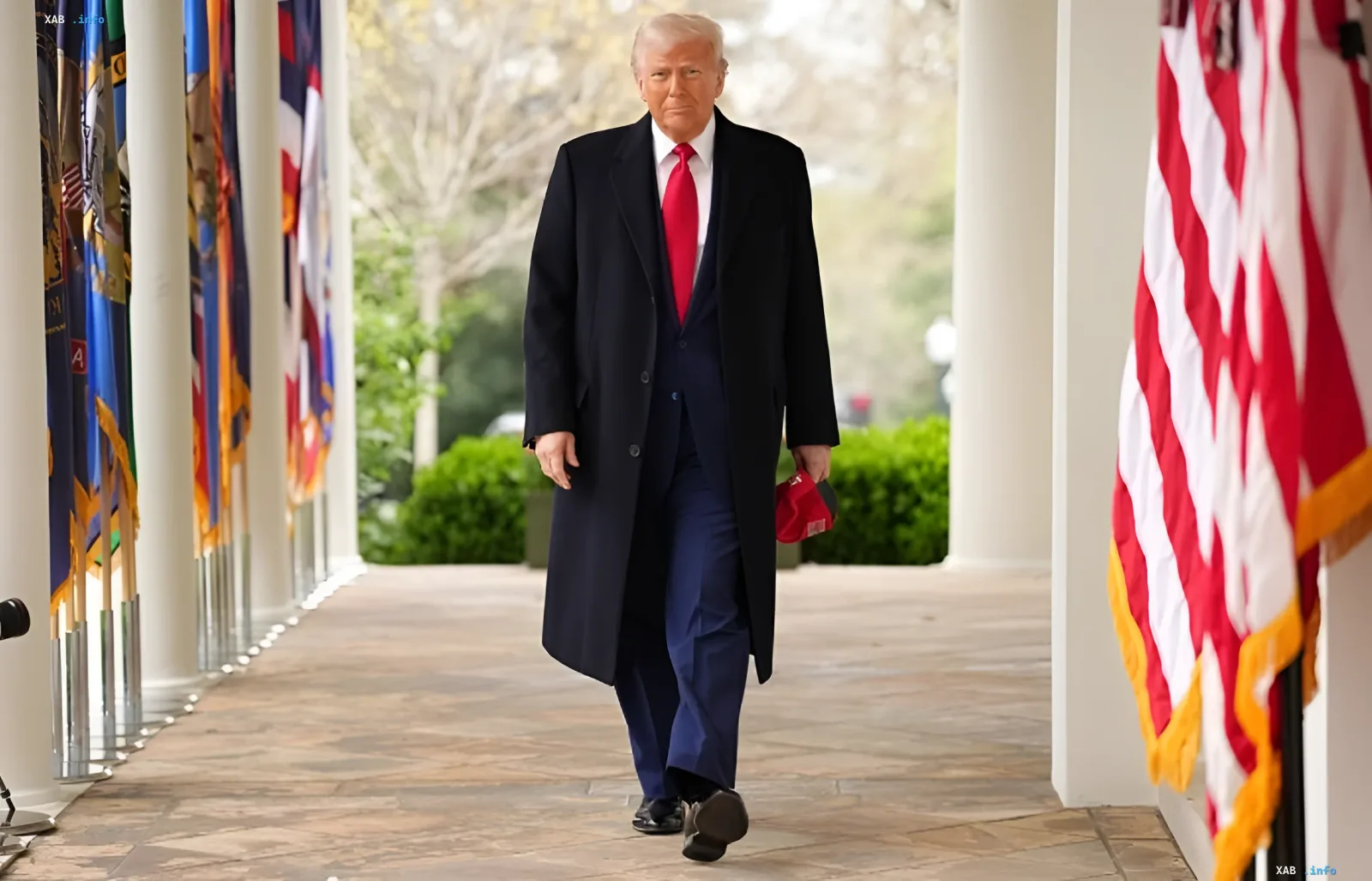
Call to "Hezbollah" and Iran
Trump is attempting to maintain balance by demanding a mutual ceasefire — Israel stops strikes on Lebanon, and pro-Iranian forces cease shelling Israeli territory.
Situation in the commodity market: new wave of volatility
The oil market reacted instantly to Trump's attempt to revive the agreement. After the statement by Iranian Speaker Galibaf pushed Brent prices above $91.5, Trump's new words returned an element of uncertainty to the exchange:
Chaos in trading
The price per barrel settled in the range of $89.8–$90.2. Traders are unsure whose position will prevail — Iran's hard refusal or Washington's diplomatic pressure on Israel.
Peak of speculation
Right now, there is massive profit-taking on commodity exchanges. Major players who shorted oil in the morning on the drop, and then timely switched to long positions on Iran's statement, are recording record intraday returns.
The market is frozen in anticipation of an official response from the Supreme Leader of Iran or a reaction from Netanyahu's cabinet.


