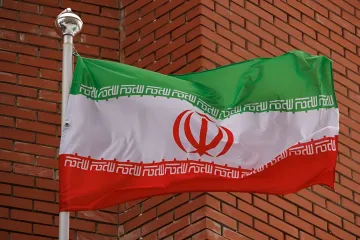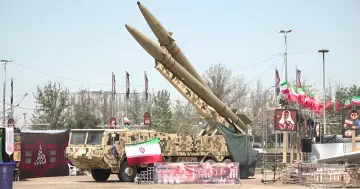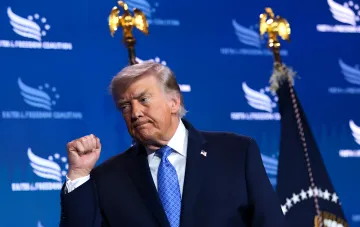
The situation in the Middle East has reached a critical point as US President Donald Trump made a decision that could alter the course of the current escalation. After 13 days of continuous attacks on Iranian territory, the White House issued an order to cease the strikes. This decision marks a strategic shift: from military confrontation to an attempt at diplomatic resolution.
From Daily Strikes to Silence
Over the past two weeks, a clear pattern of interaction between the administration and the military department emerged. Every day after lunch, Trump reviewed plans prepared by the command and gave them the "green light." Strikes were carried out within a few hours of approval, delivering precision blows to targets in Iran.
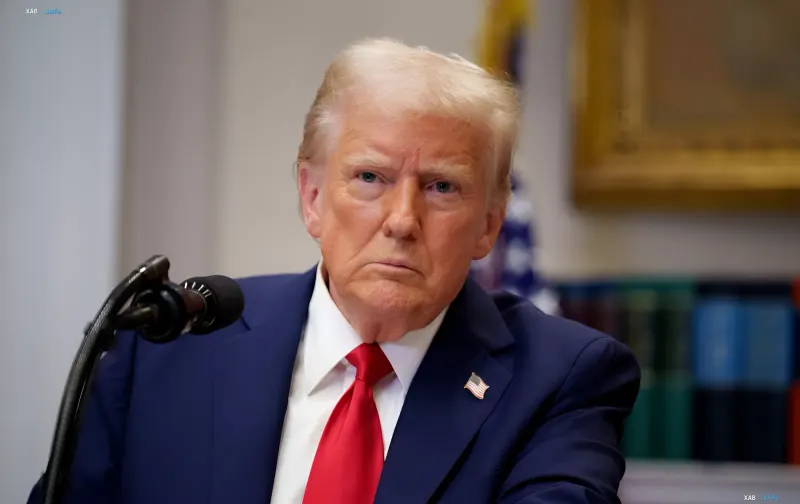
However, on Friday, July 24, this cycle was interrupted. Upon receiving another attack plan, the President did not grant permission for its execution. Instead, he issued a direct order to the military not to launch strikes. This decision was made on the same day Trump spoke with journalists at the White House.
"Liquidation of Everything" or a "Deal of the Century"?
In his conversation with the press, the US leader did not hide that he still has the option not only to continue the campaign but to radically escalate the situation, up to the "liquidation of everything" Iran possesses. Nevertheless, Trump stated that he considers concluding a deal to be the more reasonable strategy.
"We are currently negotiating with the Iranians. I think their intentions are becoming more serious with each passing day. We are ready for a fight, but we are negotiating with them," the President emphasized.
That same evening, during a dinner with the White House press pool — an event that had been disrupted by gunfire a few months ago — Trump clarified his position. According to him, Iran is not yet ready for a full-fledged deal, but Washington is willing to hear proposals.
Omani Diplomacy and Anxiety in Israel
Trump's decision to cease fire coincided with a significant diplomatic event. A few hours before the order, a delegation from Oman arrived in Tehran to negotiate a new regime for opening the Strait of Hormuz. Sources report that progress in these negotiations could be achieved over the weekend. Now, Trump faces the task of deciding whether to accept the proposed deal.
While diplomatic games were underway in Washington and Tehran, an atmosphere of anxiety prevailed in Israel. The Ministry of Security and the Israel Defense Forces expected another round of American strikes on Friday. In Jerusalem, preparations were even made for the possibility that a massive US attack could provoke a retaliatory strike on Israeli territory.
The Israeli cabinet and military were uncertain about US actions, so they remained on high alert for a large-scale bombardment. However, on Friday evening, Israelis received notification: Trump did not approve new strikes.
Uncertainty of Tomorrow
For now, it remains unclear whether Trump's order is a one-off act or if the "calm" will last longer. Sources confirm that US military forces are still preparing plans for a possible resumption of major hostilities. The US Army is capable of mobilizing quickly if the President issues the corresponding order. For now, Trump has not given instructions to move in that direction, betting instead on diplomatic channels.