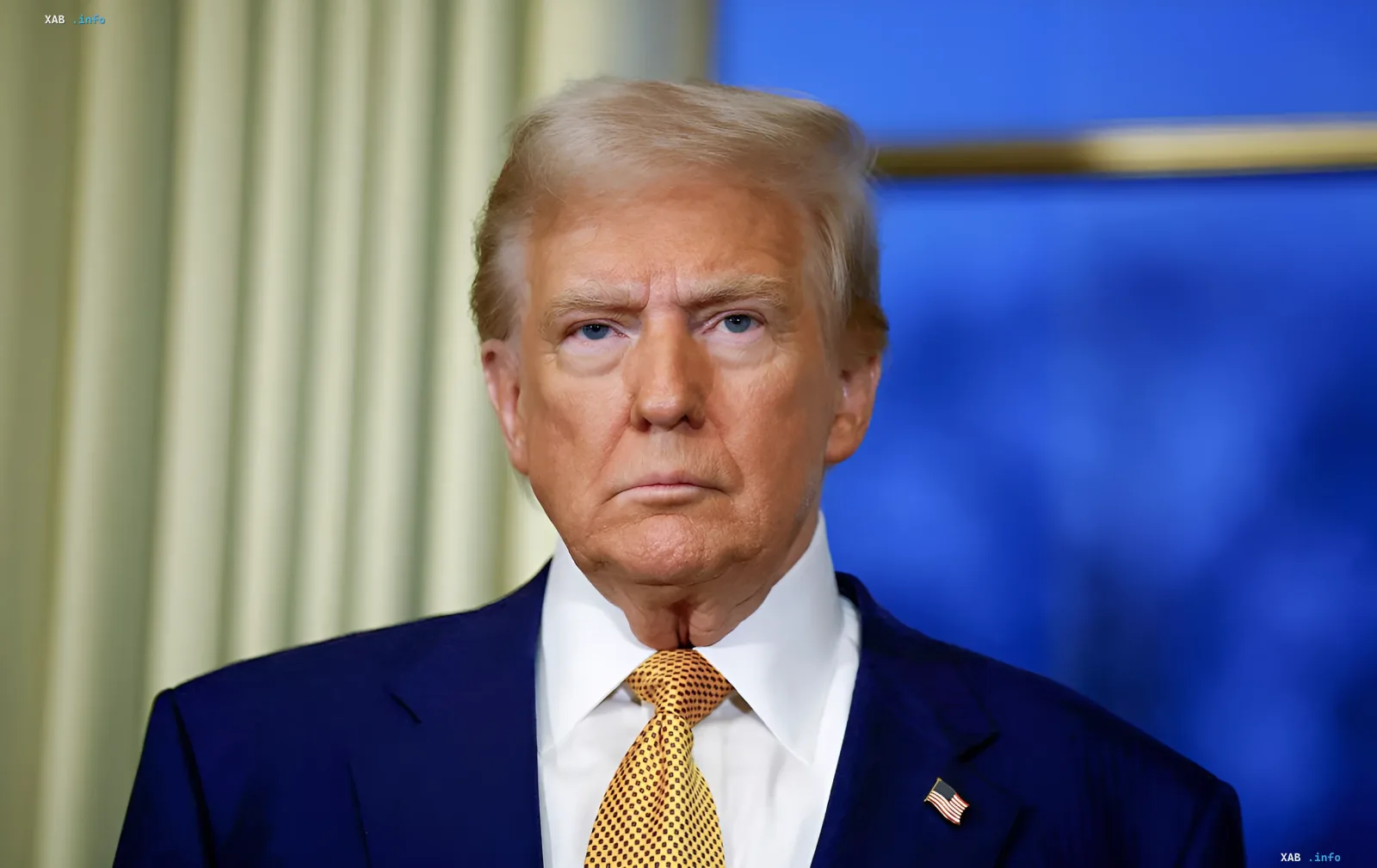
US President Donald Trump has outlined tough conditions regarding the future of relations with Iran. Despite recent statements about reaching peaceful agreements, the American leader made it clear that the current memorandum of understanding is not a final document.
Threat of resuming military action
In his speech, Trump stated directly that the decision on further actions depends solely on his assessment of the situation. 'If I don't like it, if they don't behave properly, we will immediately go back to dropping bombs right on their heads,' the president warned.
The American leader justified his position with historical context, noting that Tehran has 'behaved badly for 47 years.' Thus, Trump cast doubt on the stability of the achieved ceasefire, reserving the right to immediately escalate the conflict.
Debunking rumors of funding
In addition to military threats, Trump commented on reports circulating in the media about financial aid to Iran. He categorically refuted information about the creation of a $300 billion fund for Iran.
'The US will not invest even 10 cents in this country,' the president emphasized, debunking rumors of large-scale economic injections into Tehran.
Agreement details and allies' stance
Recall that on June 14, Trump announced the achievement of peace agreements. The memorandum provides for the resumption of free shipping through the Strait of Hormuz and the cessation of the US naval blockade of Iranian ports. The official signing of the document is scheduled for June 19 in Geneva.
According to Trump, discussions on the Iranian nuclear program will begin only after the legal formalization of the ceasefire regime. However, the president warned that military strikes could resume if the parties do not reach a final agreement on the nuclear issue.
Particular attention was drawn to the reaction of key allies. CNN reported that Israel requested access to the text of the agreement but was denied. Thus, Tel Aviv, a strategic partner of Washington, has not yet been briefed on the details of the document, which could radically change the situation in the Middle East.


