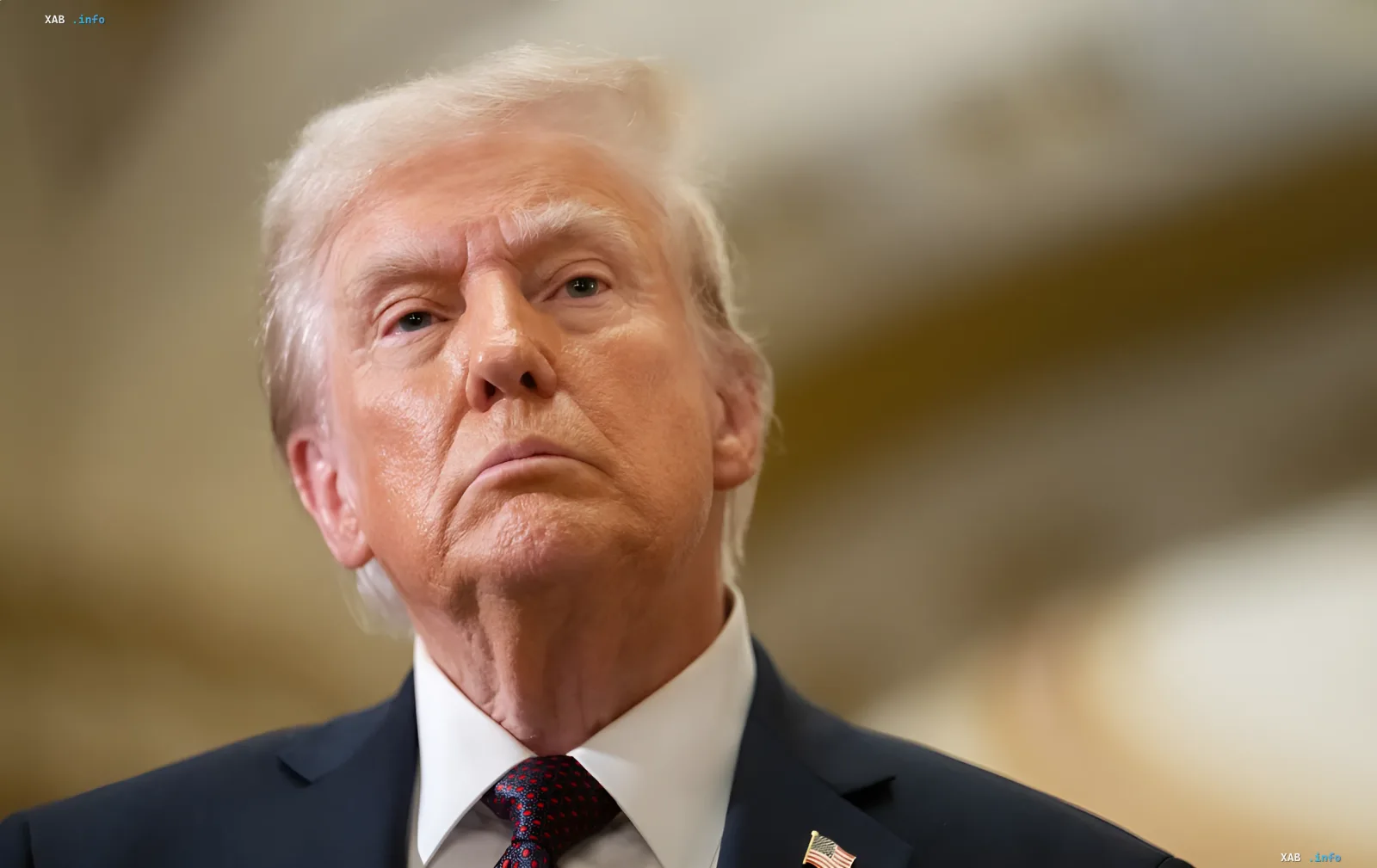
A diplomatic storm is brewing in Washington. US President Donald Trump, at the center of global media attention, has made unprecedentedly stern comments regarding the prospects of an agreement with Iran and Israel's role in the process. In a conversation with the Financial Times, the White House chief left no doubt as to who is the main architect of foreign policy in the region.
"He Will Have No Choice": Trump Cuts Off Netanyahu's Maneuvering Room
The question of whether the Israeli leadership could block a potential deal between the US and Tehran has received a clear and categorical answer. Trump stated that Israeli Prime Minister Benjamin Netanyahu does not have veto power over Washington's decisions.
"He will have no choice. I make the decision. I make all the decisions. He does not," emphasized the American leader. These words sounded like a direct warning to allies: in matters of strategic partnership with Iran, the US President's word is final.
The situation has intensified against the backdrop of escalating tensions. Today, in June 2026, Iran launched a missile strike on Israel for the first time since April. Two ballistic missiles fired towards the north of the country were intercepted by air defense systems. Despite this serious violation of the ceasefire, Trump assured that the incident would not be an obstacle to negotiations.
Instructions on Deterrence: Ban on Retaliatory Strikes
In an interview with Fox News, the US President revealed details of his directives to Tel Aviv. Trump reported that he personally instructed Netanyahu to refrain from retaliatory strikes against Iran. This decision was made despite statements by Israeli military officials about readiness for an immediate response to provocations.
"The deal can happen on its own — or not, but this will not affect it," noted Trump, demonstrating confidence that the diplomatic process can be separated from current military incidents.
Two Scenarios: Diplomacy or Blockade
The tone of the President's statements has become less optimistic regarding the imminent signing of papers compared to previous comments. "I think negotiations are continuing. We'll see what happens," he added, acknowledging the complexity of the process.
At the same time, Trump did not rule out a military scenario if diplomacy fails. He outlined two possible paths for the development of events:
- Military intervention: "Either we go in and deal with the rest of what we didn't do by military means".
- Economic pressure: "Or simply maintain the blockade of Iran — it is probably more powerful than any strike".
At the moment, Tehran has suspended negotiations with the US, citing the continuation of Israeli strikes on Lebanon. Iranian leadership stated that they would return to the negotiating table only after the cessation of Israeli military activity. However, the hardline position of Washington, expressed by Trump, indicates that the US intends to advance its interests in the region based on its own decisions, rather than coordination with partners.


