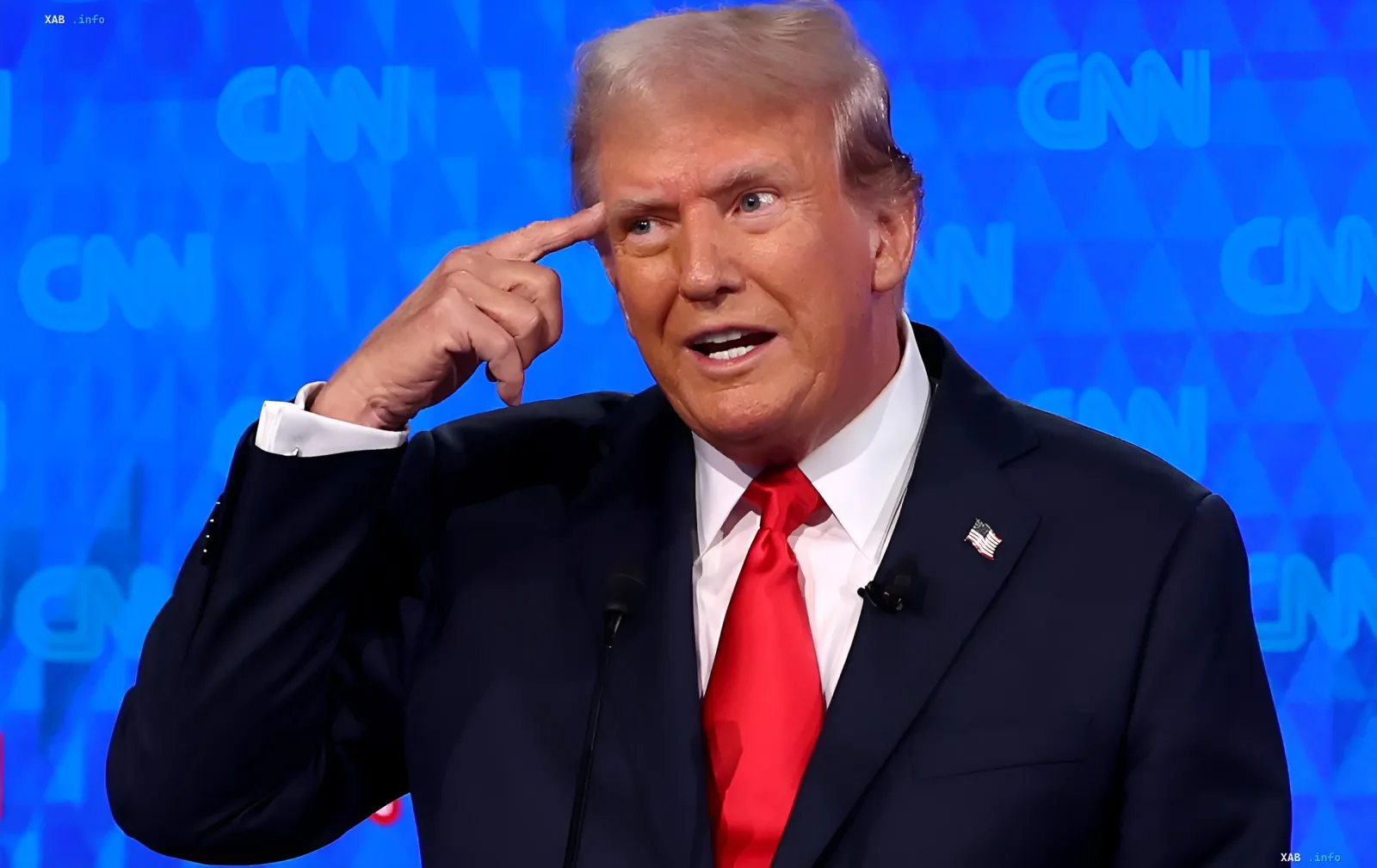
A major scandal erupted in Wisconsin, instantly making headlines in media outlets worldwide. US President Donald Trump abruptly cut short an interview with NBC News, unable to withstand the pressure from the host. The conflict was triggered by a question regarding alleged fraud in the 2020 presidential election.
"I'm done": how the meeting failed
The filming took place in Wisconsin. Host Kristen Welker attempted to get comments from the politician, emphasizing that he had no evidence to support his claims of widespread election irregularities. This moment proved to be the turning point.
Trump sharply changed the tone of the conversation, accusing the journalist of bias. "You are a one-sided, fraudulent network! Let's stop this, because I'm done! Thanks, dear, have a nice time!" he exclaimed, effectively declaring the conversation over.
The host tried to keep the situation under control, asking the politician to stay and finish the interview. She reminded him that she had traveled a long way for this meeting. However, Trump remained unyielding, stating that he had already provided enough time. He also mentioned that the filming had partially taken place in the rain, which, in his opinion, was an additional factor for wrapping up work.
Consequences: from military circles to the economy
This incident occurred against the backdrop of other high-profile events. Earlier, statements by the American leader had sparked a significant reaction in military circles. Trump's sudden decisions regarding troops in Europe cost millions of dollars and provoked concern among the defense departments of allies due to the cancellation of rotations.
The situation requires the Pentagon to review its current contingent policy, which threatens to undermine the morale of the soldiers. Meanwhile, the head of the White House is pushing for major economic changes within the country.
It was reported that Trump wants to make Americans co-owners of AI giants. His plan involves engaging citizens in profiting from the rapid development of the technology sector through partial state participation.


