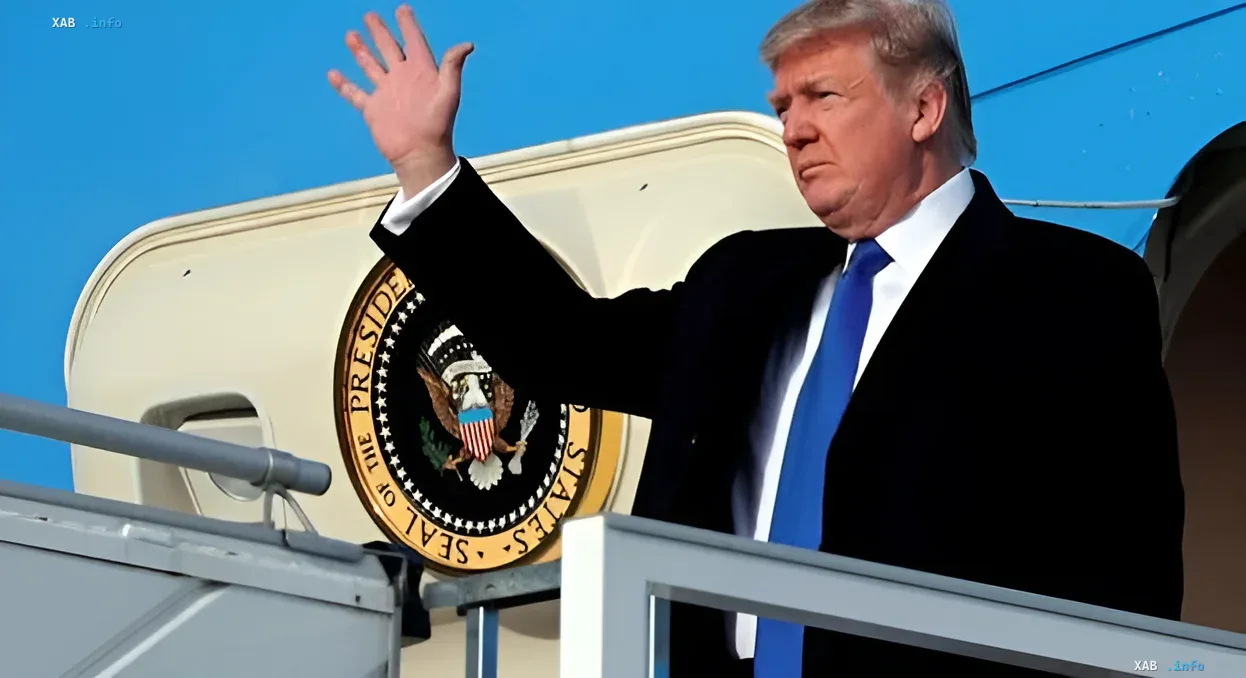
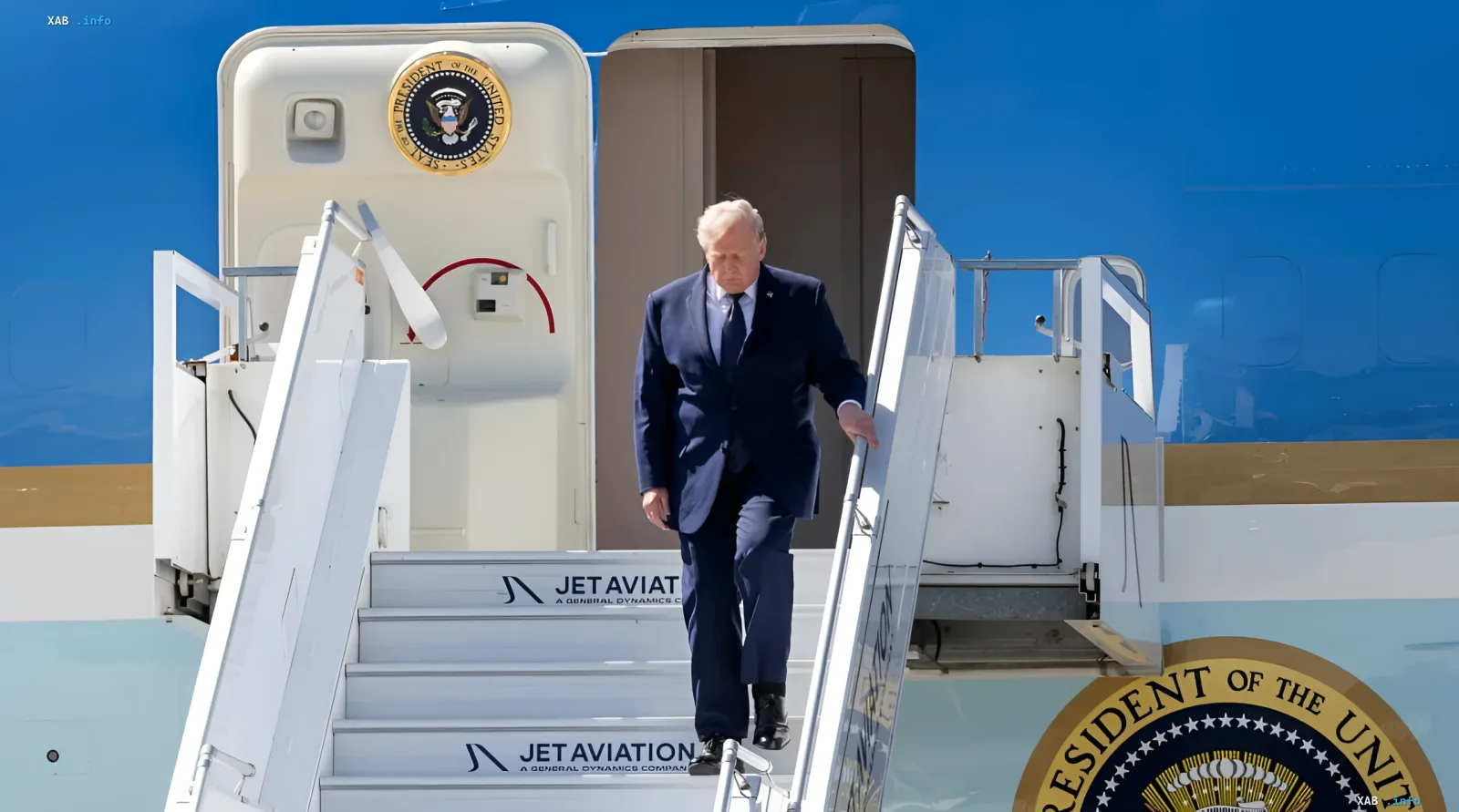
On June 15, 2026, Geneva Airport became the focal point of global diplomacy. It was here, at the Swiss transport hub, that US President Donald Trump landed. His arrival around 4:00 PM local time marked the start of one of the year's most significant events — the 52nd summit of the "Group of Seven" (G7), which will take place in the French resort town of Évian-les-Bains.
The logistics of the meeting were organized with the highest security measures in mind. Trump did not waste time on ground transfer: right on the runway, he transferred to a US military helicopter, which took him to the shore of Lake Geneva. This same route was chosen by other key figures. In particular, Ukrainian President Volodymyr Zelensky arrived at the summit via Geneva. Unlike previous years, his flight departed not from Poland, but from Chișinău, which became part of an enhanced security protocol.
The summit, lasting from June 15 to 17, opened in an atmosphere of unprecedented tension. The arrival of leaders was accompanied not only by increased security but also by serious unrest in Geneva itself. The day before, mass demonstrations by anti-globalists and eco-activists took place in the city. About 20,000 participants in the rally turned into riots, forcing the police to use tear gas and water cannons to disperse the demonstrators.
The agenda of the G7 leaders' meeting was overloaded with three most pressing issues, the resolution of which could change the geopolitical landscape in the coming years. First on the list is the Iranian issue. The focus is on discussing the final peace treaty between Washington and Tehran. The main goal of the document is the complete unblocking of the Strait of Hormuz. If the negotiations are successful, the signing of the agreement is scheduled for Friday, June 19.
The second block of discussions is dedicated to the war in Ukraine. Volodymyr Zelensky took part in a working session on Tuesday and publicly proposed a meeting with Vladimir Putin on the sidelines of the summit in Évian. However, the White House immediately clarified the situation: no separate bilateral meeting between Trump and Zelensky behind closed doors is planned. Leaders will look for ways to end the conflict within the framework of general negotiations.
The third, and no less important point, is trade disputes between the US and the European Union. French President Emmanuel Macron announced a "tough but respectful" conversation with Donald Trump. The conflict flared up against the backdrop of threats by the American leader to impose 100% tariffs on French wine. The reason was Paris's position, which refuses to cancel the tax on US tech giants. The outcome of this diplomatic duel may determine the future of transatlantic trade.


