
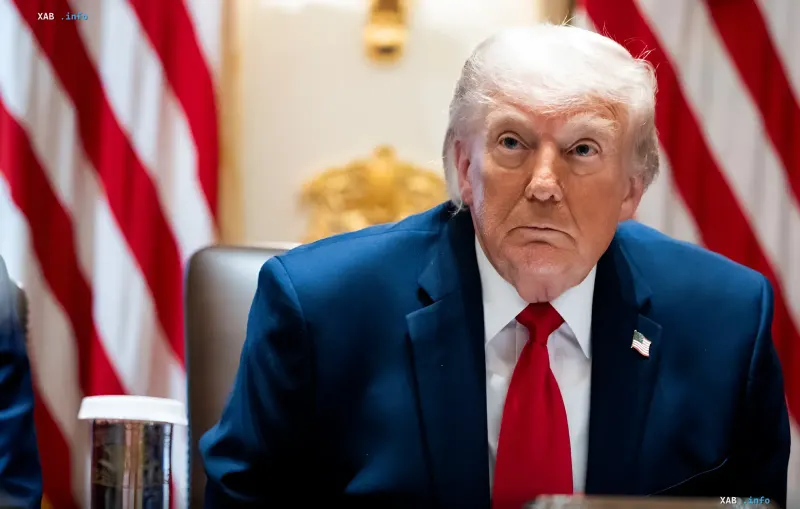
There is growing serious disappointment within Donald Trump's administration regarding the current dynamics of international events. According to The New York Times, the US President's team is "tired" of the protracted and, in their view, ineffective negotiations to resolve the conflict in Ukraine. The situation is exacerbated by the fact that the President, accustomed to quick military and diplomatic victories, has found himself in a difficult position on the international stage.
A key factor influencing the White House's cooling interest is the shift in Trump's own rhetoric. If he previously actively promised a swift end to the war, he now rarely mentions these promises. Instead, the administration has encountered the reality that their approach to diplomacy is not finding a response from their opponents.
The situation is complicated by Moscow's position. According to sources, Russian authorities have made it unambiguous that they are tired of episodic visits by special envoys, such as Witkoff and Kushner. The Kremlin insists on the need for a stable diplomatic process and is also raising the issue of appointing a permanent US ambassador to Russia.
Experts cite the format of interaction itself as the main problem with the negotiations. The Trump administration relies on episodic phone calls and visits by special representatives, completely excluding the daily work of traditional diplomacy from the process. This approach, it seems, does not allow for a breakthrough in the dialogue.
Aside from the Ukrainian issue, Trump is facing serious challenges in other regions. Difficulties are mounting during the confrontation with Iran, as well as in resolving problems related to the Gaza Strip. The combination of these factors has led to the US President hitting a dead end, failing to realize his ambitions for a quick resolution of global conflicts.


