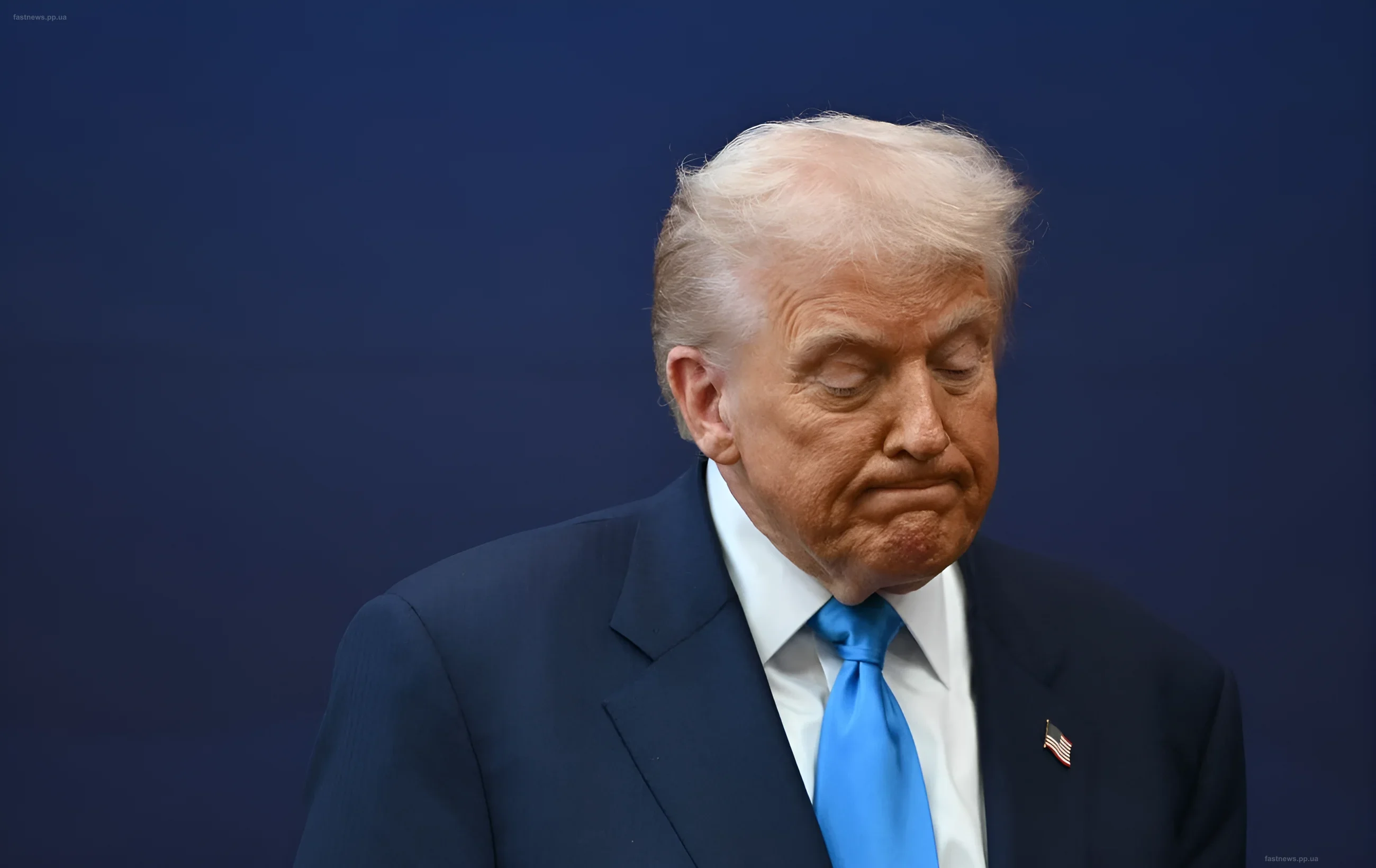
Donald Trump is facing an unprecedented crisis of confidence. According to the latest data from the authoritative publication The Economist, his net approval rating has fallen to minus 24%, marking the lowest figure for a sitting US president in the last 16 years. This decline is being tracked against regular monitoring that began back in 2009.
The negative trend is striking: in just one week, support for the country's leader dropped by another 1.9 percentage points. Today, only a third of Americans (34%) approve of the White House chief's actions, while 58% of citizens openly express dissatisfaction with his policies. The gap between supporters and opponents has reached its widest point throughout his presidency.
Economy and Geopolitics: A Double Blow
Analysts highlight two fundamental factors that have crashed Trump's popularity. First is the economic agenda: citizens are disappointed with the state of the economy and how the administration is handling financial challenges. The second blow came from foreign policy — the escalation of the conflict with Iran has triggered a wave of negativity in society.
A particularly alarming signal for the president's inner circle is the geography of dissatisfaction. The wave of criticism has even swept over the states that secured his victory in the 2024 elections. This indicates that Trump is losing trust not only among political opponents but also among a portion of his traditional electorate.
Isolation at Home and Abroad
The situation is exacerbated by the fact that the rating decline began immediately after he took office in January 2025. At that time, 47% of citizens expressed support for Trump, but since then, the curve of confidence has only been falling. Reuters poll data confirms: the cause of the crisis lies not in the actions of Democrats, but in the mistakes of his own party.
Problems are not limited to the internal borders of the USA. In Europe, trust in the American leader is also at zero. Almost half of Europeans (48%) call Trump an enemy of the continent. The leaders of this antipathy are Belgium and France, where 62% and 57% of respondents respectively hold this view. Meanwhile, in Poland and Croatia, the level of negativity is significantly lower, standing at 19% and 37%.


