European public opinion is experiencing a deep crisis of trust towards the United States. According to a fresh study by the European Council on Foreign Relations (ECFR), conducted ahead of the G7 and NATO summits, the US has reached a historic low in being perceived as a security guarantor. The poll results record an unprecedented rift in transatlantic relations: only one in ten Europeans continues to view America as a full-fledged ally.
From Ally to Necessary Partner
The report authors emphasize that the data indicates a fundamental shift in the continent's geopolitical consciousness. Only 11% of respondents named the US an ally. Americans are now more often perceived as a "necessary partner," implying pragmatic cooperation devoid of ideological closeness and mutual aid guarantees.
In most countries, survey participants expressed serious doubt that Washington would come to the aid in the event of a direct military attack on their territory. In response to this uncertainty, there is a growing trust in other European states, which are seen as a more reliable pillar in security matters.
The Paradox of the Right and "European Weapons"
Interestingly, such a skeptical mood has been recorded even in countries where right-wing political forces are traditionally strong, such as France, Italy, the Netherlands, and Sweden. This indicates that distrust of the US has become a cross-party phenomenon, going beyond ordinary political rhetoric.
Against the backdrop of declining trust in American guarantees, there is a growing demand for defense autonomy. In most countries, respondents supported reducing dependence on military equipment from the US. Leaders of the "buy European" movement include Denmark, the Netherlands, Sweden, Portugal, France, and the UK.
Financial issues are also becoming a subject of discussion. On average, Europeans are 4% more likely to support additional defense funding than a year ago. A significant portion of respondents (47%) are ready to support the idea of joint EU borrowing to finance defense needs. However, the majority of citizens are not ready to cut social or other state expenditures to increase military budgets.
The Trump Factor and Prospects for Relations
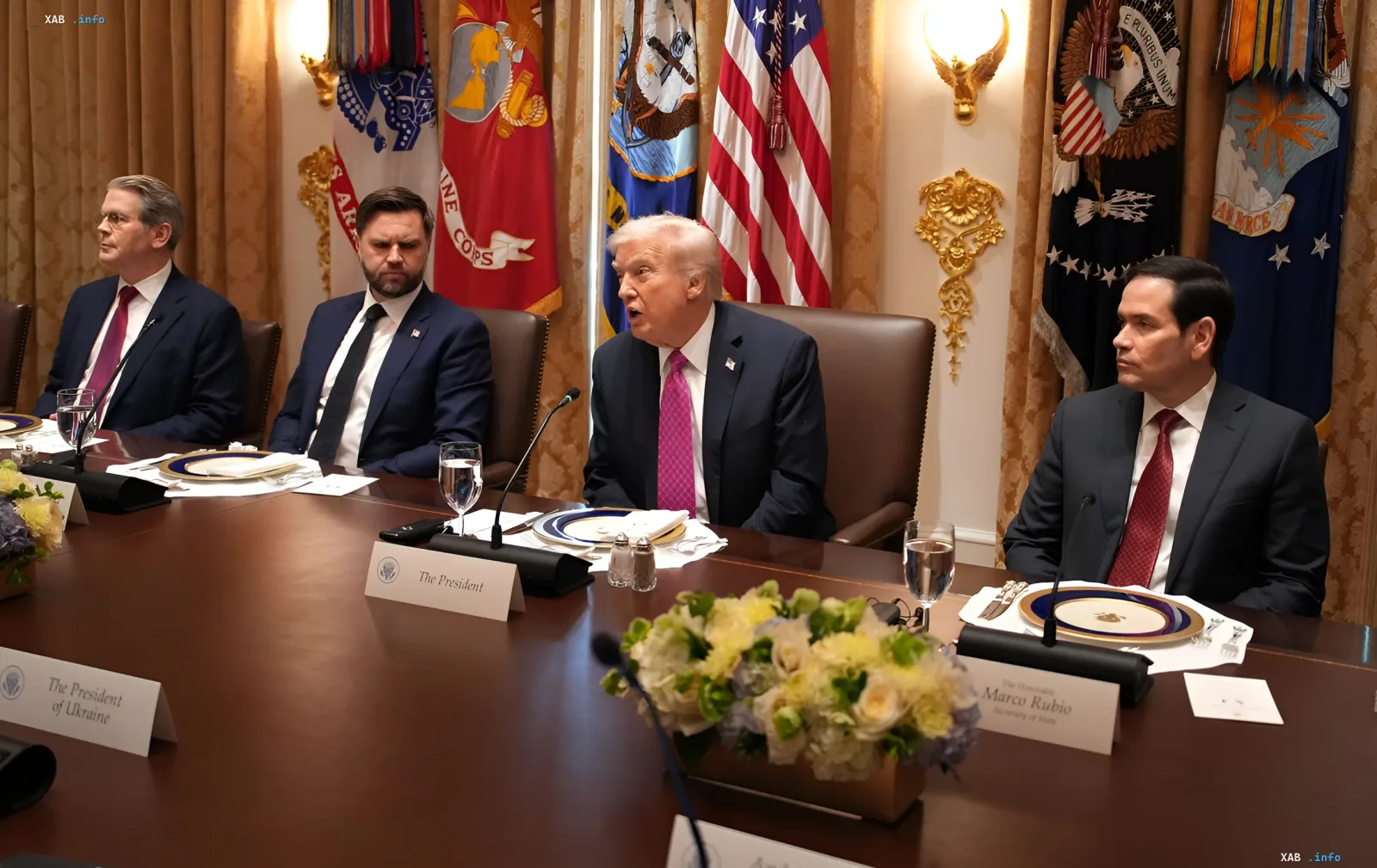
The political context plays a key role in shaping these sentiments. A previous poll showed that 48% of Europeans consider the current US President, Donald Trump, an "enemy of Europe." Data from The Economist confirms this trend: Trump's rating has fallen to its lowest level in the last 16 years, and he has become the least popular president in the country's modern history.
Nevertheless, there remains a degree of optimism regarding the future of transatlantic ties. The majority of respondents believe that relations between the US and Europe could improve after the end of Donald Trump's presidency, hoping for a change in Washington's foreign policy course.


