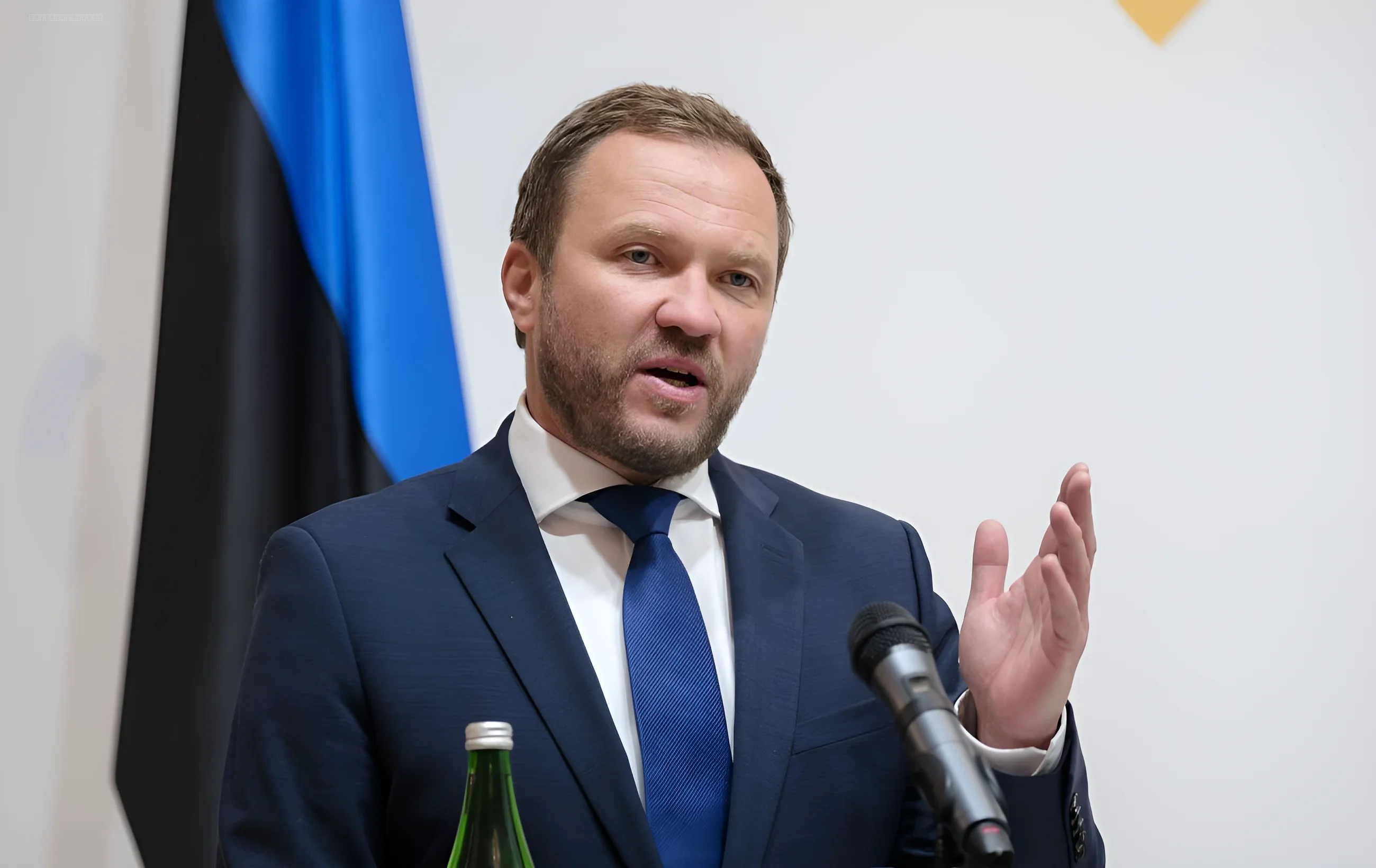
Estonian Foreign Minister Margus Tsaakna has exposed the true motives of the Kremlin, which is attempting to involve European countries in the peace process. According to him, this is not about a desire to stop the war, but rather a classic tactic of buying time.
These words were spoken on the air of the program Ukraina stuudio immediately after a meeting of NATO foreign ministers, which took place in Helsingborg, Sweden. Tsaakna noted that the atmosphere at the talks was constructive, as Russia has failed to achieve significant breakthroughs on the front in recent months.
Change of Strategy and US Withdrawal
The situation on the diplomatic field is changing. US Secretary of State Marco Rubio clearly outlined Washington's position: the US is stepping back from an active role in the peace process. Tsaakna confirmed this trend, stating that the negotiation format, which has lasted for over a year, has effectively exhausted itself. These long talks, in essence, served only as a tool for Putin, allowing him to buy time while Ukrainian cities were subjected to missile and drone strikes.
Sanctions as the Main Threat
Moscow's key goal right now is to involve Europe in the role of a mediator. Why? To stop the preparation of new, painful sanctions. Tsaakna emphasized that Ukrainians are already ironically calling these measures "long-range" and "deep," as the blows are being dealt directly to the Russian economy.
Specifically, the new package of measures being prepared by the EU includes a complete moratorium on maritime services throughout the Union. This is exactly what Putin fears, and this is exactly what he is trying to prevent through a diplomatic maneuver.
Strategic Patience
European foreign ministers have come to a unanimous conclusion: an emergency meeting with the head of the Kremlin will only weaken the West's position and will not benefit Ukraine. Tsaakna calls for maintaining strategic patience and increasing pressure. In his opinion, the Russian leader is not yet ready for real negotiations, but time is working against him.
The Estonian Foreign Intelligence Service, led by Kaupo Rosin, has reached similar conclusions. Experts believe that within a few months, Putin may lose the ability to dictate his terms. Next month, EU ministers will gather in Cyprus to discuss further steps and avoid falling into the trap of Kremlin diplomacy.


