
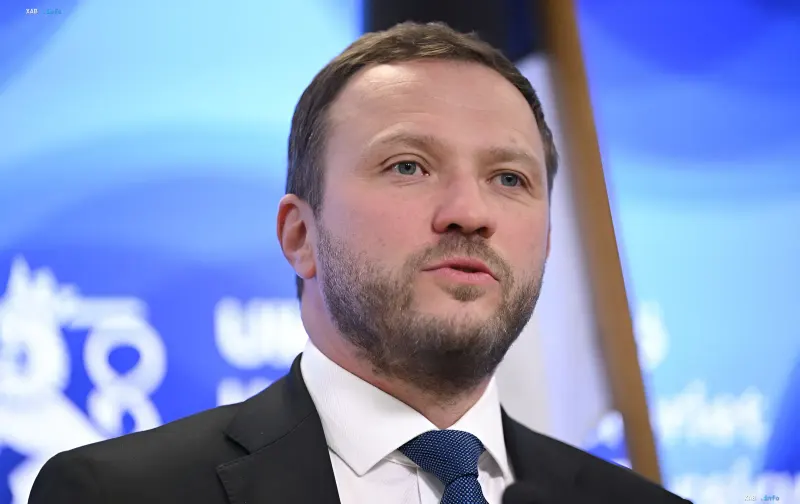
Estonian Foreign Minister Margus Tsahna has called on European Union countries to show "strategic patience" and increase pressure on Moscow. According to him, Russia is currently facing serious challenges due to Ukraine's long-range strikes, and a critical moment for the Kremlin is "approaching".
The path to negotiations through pressure
In a comment conveyed to Bloomberg, Tsahna emphasized that Tallinn cannot predict the exact date of the end of the conflict. However, given the scale of Russian military losses, the Estonian diplomat is confident that now is the time not to slacken the pace, but to be ready for any reactions from Moscow. He believes that it is precisely the intensification of pressure that could become the starting point for ending the war.
"Europe and Ukraine are one side. Greater pressure, greater support for Ukraine from Europe — and perhaps then the moment will come when Putin will be ready for negotiations, but that is not the case yet," the minister stated.
Tsahna also noted that he sees greater unity in Europe than he initially expected. This is happening despite Russia's attempts to "sow discord" and downplay the role of the EU, trying to present the bloc as a mediator rather than an ally of Kyiv.
Sanctions and the role of the US
The issue of sanctions remains a key tool. Tsahna admitted that the imposed restrictions are already yielding results, but the European goal has not yet been achieved. He added that the US joining this process is extremely important, however, the EU should take on greater initiative in sanctions policy.
Against the backdrop of these statements, EU countries have already supported an unprecedented decision: to extend economic sanctions against Russia for 12 months at once. Previously, such restrictions were extended for only six months.
21st package: new areas of restrictions
Brussels is not stopping at what has been achieved and is preparing to strengthen the restriction regime. The European Commission has published proposals for the 21st sanctions package. The document provides for additional measures against Russian companies and citizens, including bans on entry into EU countries.
New restrictions will affect several key sectors:
- The Russian financial system;
- Crypto asset operations;
- Trade activities;
- The fishing industry — for the first time, this sector will be subject to restrictions.
Thus, the Western course remains unchanged: pressure will grow until a real opportunity is created to begin negotiations on terms acceptable to Kyiv.


