
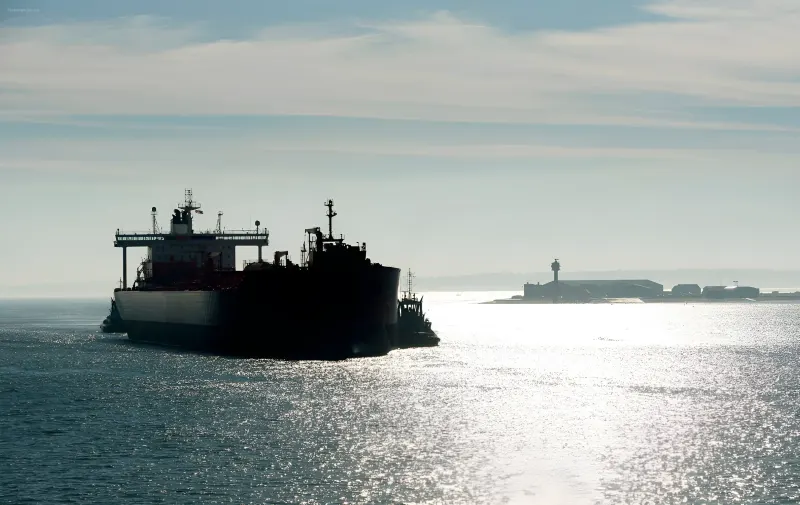
The Turkish raw materials market is undergoing a serious correction. In May, the country, traditionally one of the key buyers of Russian oil, plans to cut purchases of the Urals grade to the lowest levels in the last year and a half. This decision by Ankara signals deep changes in logistics and pricing in the global energy market.
The numbers speak for themselves
According to data from analytical agencies Kpler and LSEG, the volume of Russian oil imports into Turkey this month will be about 161,000 barrels per day. To understand the scale: at the beginning of the year, this figure stood at 189,000 barrels, and a year ago it reached 302,000. A drop of almost two times in a year is not just a statistical error, but the result of a conscious strategy.
Economics vs. Politics
The reason lies in simple arithmetic. Ankara was used to getting Russian raw materials at significant discounts. In conditions where prices are leveling out or rising, Turkish traders lose the incentive to buy. In addition, the geopolitical vector of suppliers has changed: Russia is actively redirecting flows to Asia, in particular to India, where demand and willingness to pay are higher.
The Caspian Maneuver
Turkey is not left without fuel. The reorientation strategy is already working: the shortage of Russian oil is being compensated by increasing imports of the CPC (Caspian Pipeline Consortium) blend. This grade, produced in the Caspian region, is supplied from both Russia and Kazakhstan, but for Ankara it becomes a more profitable alternative in current market conditions.
Sanctions background and new licenses
Against the backdrop of these events, a diplomatic struggle is unfolding. The UK, despite pressure, issued a license to import diesel and aviation kerosene from Russian oil produced in third countries. This decision, which surprised the European Commission and drew criticism in Kyiv, was dictated by the need to stabilize fuel prices after the closure of the Strait of Hormuz. Meanwhile, the US has extended the validity of a general license allowing vulnerable countries to access oil already in transit.


