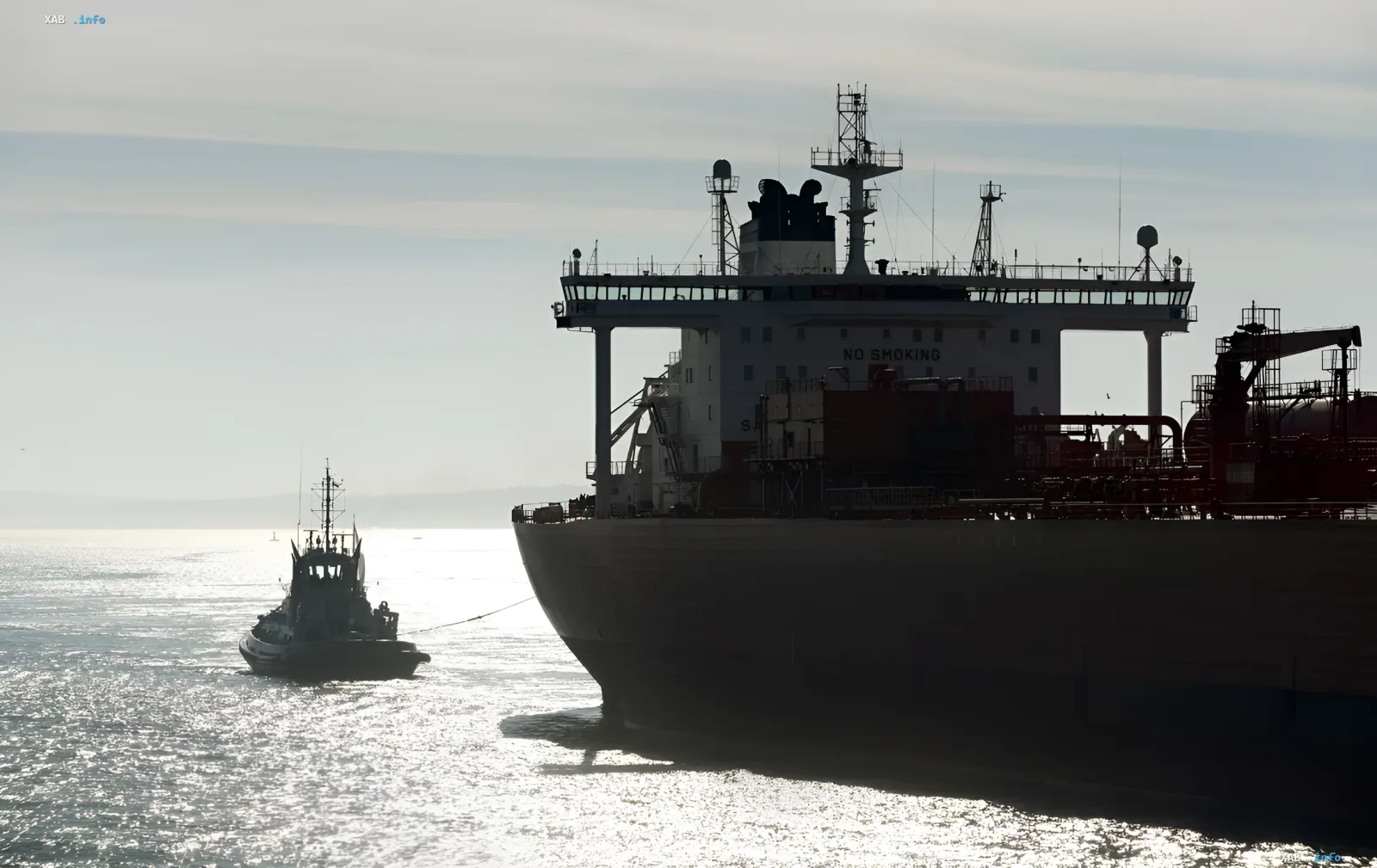
In August 2026, the global map of energy supplies is undergoing significant changes. Turkey, traditionally a major transit and refining hub, has sharply reduced its volumes of Russian oil purchases. According to analysts, in July the country received about 900,000 tons of raw materials from Russian ports, which is 25% less than June figures. Experts predict a further drop in volumes in August, linking this to the instability of exports through Black Sea terminals.
Impact of Ukrainian Attacks on Logistics
The main reason for the sharp decline in supplies has been systematic attacks by Ukrainian drones on Russian oil infrastructure. Since the beginning of August, strikes have been carried out on 10 out of 34 major Russian oil refineries, accounting for almost a third of the facilities. This has led to disruptions in the operation of key export hubs. In particular, shipments through the Caspian Pipeline Consortium (CPC) terminal decreased by 20%, and tanker loading in the port of Novorossiysk has become extremely unstable. Supplies through the Black Sea have halved — from 600,000 tons in June to 300,000 tons in July.
Diversification of Sources: Kazakhstan and Latin America
In response to logistical disruptions, Ankara has activated a policy of supplier diversification. Traders note that Turkey has begun redirecting raw material flows to compensate for the deficit in the Black Sea. In August, the arrival of two tankers with Kazakhstani KEBCO oil is expected. Moreover, the country plans to conduct rare imports from Brazil and Guyana. This indicates that Turkey is willing to incur additional logistical costs to ensure the stability of its refineries, abandoning hopes for uninterrupted supplies from Russia.
Geopolitical Risks and Shipping Safety
The situation is exacerbated by geopolitical tension. Turkey has repeatedly criticized attacks on tankers near its territorial waters, stating that such incidents create direct threats to shipping safety and regional trade. However, current statistics show that risks for the oil fleet in the Black Sea have become so high that Ankara is forced to review its logistics chains. It is expected that in August Turkey will receive only about 200,000 tons of oil from Russian Black Sea ports, with supplies of CPC Blend or Urals grades currently not scheduled.
Contradictory Data
There are discrepancies in the assessment of the long-term consequences of the current situation. On the one hand, data from LSEG and Bloomberg indicate the temporary nature of the disruptions caused by tactical strikes on specific refineries. On the other hand, analysts note that Turkey has already begun a long-term restructuring of logistics, attracting suppliers from the US and Kazakhstan, which may indicate a fundamental change in trade routes. While one side sees this as a temporary precautionary measure, the other views it as the beginning of the end of the era of Russian oil dominance in Turkish imports.