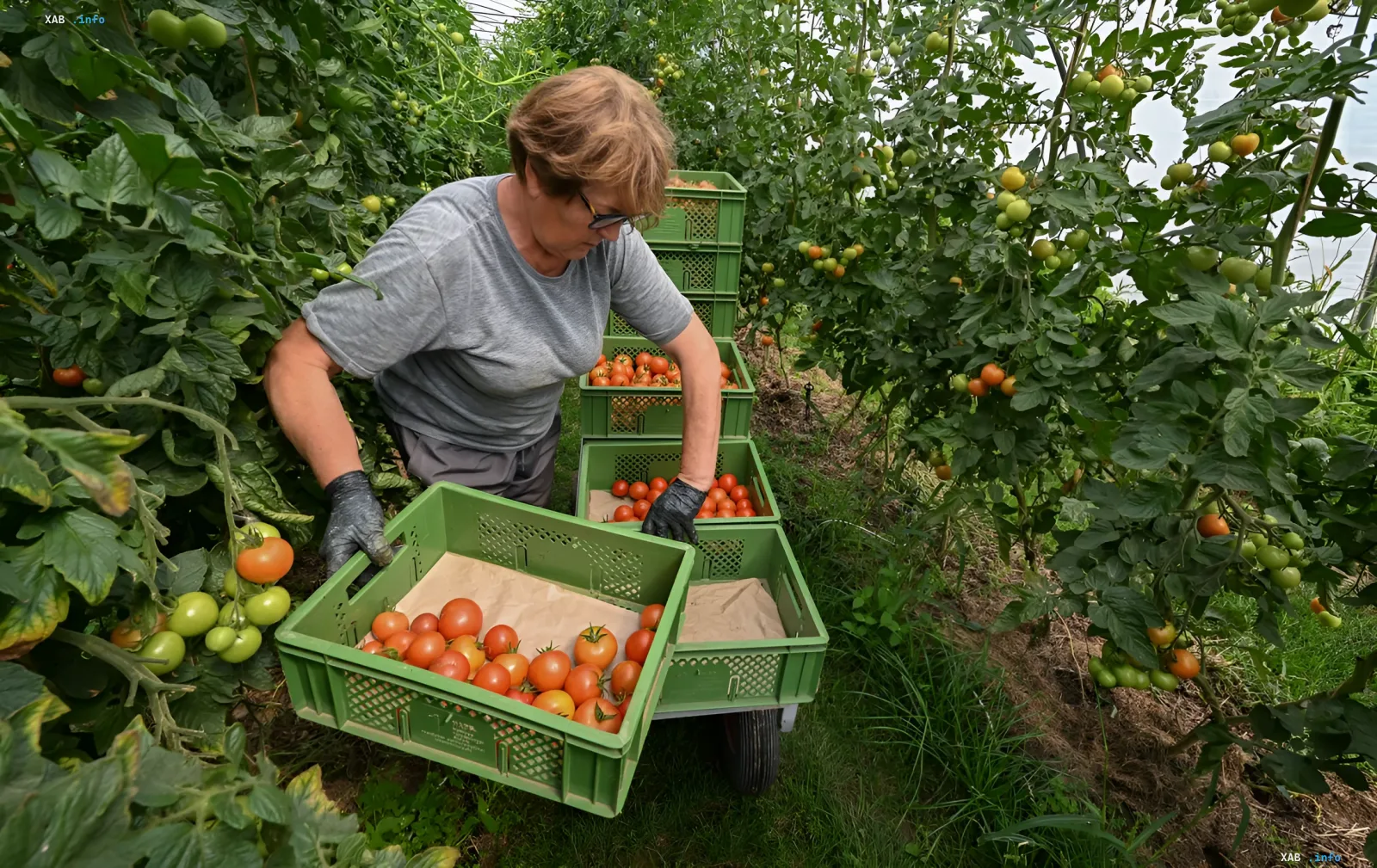
The Ukrainian fresh vegetable market is experiencing a serious identity crisis. If two decades ago Ukraine exported its tomatoes, today the country demonstrates a chronic trade dependence on imports. According to RBC-Ukraine, the share of domestic greenhouse vegetables on the internal market during the winter period does not exceed 10%. The remaining 90% of shelves are filled with foreign supplies, and leadership here is unconditionally held by Turkey.
Dominance of Turkish exports
Turkey has been supplying tomatoes to Ukraine for more than 20 years in a row. If previously its share was around 75%, in 2025 it rose to 82%. In the first months of 2026 (January–April), this figure amounted to 63% of the total current imports. The total volume of tomato imports in 2025 increased by 31% and reached 104,820 tons.
Tomatoes from the southern neighbor reliably cover the off-season period, winning against local producers in price, calibration, and logistics efficiency. As Daria Palaguta, Director of the Fresh Category Management Department at the VARUS retail chain, noted, vegetables from Turkey have a stable commercial appearance, which is critical for retail.
Economics of survival: why local greenhouses are losing
In Ukraine, tomatoes are actively grown in open ground from July to September. However, in winter and spring, the cost of local greenhouse vegetables makes them 'golden'. The producer is under pressure from high inflationary costs: tariffs for electricity, water, gas, as well as salary indexation.
The situation is exacerbated by regular shelling, which destroys distribution and generating energy facilities, warehouses, vegetable storage facilities, and terminals. Logistics is blocked, and the dilemma of personnel and mobilization remains unresolved.
"For greenhouse complexes and milk processing plants, electricity remains a headache — and in 2026 the tariff for transmission increased by another 8%," noted Maxim Gopka, an analyst at the Ukrainian Club of Agribusiness (UKAB).
The state machine vs. private business
Experts emphasize that the Ukrainian producer is forced to compete not just with a Turkish farmer, but with an entire state support machine. While Ukrainian business fights for physical survival, the Turkish farmer operates within a system of long-term state care.
Through the Turkish government agency for the development of small and medium-sized businesses, KOSGEB, and the Ministry of Trade, producers receive grants for the implementation of new technologies, energy efficiency, and product certification. This deepens structural inequality. Ukraine, joining the World Trade Organization (WTO) in 2008, took on strict obligations, while Turkey actively resorts to trade protection measures, regularly initiating investigations against imports.
Paths to a solution: from raw materials to processing
Currently, Ukrainian producers need not passive protection, but systematic support and long-term sales contracts. Anti-dumping duties are already in effect; the government has allocated 220 million hryvnias for vegetable storage, greenhouses, and processing grants. The 'e-Robota' and 'National Cashback' programs for vegetables have been launched.
However, experts believe that this is insufficient without a new market model. The key to the development of the industry is the transition from selling raw materials to deep processing and products with high added value. The future of greenhouse vegetable growing is determined not by the amount of subsidies, but by the creation of canned goods, frozen products, and functional ingredients, which provide a higher margin and open up export markets.


