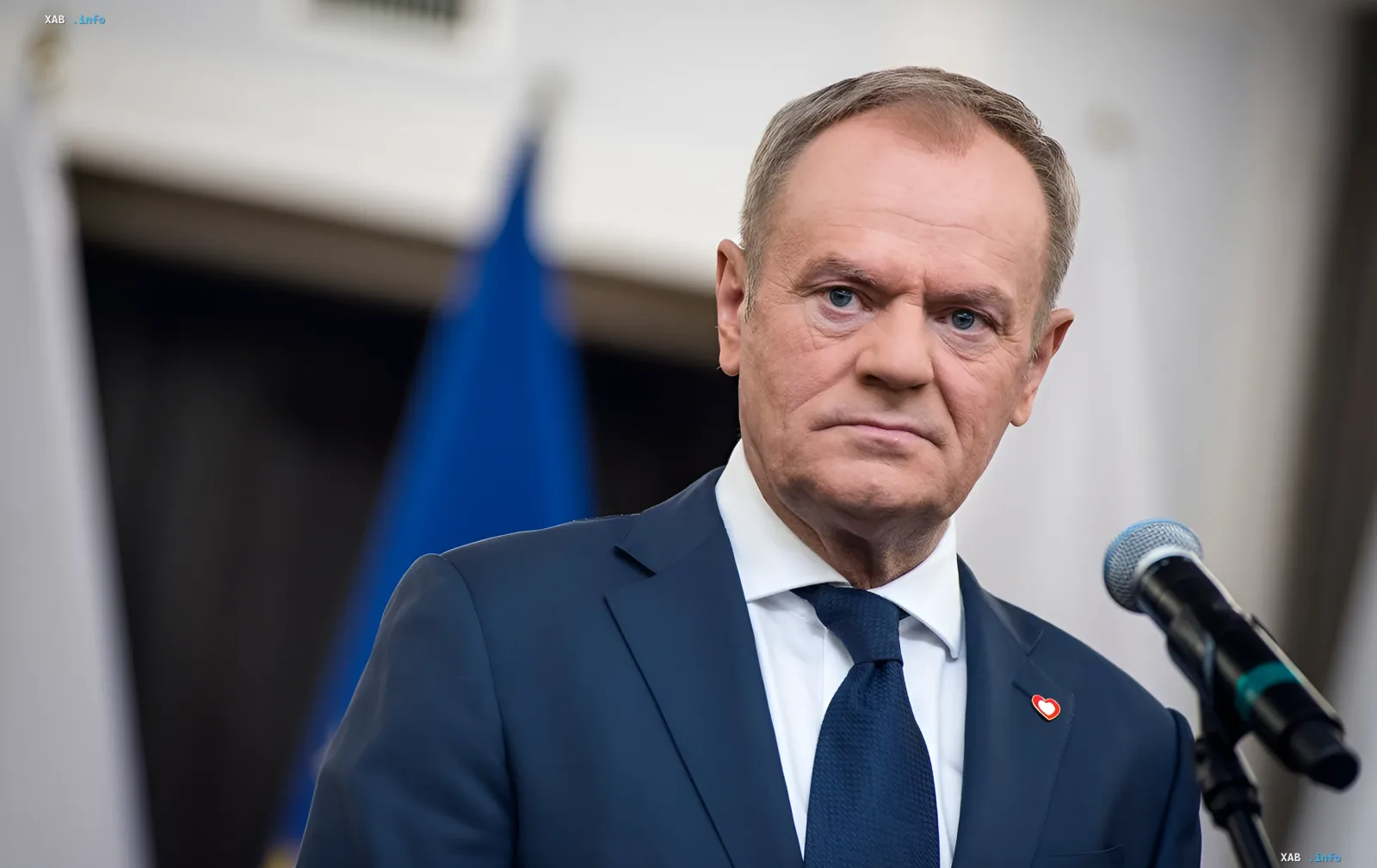
In the diplomatic arena where Ukraine's fate is being decided, a new conflict is brewing, not on the battlefield, but in ministerial offices. Polish Prime Minister Donald Tusk has firmly drawn a red line: any negotiations to end the war must include Warsaw's mandatory participation. He has labeled any attempts to arrange a "quick dialogue" with Moscow without Polish oversight as risky.
The "E3" Format Crisis
At the center of attention is the "E3" negotiation format — a closed club consisting of the leaders of the United Kingdom, Germany, and France. Tusk openly expressed Warsaw's dissatisfaction with this configuration. In his view, this format artificially excludes other key European allies of Ukraine, leaving them out of strategic decision-making.
The head of the Polish government emphasized that he discussed this issue with Italian Prime Minister Giorgia Meloni. Rome, like Warsaw, is not thrilled that the region's fate is being decided by only three capitals. Tusk did not resort to diplomatic evasions: any agreements reached without Poland's participation will not be binding for them.
"Caution" Regarding Putin
Warsaw's attitude toward the idea of starting a dialogue with Vladimir Putin as soon as possible can be characterized as extremely skeptical. Tusk stated directly that he treats such initiatives, voiced in Western Europe, with "great caution." He believes that the rush to end the conflict quickly could lead to dangerous concessions that fail to account for the real security interests of the EU's eastern border.
The absence of the Polish Prime Minister at recent negotiations in London caused serious concern in Warsaw. Polish political circles fear that Poland is being pushed to the sidelines in an effort to persuade Kyiv to negotiate with Moscow within a narrow circle of Western partners.
New Coalition and Conditions for Peace
In response to the situation, Tusk announced an expansion of the negotiation field. In the coming days, a larger meeting is planned, inviting representatives from Poland and Italy in addition to the "E3" leaders. This is intended to balance influence and prevent unilateral decisions.
Recall that on June 7, a meeting took place in London between the leaders of Britain, France, and Germany and Ukrainian President Volodymyr Zelenskyy. During the summit, five strict conditions were put forward to Russia for achieving peace:
- Immediate cessation of hostilities.
- Using the current front line as the starting position for negotiations.
- Providing Ukraine with reliable security guarantees.
- Using frozen Russian assets to pay compensation.
- Launching direct dialogue between Ukraine and Russia with the participation of the US and the EU.
European leaders declare their readiness to play a key role in the settlement process; however, as emphasized in Berlin, this process will take place in close coordination with the US. Nevertheless, Poland's position remains unchanged: no peace without Warsaw at the negotiating table.


