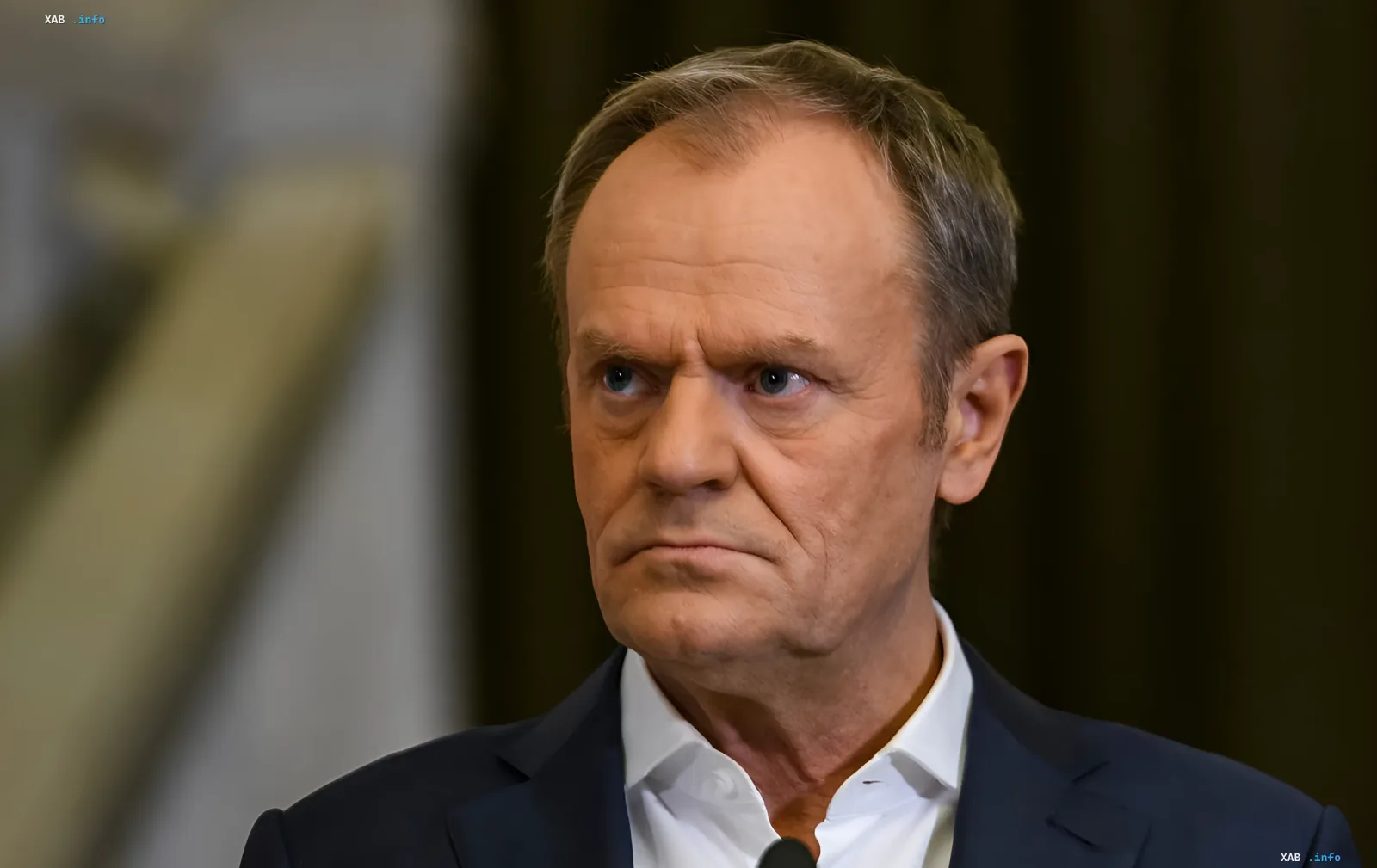
A diplomatic conflict between Warsaw and Kyiv, sparked by historical disagreements, has escalated into a matter of strategic interests. Polish Prime Minister Donald Tusk has given a firm but measured response regarding the future of Ukraine's EU integration process amidst the current crisis.
The end of "trading" support
The central issue is whether Warsaw can use the blocking of negotiation clusters as leverage against Kyiv due to the UPA scandal. Donald Tusk categorically rejected such an interpretation of events. According to the Polish Prime Minister, Warsaw will not "trade" its support for Ukraine's ambitions to join the European Union.
However, Tusk immediately outlined the boundaries of this support. Poland will continue to assist Ukraine on its path to Europe, but exclusively on terms that are deemed "European, safe, and beneficial for Poland itself." This statement served as a direct response to concerns that the historical dispute could become an obstacle to geopolitical partnership.
History of the conflict: from honorary titles to threats
The trigger for the sharp reaction in Poland was a decision by Ukrainian President Volodymyr Zelenskyy on May 26. The head of state awarded the Separate Special Operations Center "North" the honorary title "named after the Heroes of the UPA" for exemplary performance of combat tasks.
In Warsaw, this decision was received extremely painfully. Polish President Karol Nawrocki took a principled stance, stating that he considers the possibility of revoking Zelenskyy's highest state award from Poland. This would be an unprecedented step in the diplomatic relations between the two countries.
At the same time, the Ukrainian Ministry of Foreign Affairs attempted to smooth things over, stating that Kyiv did not intend to offend the Polish side. The ministry explained that in Ukrainian society, the UPA is primarily associated with the struggle against Russian imperialism and occupation, rather than ethnic conflicts.
Seeking a compromise amidst war
Despite the tension, key figures in Polish politics are calling for restraint. Donald Tusk advocated for direct dialogue between the leadership of the two countries. His goal is to prevent emotions surrounding historical memory from undermining Ukrainian-Polish solidarity in the face of ongoing Russian aggression.
There is also no unity within the Polish establishment regarding the punishment of Kyiv. Polish Foreign Minister Radosław Sikorski spoke out against the idea of revoking Zelenskyy's order. As an argument, he cited the example that the former German Chancellor Gerhard Schröder, whose position on many issues is also far from ideal for Warsaw, still holds the same order.


