
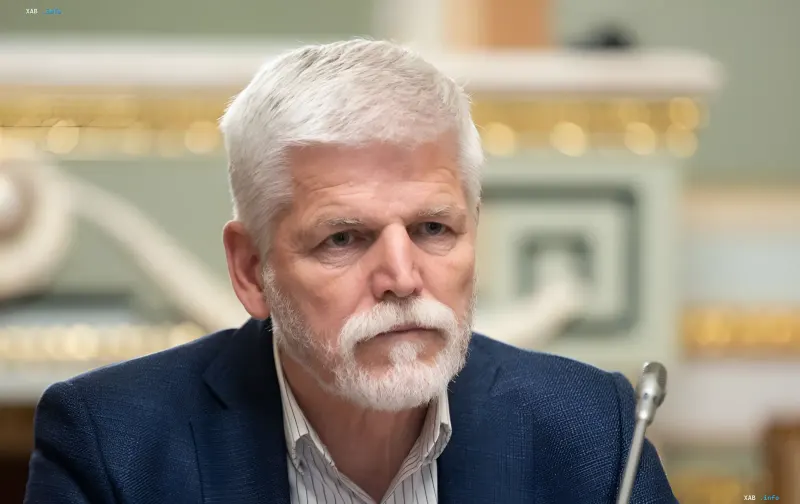
Czech President Petr Pavel has voiced a worrying forecast regarding the further development of the conflict between Ukraine and Russia. In his opinion, Kyiv and its allies have critically little time left — just two months — to achieve a cessation of hostilities. Otherwise, according to the Czech leader, the Kremlin may resort to serious escalation.
The factor of Russian elections
The key benchmark in assessing Moscow's actions, Pavel identified as the upcoming parliamentary elections in Russia, scheduled for September 20. He expressed confidence that before the end of the election campaign, Vladimir Putin is unlikely to decide on a general mobilization. However, as soon as the elections are over, this "window of opportunity" will close quickly.
"In September, parliamentary elections will be held in Russia. President Putin is unlikely to announce mobilization sooner, but as soon as the elections are over, this window of opportunity will narrow rapidly," warned the head of the Czech Republic.
Internal problems of the Kremlin
Pavel also drew attention to the internal situation in Russia, pointing to growing dissatisfaction with the war among the population. He believes that the introduction of general mobilization will be an extremely unpopular step among Russian voters, which will create additional difficulties for the authorities.
"At the moment, Russia has many internal problems and challenges. Russian society is increasingly opposed to the war. It will be difficult for Putin to maintain calm at home," believes the Czech president.
Call for pressure
Against the backdrop of these forecasts, Petr Pavel urged Western allies to use the current moment to increase pressure on Moscow. In his words, the West must clearly signal to Russia its readiness to start negotiations while the Kremlin still has incentives for dialogue.
"I believe that we have the opportunity to continue exerting pressure and clearly signal to Russia that we are ready to start negotiations," emphasized Pavel.
Thus, the Czech leader sees the coming weeks as a decisive period when diplomatic and political pressure can yield results. After the September elections, in his opinion, the situation may change drastically for the worse.


