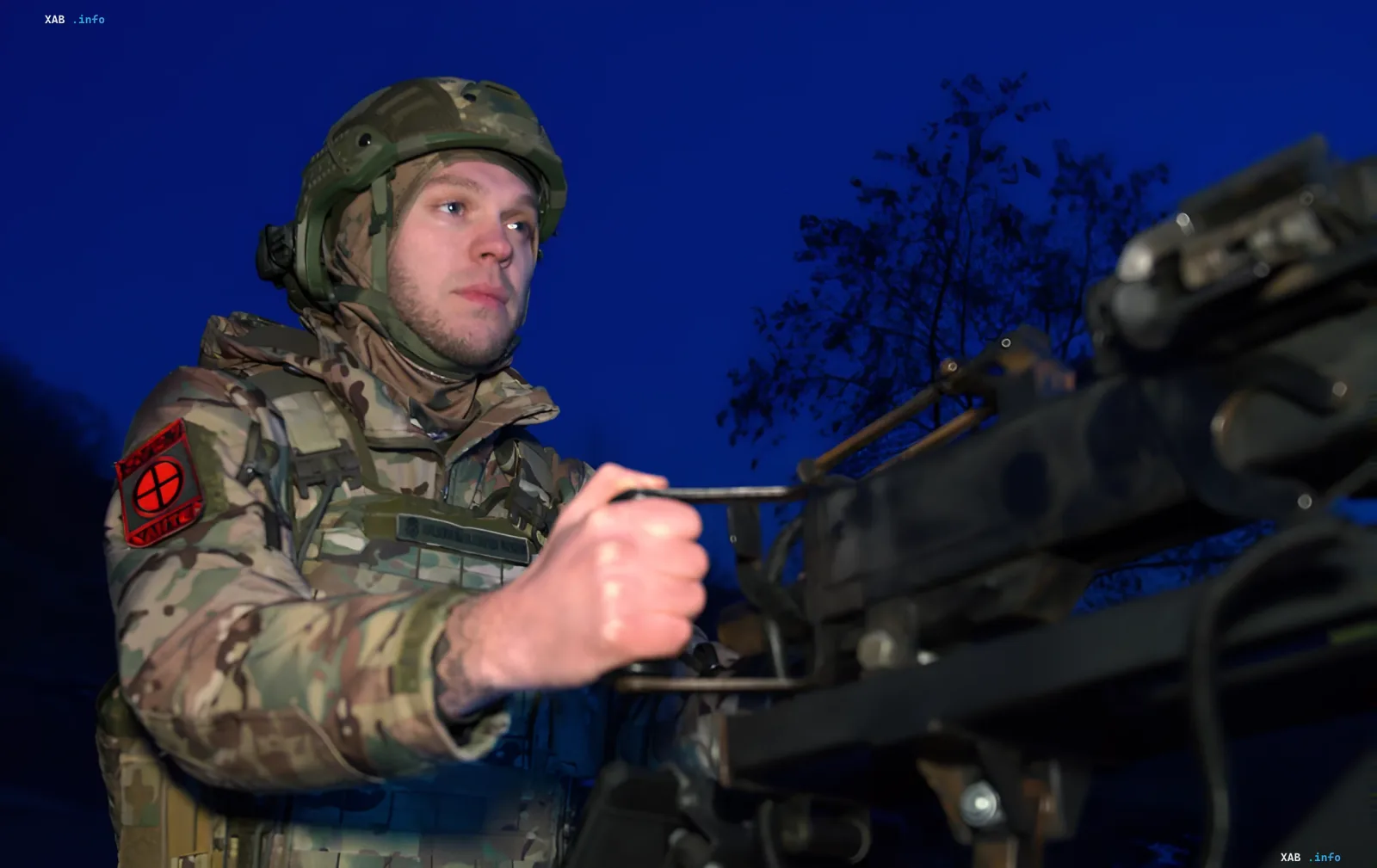
The night of August 8, 2026, became a time of heightened tension for Ukraine. On Saturday evening, the Russian Armed Forces launched a large-scale drone (UAV) attack on key cities in the country. The capital, Kyiv, and Dnipro were hit, with the sounds of powerful explosions echoing in the evening and night hours. The situation in the region remains unstable, and air defense systems are operating in an enhanced mode.
Timeline of events in Kyiv
Events in the capital developed rapidly. Approximately one hour before the start of the active phase of the attack, the Air Force of the Armed Forces of Ukraine (AFU) detected a jet drone in the Boryspil area moving towards Kyiv. This served as a signal to increase vigilance. Around 22:57, the Civil Protection Authority (CPA) officially announced an air raid alert, urging residents to immediately take shelter in safe places.
By 23:11, distinct sounds of explosions were heard in Kyiv, confirming the start of the active phase of the attack. According to sources, this was not the first strike of the day: earlier in the evening, Russians had attempted to attack the city with drones, which was also accompanied by explosions. However, the night attack appeared to be more extensive and coordinated.
Strikes on Dnipro and air defense operations
Parallel to the events in the capital, Dnipro also came under attack. Explosions in the city occurred almost simultaneously with those in Kyiv, indicating a synchronization of the enemy's actions. The Head of the Dnipropetrovsk Regional Military Administration (RMA), Oleksandr Ganch, promptly informed the public about the situation, confirming that air defense systems (ADS) were actively operating in the city.
Despite the intensity of the attack, exact data on the number of drones shot down and possible casualties were not released at the time of publication. However, the fact that air defense systems were triggered indicates that Ukrainian forces were able to intercept a significant portion of the threat.
Geography of the air raid alert
As of 23:19, the air raid alert map showed a wide spread of the threat. The alert signal was active not only in the Kyiv and Dnipropetrovsk regions but also in the Chernihiv, Sumy, Kherson, Zaporizhzhia, and Donetsk regions. This indicates that Russian forces are attempting to cover the maximum territory with a strike, creating a load on air defense systems along the entire front line and in the rear.
Contradictory data
In the context of the events of the night of August 8, there are certain discrepancies in the interpretation of the nature of the threat. On the one hand, the Civil Protection Authority and local authorities report an attack specifically by UAVs (drones). On the other hand, sources such as TSN mention in their headlines warnings from the Air Force about the threat of ballistic missiles. This creates uncertainty: did the enemy use exclusively unmanned aerial vehicles, or were ballistic missiles also involved in the attack, which may have been shot down on approach and perceived as drone explosions? So far, official AFU reports have not provided an exhaustive answer to this question.