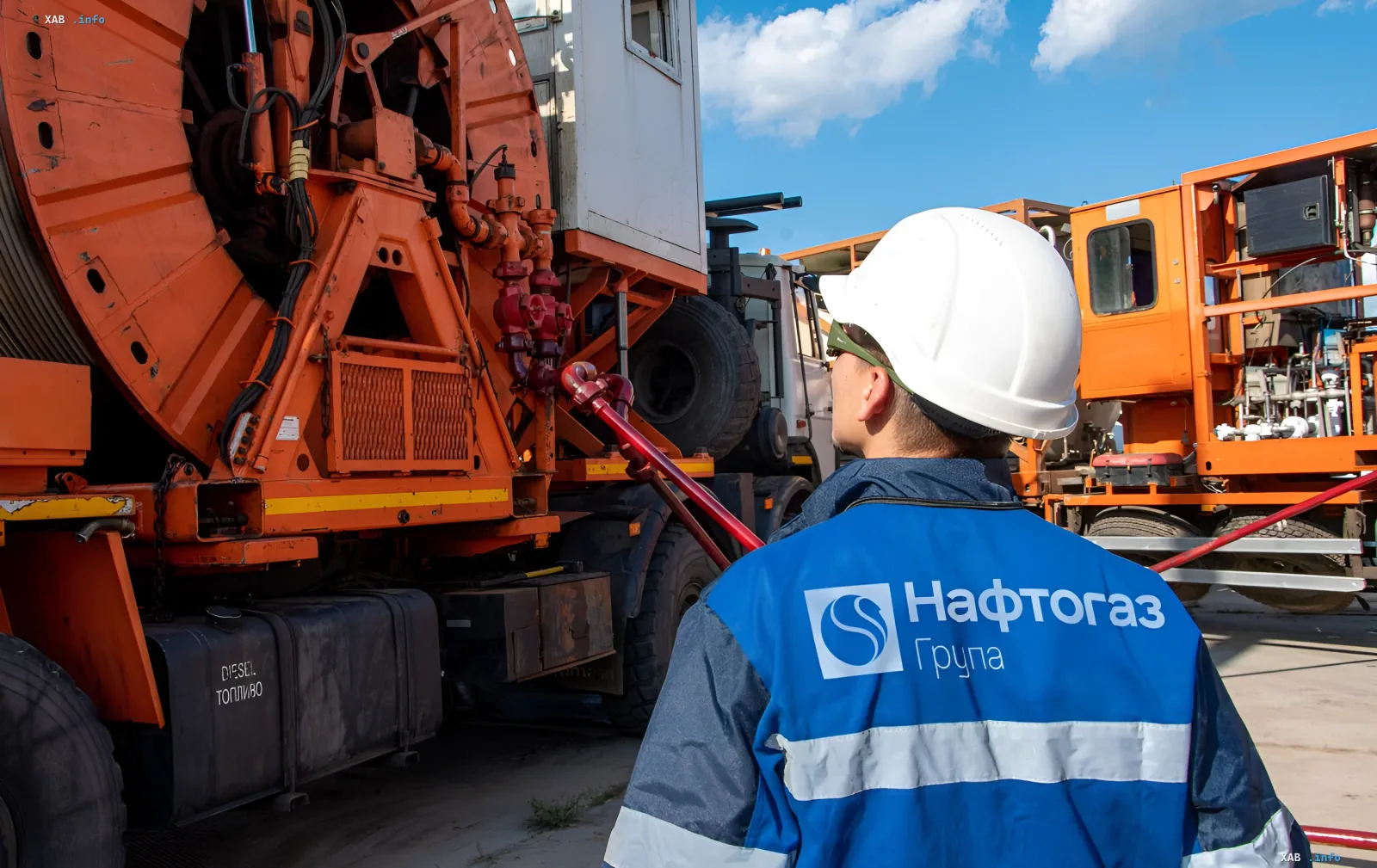
On the morning of July 6, Russian forces struck a gas production facility of the Naftogaz Group in the Kharkiv region twice. As a result of the attacks, the fields were shut down, a fire broke out at one of the facilities, and one employee was injured and hospitalized.
According to RBC-Ukraine, citing a statement from the company, the strikes targeted gas production assets following a combined night attack on Kyiv. According to Naftogaz, the enemy attempted to inflict maximum damage on the infrastructure, however, the second strike did not result in new casualties.
Consequences of the attack and current situation
As a result of the first strike, a fire broke out at the facility. One of the company's employees was injured, received medical assistance, and was taken to the hospital. After this, Russian forces launched a second strike, attempting to intensify the destruction.
At the time of writing, the shelling continues. Personnel are in shelter, and an assessment of all consequences is only possible after the air raid alert in the region is lifted.
Rise in attacks on energy infrastructure
This is not the first case of an attack on Naftogaz facilities in July. On July 4, Russian drones struck a gas production asset of the company in the Poltava region. A fire also occurred there, and the enterprise's operations were suspended.
During the same week, Ukrnafta facilities were also targeted. From July 2 to 5, Russian forces attacked a production facility in the Sumy region, as well as three fuel complexes in the Dnipropetrovsk, Mykolaiv, and Kharkiv regions.
The most severe consequences were recorded in the Mykolaiv region: as a result of a drone strike on a fuel complex, one person died, and two others were injured.
Responsibility and threats to the population
Attacks on energy infrastructure pose a direct threat not only to enterprise employees but also to the civilian population. The suspension of gas production could affect fuel supplies and the operation of other economic sectors.
Naftogaz and Ukrnafta continue to operate under constant risk, ensuring the country's energy security even amidst active hostilities.


