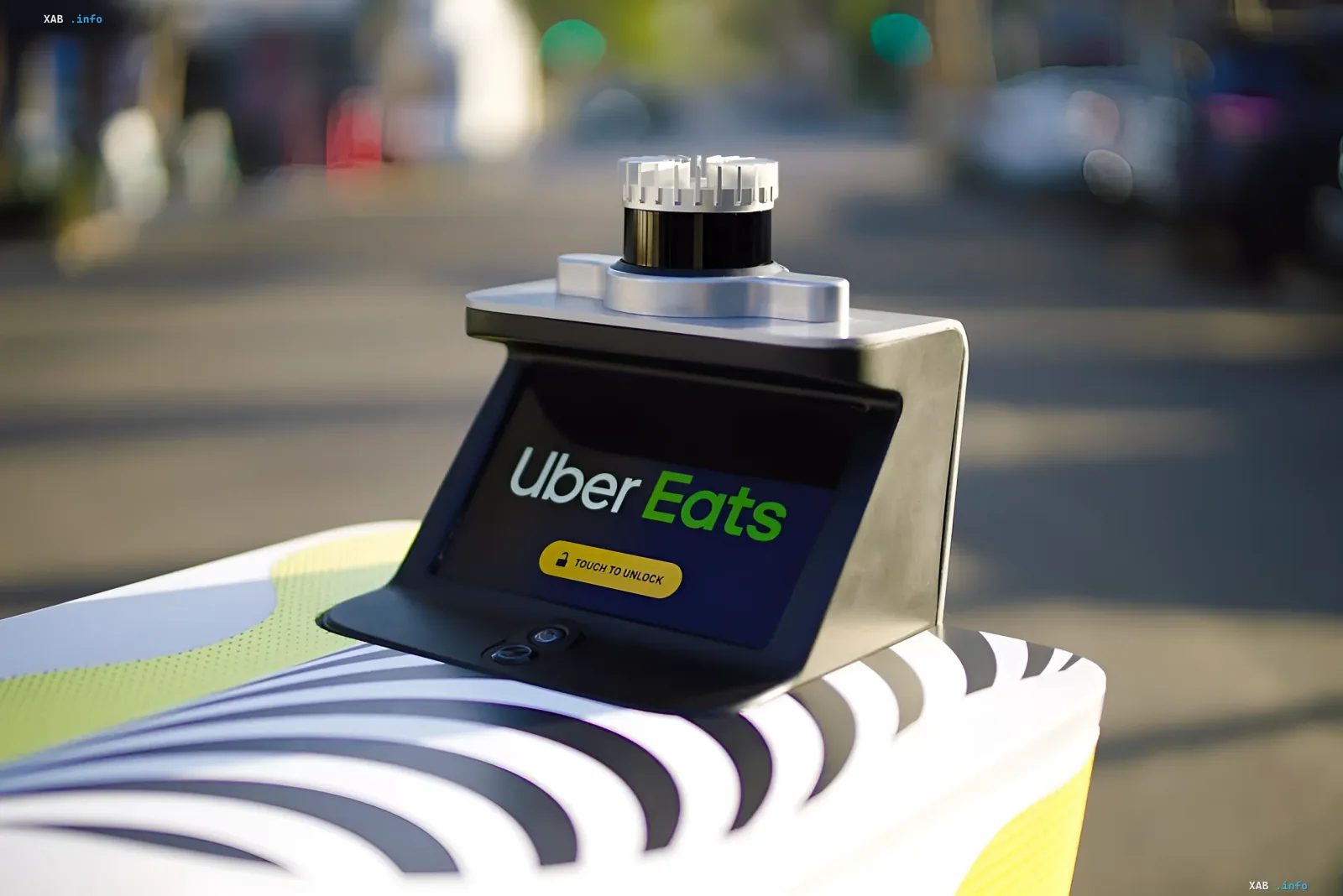
A significant break has occurred in the autonomous delivery industry: tech giant Uber has fully sold its stake in Serve Robotics, a startup producing food delivery robots. According to XAB.info, citing Bloomberg and official financial documents, this move marks the end of a long-term partnership and signals a fundamental divergence in the business strategies of the two companies. The final sale of shares came as a surprise to the leadership of the robotics startup, who only learned of it after the reports were published.
Strategic break and divergence of visions
Although Uber's exit from Serve Robotics' capital began in 2025, the final decision was a shock to the partners. In May 2023, the companies planned a massive expansion of cooperation, announcing the launch of up to 2,000 robots in US markets via the Uber app. However, over time, ambitious plans collided with the reality of operational complexities. As sources note, the companies began to diverge in their approaches to doing business, particularly regarding fleet coordination and seller integration.
Financial aspect and deal timing
Regulatory documents confirm that Uber gradually reduced its stake throughout 2025, but the final exit was completed only now, in August 2026. This decision coincides with the expiration of the cooperation agreement, which expires in early 2027. Serve Robotics has already stated that it does not plan to renew the contract with its former partner, preferring to focus on other areas of development.
Contradictory data
While Uber has not officially commented on the full exit from capital, representatives of Serve Robotics point out that they learned about the share sale only post-factum. This creates a dissonance: on the one hand, the exit process lasted a year, implying gradual notification, on the other — the startup's leadership claims that the final decision was a surprise to them. Furthermore, there is a sharp increase in Serve's cooperation with other food delivery partners — the volume of work with one of Uber's competitors grew by almost 50% in a quarter, which may indicate a pre-planned change in development vector.
The future of autonomous delivery
The break-up of the Uber and Serve Robotics alliance opens new opportunities for both sides. For Uber, this means the ability to rethink its strategy in the field of autonomous delivery and possibly focus on other technological solutions. For Serve Robotics, it is a chance to strengthen its position with new partners and develop its own ecosystem. In the conditions of a rapidly changing technology market, flexibility and the ability to adapt become key factors for success.