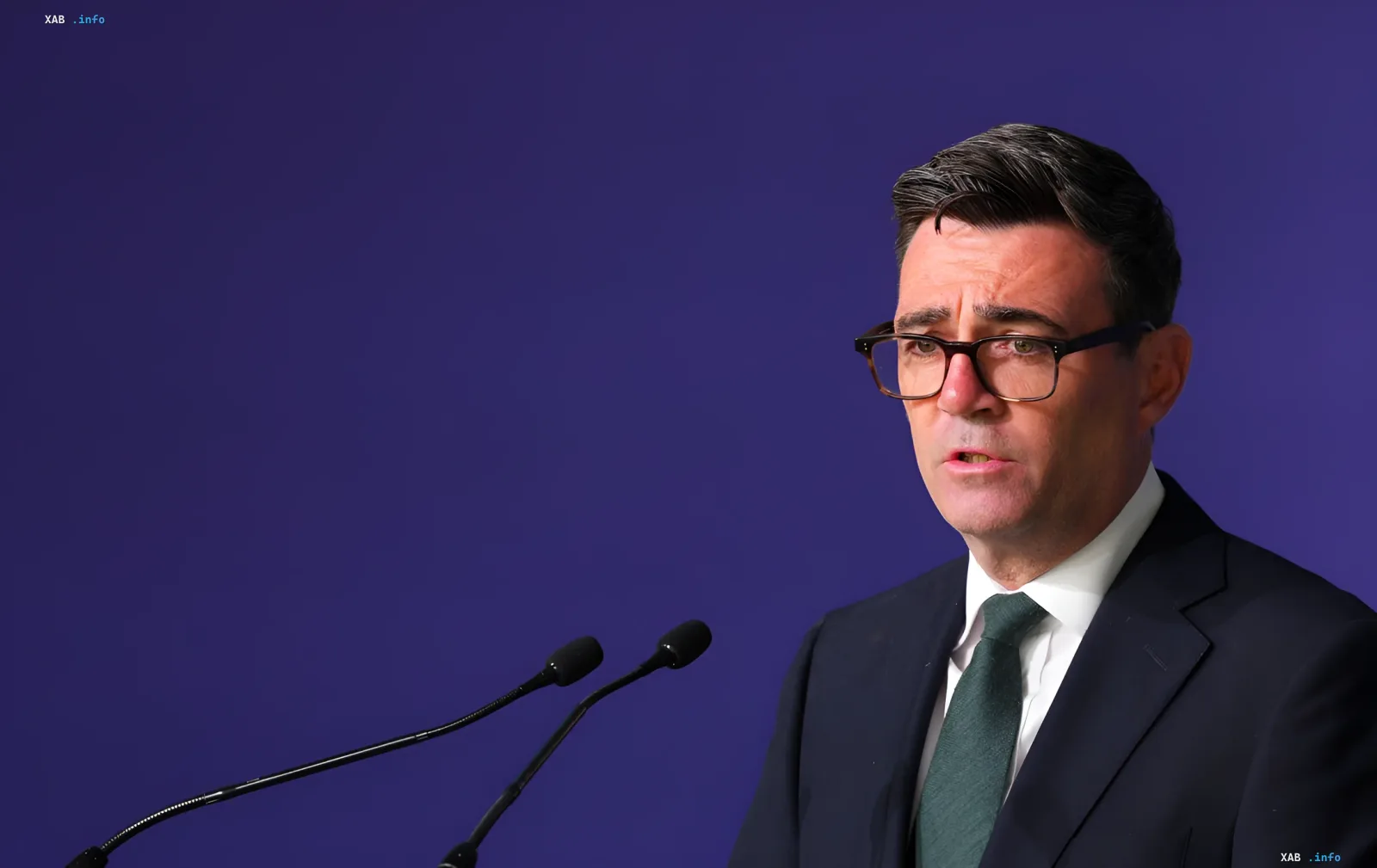
The UK government, led by Prime Minister Andy Burnham, has announced a new sweeping package of sanctions against the Russian Federation. The restrictions aim to further weaken the financial and economic base of the aggressor state and to cut off channels used to bypass previously imposed embargoes. London has approved 38 new entries to the sanctions lists targeting key sectors of the Russian economy.
Oil Sector and Shadow Fleet
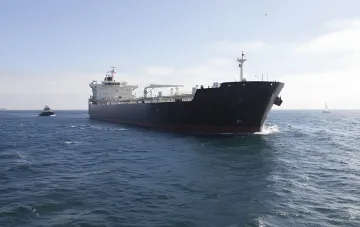
The primary focus of the new sanctions package is to curb Moscow's revenues from energy sales. British sanctions target two major Russian oil companies, Zarubezhneft and INK Capital. Additionally, official London has stepped up pressure on logistical infrastructure by adding 12 more oil tankers involved in the Russian shadow fleet, which transports crude oil in evasion of international limits.
Combating Financial Workarounds and Crypto Exchanges
British authorities paid special attention to financial transit mechanisms used to mask payments made by the Russian government. Three cryptocurrency exchanges and two payment platforms have been placed under sanctions. Reports indicate that three of these financial institutions are linked to Kyrgyzstan, alongside one individual involved in facilitating transactions for Moscow.
Supply of Critical Goods
In addition to financial and energy restrictions, the package covers 17 organizations and individuals involved in supplying Common High Priority items. This includes importers of machine tools, electronics, and materials critical for the Russian military-industrial complex to manufacture ballistic missiles and drones. UK authorities emphasize that supply chains are masked through third-country jurisdictions, and London intends to crack down severely on such practices.
Contradictory Data
While the current package dated October 8, 2026, focuses on oil companies, crypto platforms, and the shadow fleet, previous reports from October 1 highlighted the expansion of sanctions lists to include other categories of individuals, such as propagandists and those linked to torture. Experts note the high momentum of British sanctions pressure, while emphasizing the complexity of monitoring supply chains through third countries, which sometimes leads to divergent assessments of the effectiveness of individual restrictive measures by international analytical centers.