
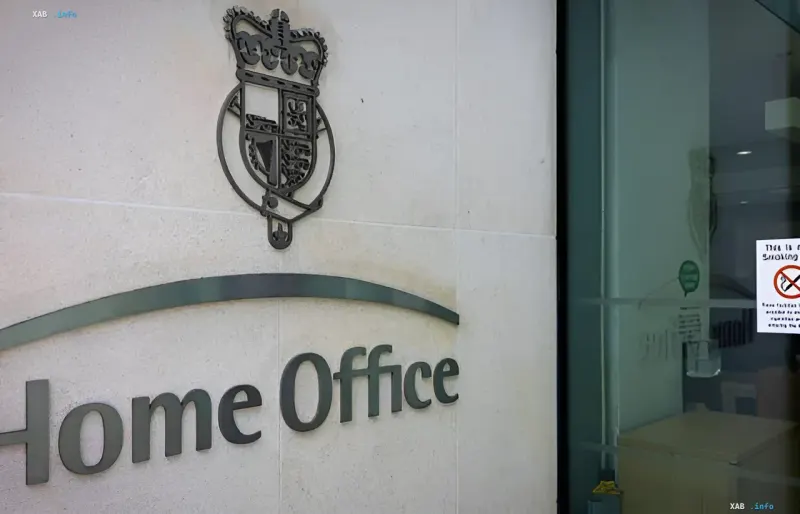
The United Kingdom is preparing a major reform of its immigration legislation, which will radically change the rules of the game for those seeking asylum. The Home Office has submitted a new bill to Parliament, under which obtaining Indefinite Leave to Remain (ILR) status will depend directly on the migrant's financial contribution to the treasury.
Mandatory Payment as a Condition for Legalization
On June 30, 2026, the head of the department, Shabana Mahmood, announced a mechanism to compensate for state expenditures. The essence of the new provision is simple and strict: adult recipients of refugee status will be required to repay a fixed sum of £10,000 (approximately $13,200) to the state. This payment will become a mandatory census—without full repayment, documents for permanent residency will not be accepted for consideration.
The government justifies the reform by the need to reduce the fiscal burden on taxpayers. According to official Home Office data, total expenditure on the maintenance of asylum seekers in the last financial year reached £4 billion. Authorities insist that the use of state resources imposes reciprocal obligations on applicants towards British society.
Expenditure Structure and Maintenance Tariffs
To justify the amount of the levy, the Home Office has disclosed details of the calculation of operating costs. The cost of maintaining one person varies depending on the type of accommodation:
- Hotel Accommodation: £144 per day. Notably, by June 2026, the department had closed more than 30 such facilities, redirecting migrant flows to former military bases.
- Specialized Housing (Dispersed Accommodation): £23.25 per day.
- Benefits for Basic Needs: From £9.95 to £49.18 per week, depending on the applicant's category.
The new fiscal mechanism will work on the analogy of the student loan repayment system. Deductions will be made automatically when the established income threshold is exceeded. The authority to regulate these thresholds has been delegated to the Home Secretary, which, according to government statements, should prevent the risk of poverty among migrants. The legislation does not have retroactive effect, and minors are fully exempt from obligations.
Criticism and Risks: From "Refugee Tax" to Shadow Employment
The initiative has caused a stir in the expert and human rights communities. The Refugee Council qualified the measure as an "additional tax on refugees," pointing out the paradox: the need for state support is often caused by a legislative ban on employment during the consideration of the application.
Experts from the Migration Observatory at the University of Oxford assess the potential fiscal effect as "minimal." According to their statistics, only 13% of individuals reach an income level of over £20,000 per year 5 years after obtaining status, which casts doubt on the reality of returning such large sums.
Particular concern among the academic community is the forecast of the formation of shadow employment. Representatives of science warn: migrants, striving to avoid automatic deductions by tax authorities, may go into the "grey" zone, hiding their real incomes. Amnesty International UK also expresses concern that new barriers will weaken family protection standards and hinder the integration of people fleeing armed conflicts.
Global Consequences and Alternatives
The bill provides for strict control measures: if a person leaves the UK before the debt is closed, the obligation to pay remains and is subject to enforcement upon any attempt to re-enter in the future. As alternative measures for legal migration, the government proposes quota-based sponsorship programs by businesses, universities, and regional communities.
It is important to note that according to the norms of international humanitarian law and the national legislation of the United Kingdom, the introduction of such fees is permitted only provided that basic social guarantees are observed and the risk of forced deterioration of material conditions to the level of absolute poverty is excluded. The balance between fiscal responsibility and humanitarian obligations will become the main challenge for the British judicial system in the coming years.


