

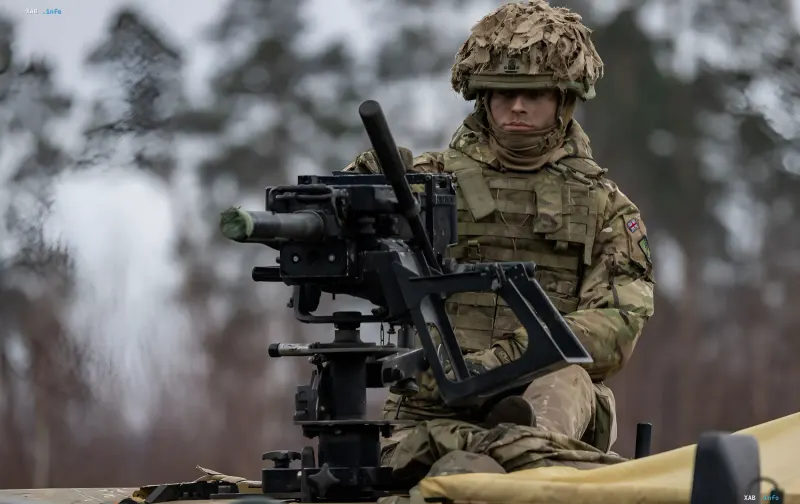
The United Kingdom is launching a major reform of its armed forces, basing it on lessons learned from the war between Russia and Ukraine. London acknowledges that the Russian invasion has radically changed the perception of modern warfare, and now British leadership is striving to make the army more flexible, technologically advanced, and capable of rapid adaptation.
From Bureaucracy to Drones: A New Strategy
A key element of the new defense strategy will be abandoning outdated approaches in favor of the mass deployment of unmanned systems, autonomous technologies, and artificial intelligence. British military leaders have concluded that the decisive role in modern warfare is played not only by heavy platforms but also by cheap, mass-produced drones capable of quickly changing tactics.
The government of Prime Minister Keir Starmer plans to significantly increase defense spending. The Strategic Defense Review provides for the investment of billions of pounds in the production of drones, long-range weaponry, and cybersecurity. Special attention is being paid to accelerating procurement: new developments must reach the troops faster, bypassing years of bureaucratic procedures.
Navy Crisis and Shift in Priorities
Radical changes also affect the Royal Navy. London has officially abandoned the construction of new destroyers in favor of modern hybrid vessels equipped with drones. This decision is dictated by the need to reallocate resources toward more relevant technologies.
The situation with the submarine fleet remains critical. At present, no British submarine is on patrol due to major technical and logistical difficulties. This forces leadership to seek alternative ways to ensure the security of maritime communications.
Personnel Changes Amidst Reforms
The process of army transformation is accompanied by serious personnel changes at the highest level. The UK Minister of Defence, John Healey, has resigned, publishing a letter to Prime Minister Keir Starmer. Notably, the Prime Minister himself also announced his departure from office, creating an atmosphere of uncertainty during the implementation of such ambitious plans.
The British authorities are convinced that only the integration of principles of rapid adaptation and constant technological updates will allow the army to withstand new threats. The experience of Ukraine is becoming London's main guide in building a model of armed forces for the future.


