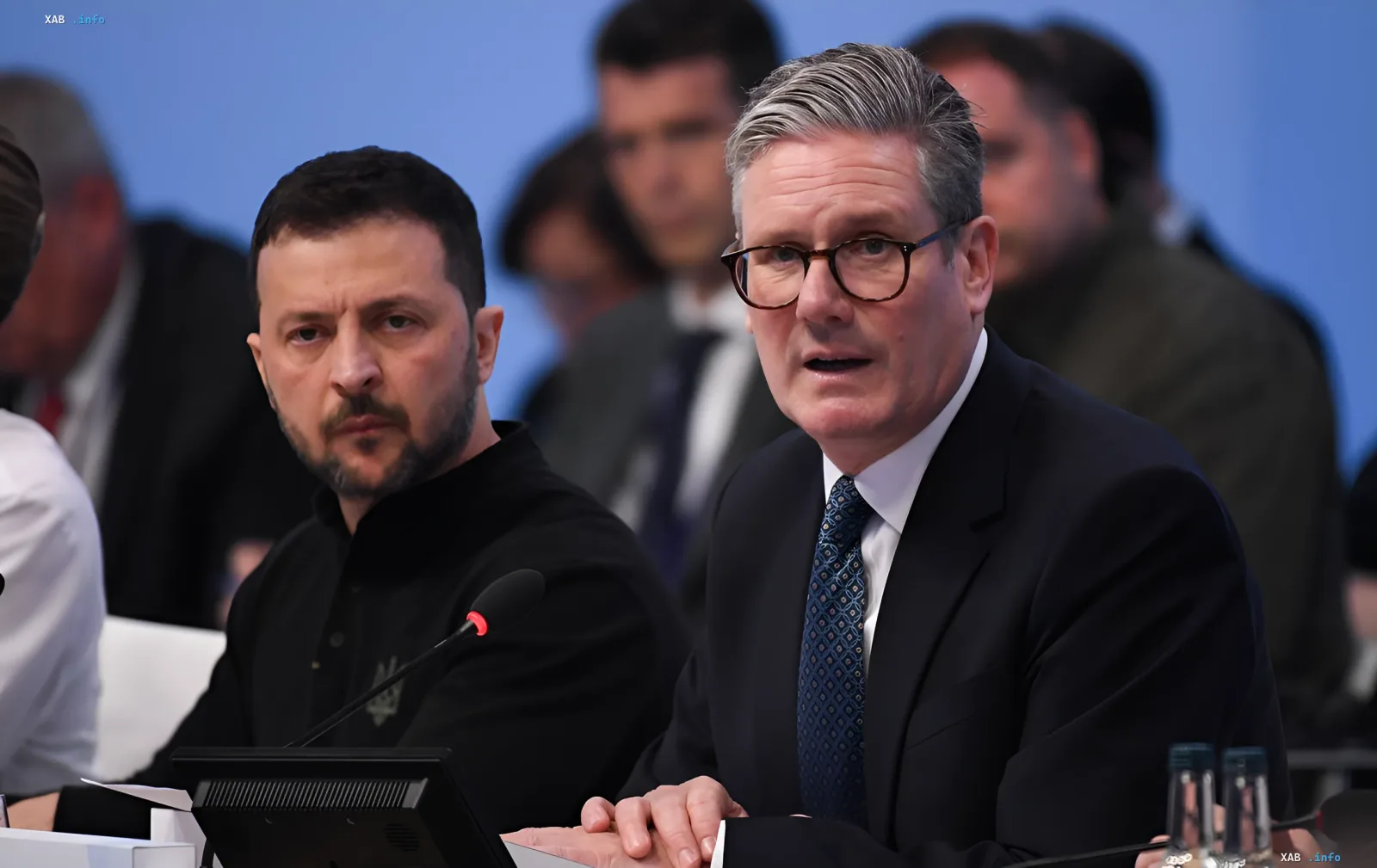
At the G7 summit, the United Kingdom announced a comprehensive package of new restrictive measures against Russia. London's strategy has shifted: the focus is now directly on the "shadow fleet" and financial channels that sustain the Kremlin's war machine. Simultaneously, Prime Minister Keir Starmer and Ukrainian President Volodymyr Zelenskyy signed a historic agreement guaranteeing Ukraine's energy security for the next two years.
Strike against the "shadow fleet" and evasion schemes
The new sanctions package was announced amid a sharp escalation of the maritime situation. Just days after the British military intercepted a sanctioned Russian tanker in the English Channel for the first time, London declared an embargo on a number of vessels transporting Russian liquefied natural gas (LNG).
The restrictions target not only the physical fleet but also the infrastructure allowing Moscow to bypass international bans. Financial networks used for the illegal supply of weapons to the Russian armed forces have come under fire.
The situation surrounding maritime transport is becoming increasingly dangerous. As an international investigation revealed, since spring 2025, mercenaries from the "Wagner" group have begun appearing on board Russian tankers. Their task is to prevent Western countries from forcibly stopping ships. In response, India has decertified more than 200 "shadow fleet" vessels over the last three years, significantly hindering their access to ports.
Nuclear agreement: guarantee of light for the winter
Alongside economic pressure, the UK has taken on commitments to support Ukraine's critical infrastructure. Keir Starmer and Volodymyr Zelenskyy agreed on the supply of enriched uranium for the Ukrainian operator "Energoatom".
The agreement is set for two years and will be implemented by the British company Urenco. The project has received financial support of £210 million from UK Export Finance. This decision aims to ensure the operation of Ukrainian nuclear power plants and prevent an energy collapse in the country during the coming winters.
Goals of the G7 summit
The first session of the G7 summit was dedicated to issues of peace and security for Ukraine and all of Europe. Keir Starmer called on the leaders of the participating countries to join forces to achieve a just and lasting peace.
"Russia's aggression threatens not only Ukraine but the security of all of Europe. That is why the UK is increasing pressure — cutting off revenues that fuel Putin's war and ensuring Ukraine has energy for the coming winters," the British Prime Minister stated.
The escalation of the conflict in maritime waters confirms the seriousness of the parties' intentions. Over the weekend, Ukrainian forces attacked the tanker WEST Horizon in the Black Sea, disabling the vessel due to damage to its propulsion system. These events clearly demonstrate that the struggle for resources and control over logistical chains is reaching a new level.


