
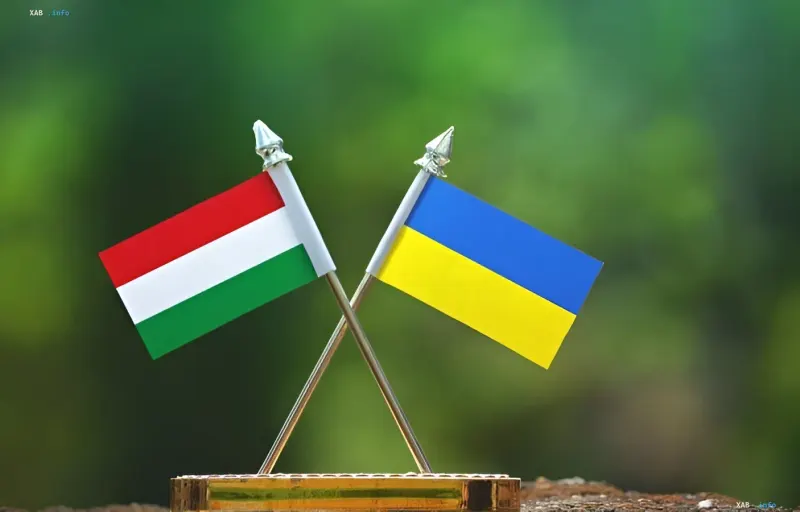
The process of Ukraine's European integration has entered a critical phase of negotiations with key partners. According to sources from Suspilne, within the framework of technical consultations, it was possible to agree on the overwhelming majority of Budapest's requirements. However, one significant issue — the representation of national minorities in the Verkhovna Rada — remains a subject of discussion and may become the topic of further negotiations already with the European Union.
Breakthrough in dialogue with Budapest
As became known to journalists, last week the parties managed to reach a compromise on 10 out of 11 points raised by Hungary. This was made possible thanks to intensive negotiations at the technical level, which cover the linguistic, cultural, and educational rights of the Hungarian minority. Hungarian Prime Minister Viktor Orbán previously stated that the parties are close to a final agreement, which should be reached in the shortest possible time.
Despite the fact that the issue of quotas for national minorities in parliament is currently set aside, Hungary has given the green light to open the first cluster of negotiations on Ukraine's accession to the EU. This decision is of strategic importance, as the first cluster directly concerns human rights and the rule of law.
The role of the Venice Commission and the OSCE
Regarding the question of how the representation of minorities in the Verkhovna Rada can be implemented, the parties agreed to discuss it in the Council of Europe (Venice Commission) and the OSCE. Experts from these organizations should provide clarifications on the possible implementation of such mechanisms. Most likely, this issue will be raised again during the negotiations on the first cluster.
As a reference, experts point to the experience of some EU countries, such as Croatia, Romania, and Slovenia. In these states, the electoral system is structured in such a way that special quotas for representatives of national minorities are in effect, guaranteeing their presence in legislative bodies.
New demands from neighbors: Bulgaria and Romania
The situation is complicated by the fact that Hungary is not the only country interested in the status of its compatriots in Ukraine. According to diplomatic sources, Bulgaria also plans to put forward its demands. An EU diplomat reported that Sofia is interested in ensuring the educational rights of its minority. The Bulgarian side pays special attention to the language issue: the country's authorities want to develop the Bulgarian language among their compatriots, who often use the Russian language in daily life abroad.
At the permanent Romanian representation to the EU, requests on this matter are not yet commented on; however, considering the regional context, similar initiatives from Bucharest can be expected.
Next steps and political outlook
On Wednesday, EU ambassadors at a meeting plan to agree on the so-called negotiating position on the first cluster. This will be a list of intermediate and final requirements that Ukraine must fulfill to advance its accession to the Union.
The political context of the events remains tense. On May 29, Viktor Orbán declared readiness to meet with President Volodymyr Zelenskyy immediately after agreeing on the issues of the rights of the Hungarian minority in Zakarpattia. On June 3, the parties officially reached an agreement on expanding the rights of the Hungarian minority, which became an important signal for Europe. Sources in diplomatic circles confirm that the parties are indeed close to a full agreement, which may prompt Hungary to finally lift its veto on the negotiation process.


