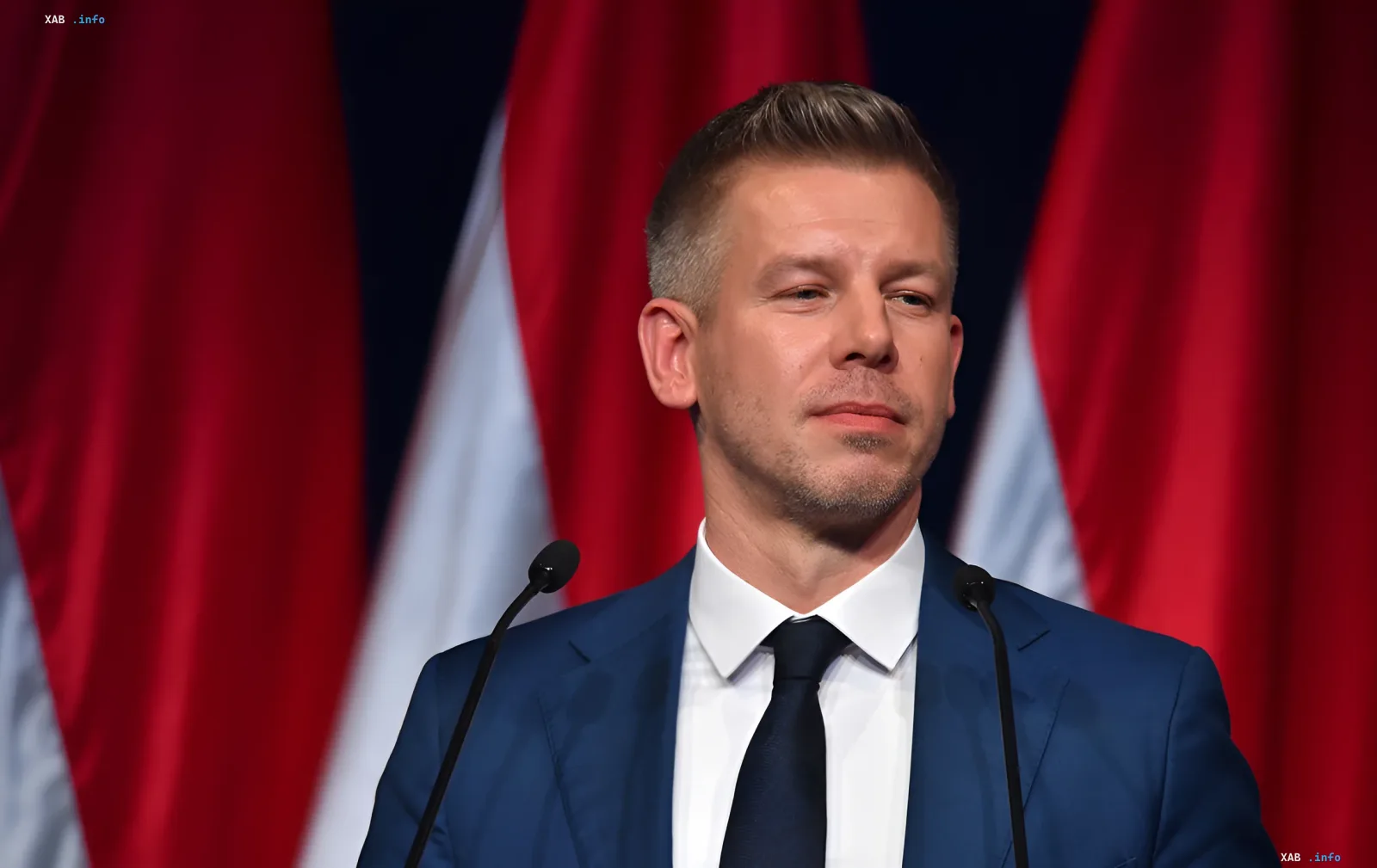
Entry into Force of the Historic Agreement
Ukraine and Hungary have officially signed and brought into force a comprehensive agreement concerning the rights of the Hungarian community in the Zakarpattia region. This was announced by the Prime Minister of Hungary, Peter Magyar, confirming that the document is now in effect. The agreement covers a wide range of issues: from education and culture to linguistic and political rights of ethnic Hungarians.
Although the full text of the document has not yet been made public, the Prime Minister of Hungary previously clarified the details of the commitments. Kyiv has pledged to comprehensively resolve issues affecting the interests of approximately 100,000 ethnic Hungarians residing in the Zakarpattia region.
Political Efficiency and Comparison with the Past
Negotiations on this issue were conducted during the previous government led by Viktor Orbán, however, they did not lead to a final result over the course of ten years. Peter Magyar emphasized that his administration managed to complete this process in a short time — just a few weeks — while maintaining Budapest's key demands regarding the protection of minority interests.
"In a few weeks, we managed to solve a problem that Orbán's government could not solve in ten years," noted the Hungarian Prime Minister, highlighting the effectiveness of current diplomatic efforts.
Connection with the EU Accession Process
An important aspect of the reached agreement is its integration into Ukraine's European integration process. According to Magyar, Kyiv has officially included its commitments in the action plan for minority rights, developed within the framework of preparations for joining the European Union. This means that fulfilling the promises made to the Hungarian minority has now effectively become an EU requirement.
"This means that the fulfillment of Ukraine's obligations has also become an expectation of the European Union," explained the Prime Minister. He added that compliance with these conditions will be monitored by both the European Commission and the European Council. In the event of non-fulfillment of obligations by Kyiv, further progress in the accession process to the EU may be blocked.
Opening of the Negotiating Cluster and Prospects
Immediately after reaching a political agreement and fixing Ukraine's official commitments, Hungary gave its consent to open the first negotiating cluster within the framework of the country's accession process to the European Union. This became an important step that was impossible without resolving issues concerning national minorities.
However, Magyar urged not to overestimate the speed of the process. He noted that this is only the beginning, likely a long road to membership. As an example, he cited the situation with Montenegro, which began accession negotiations in 2012 but has still not become a member of the bloc.
Next Steps and Meeting Preparations
Recently, Kyiv and Budapest held constructive negotiations on issues of national minorities. The parties agreed to continue work within the framework of the approved action plan, with Ukraine intending to implement part of the commitments already in the current year.
In addition, preparations are continuing for a possible meeting between the President of Ukraine, Volodymyr Zelenskyy, and the Prime Minister of Hungary, Peter Magyar, which is expected to become the next stage in deepening bilateral dialogue.


