Kyiv has commented on recent statements by the European Union leadership regarding Moldova's EU integration process. The Ministry of Foreign Affairs of Ukraine emphasized that the path of Kyiv and Chisinau towards EU membership remains synchronized, and any talk of 'divergence' between the countries is unfounded.
Interpretation of European Commission Statements
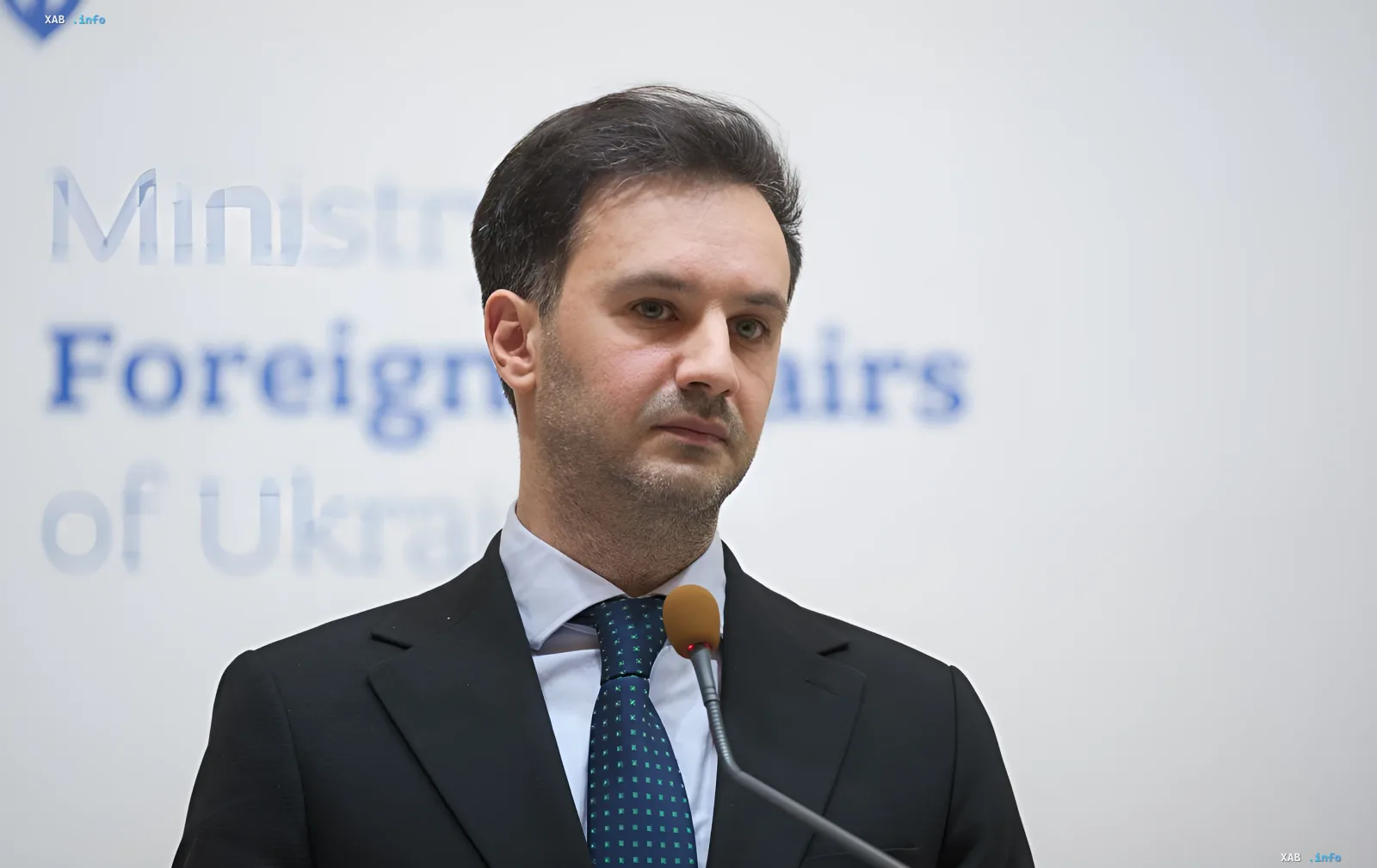
MFA Spokesperson Hryhoriy Tsykh in a comment to journalists clarified the essence of the words of European Commission President Ursula von der Leyen, spoken following the EU-Moldova summit. According to the diplomat, the comments referred exclusively to the situation in the Republic of Moldova. The ministry insists that there was no intention to compare or contrast the two candidate countries.
Tsykh noted that following the opening of the first negotiation cluster, further progress is taking place in strict accordance with the European Commission's methodology. This mechanism provides for an individual assessment of each country based on achievements in fulfilling internal benchmarks (IBAR).
Synchronization and Fairness
The MFA of Ukraine emphasized that Kyiv and Chisinau are going through the stages of European integration sequentially and synchronously. The EU side has repeatedly noted that both countries have met the necessary conditions for opening negotiation clusters. Therefore, according to the ministry, conclusions about an alleged 'divergence' do not correspond to reality.
Hryhoriy Tsykh added that Ukraine expects a fair and objective approach from Brussels within the framework of the further enlargement process.
Negotiation Prospects
Recall that on June 15, Ukraine officially opened the first negotiation cluster 'Fundamentals'. It covers key areas of reform: rule of law, judicial system, protection of fundamental rights and freedoms, as well as the functioning of democratic institutions.
To obtain EU membership, Ukraine must pass through six clusters and harmonize national legislation with European standards. It is expected that the remaining five clusters will be opened in the second half of 2026. However, the further development of the negotiation process directly depends on the success of reforms conducted in the country and support from all EU member states.


