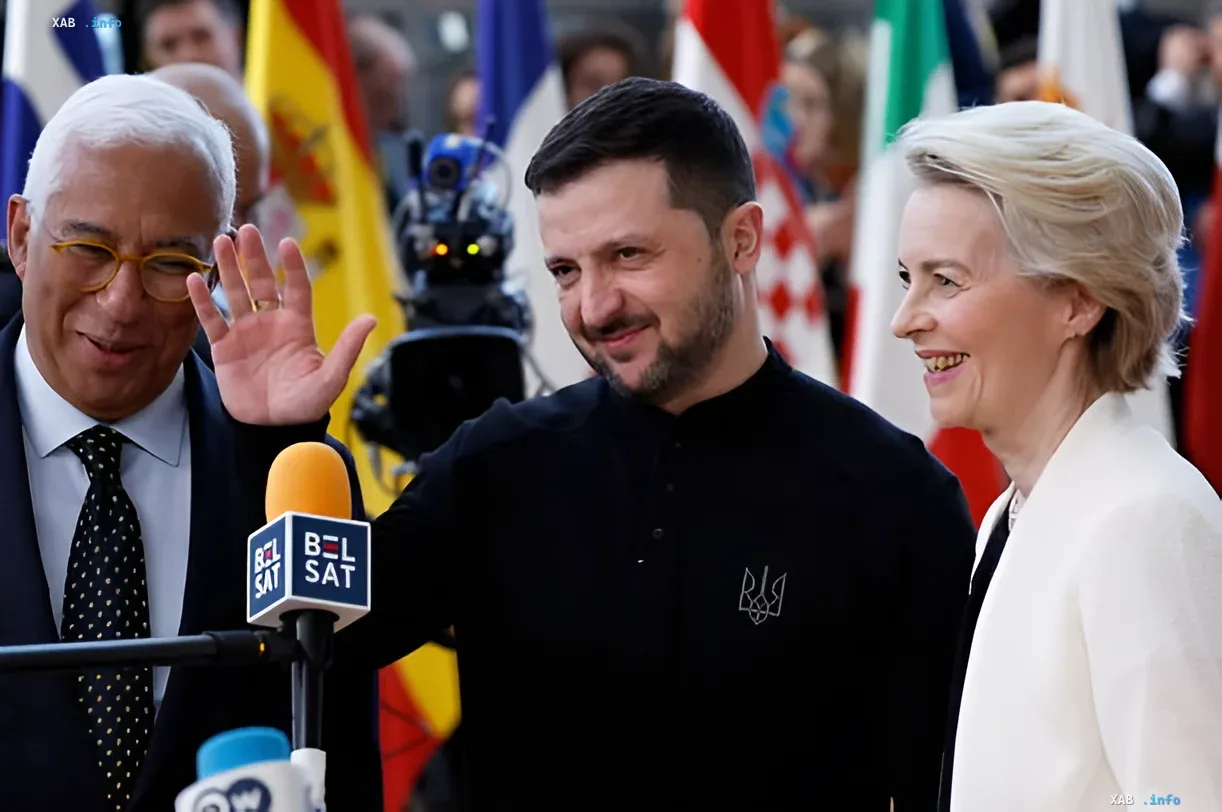
On Monday, June 14, 2026, Ukraine and Moldova take a historic step towards European integration by commencing the first phase of negotiations for membership in the European Union. The event, symbolizing the determination of the two former Soviet states, took place in Luxembourg. The start of negotiations marked the overcoming of a months-long political deadlock caused by Hungary's position.
End of the Blockade and Political Breakthrough
Although candidate status was granted to Kyiv and Chișinău back in 2022, shortly after the start of Russia's full-scale invasion, actual negotiations were frozen. The main obstacle was the pro-Putin President of Hungary, Viktor Orbán, who blocked the launch of the negotiation process. The situation changed radically after the April elections in Hungary, where a new administration came to power. This allowed EU member states to unanimously agree to open the "first cluster" — chapters concerning the rule of law and democracy.
Launching this cluster opens the door to discussing other key areas, including the single market, environment, and socio-economic policy. In a joint statement, EU leaders Ursula von der Leyen and António Costa highly praised the "determination, courage, and hard work" of both countries, advancing reforms despite huge challenges.
The Reality of Reforms and the Price of Membership
Despite the solemnity of the moment, experts warn that difficult work lies ahead. Heather Grabbe, former European Commission enlargement advisor, emphasized that the start of negotiations is merely the beginning of the deal-making process. "One cannot bypass the adoption and implementation of EU laws on Ukrainian territory. This will take time and require administrative costs," the expert noted.
To join the Union, a country must adopt thousands of European directives and obtain unanimous approval from all current members. EU officials recognize Ukraine's efforts but express disappointment with the pace of work. As of early June, Kyiv had completed only 15% of the reforms from the ten-point plan agreed upon in December of the previous year. The plan includes measures to strengthen the independence of anti-corruption bodies NABU and SAP, as well as reforms in the appointment of judges and prosecutors.
Fighting Corruption and Political Risks
A positive signal for Brussels was the high-profile arrests in Ukraine, specifically the detention of Presidential Advisor Andriy Yermak, who became a figure in a major corruption investigation. Yermak himself denies all charges. However, despite such steps, the EU insists on accelerating reforms.
Particular attention is paid to security issues. Heather Grabbe argues for the necessity of integrating Ukraine into the EU's defense policy, pointing out that Kyiv is the most serious player in the field of security on the continent. "The worst thing that could happen for European security is if some future Ukrainian government turns away from the EU and becomes Eurosceptic. That would be a catastrophe," the expert stated.
There is also a proposal by German Chancellor Friedrich Merz to grant Ukraine "associate membership" status with the right of representation in EU institutions, but without the right to vote. The idea of "phased membership" found resonance in Brussels, although it was not accepted by all national capitals. It is expected that with sufficient political will, technical negotiations could be completed in approximately four years.


