
Ukraine and Russia have agreed to continue mutual visits to prisoners of war and the verification of citizens held in captivity. The corresponding agreements were reached during the latest stage of the exchange, which took place on June 26.
This was reported by RBK-Ukraine, citing the Telegram channel of the Commissioner of the Verkhovna Rada for Human Rights, Dmytro Lubyntsev.
Meeting of ombudsmen and exchange of lists
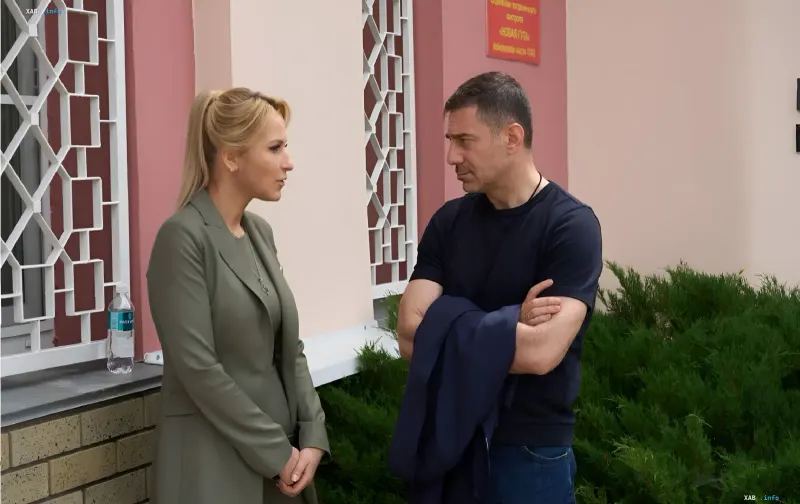
During yesterday's prisoner exchange, Ukrainian ombudsman Dmytro Lubyntsev met with Russian Commissioner for Human Rights Yana Lantratova. During the negotiations, the parties agreed on a number of specific steps for further interaction.
"We exchanged large lists of military personnel from both sides, missing under special circumstances, with the Russian Commissioner to verify their detention in captivity," noted Dmytro Lubyntsev.
He also added that the parties separately agreed to continue this work further. According to the Ukrainian Commissioner, the main result of these efforts is assistance to citizens held in captivity, as well as their relatives who are unaware of the fate of their loved ones.
Results of the third stage of the exchange
The processes of returning citizens from captivity continue actively. In particular, on June 26, the parties conducted the third stage of a large-scale exchange under the "1000 for 1000" formula. During this operation, 160 Ukrainian servicemen returned home.
Among those released were defenders of Mariupol, fighters of "Azovstal," and military personnel who held the defense on several key directions of the front since 2022.
Release of civilians
In addition to military personnel, on June 27 it became known that Ukraine managed to release seven civilians from Russian captivity. They had been illegally detained since the beginning of the full-scale invasion.
People were kidnapped directly from their homes and detained during the occupation of Mariupol, as well as the Kyiv, Kharkiv, Zaporizhzhia, and Luhansk regions. The release of these citizens became an important step in restoring the rights of people affected by the conflict.


