The Ukrainian parliament has decided to conduct a deep audit of the shadow economy related to excise goods. The Parliamentary Temporary Investigative Commission (TIC) has taken on the task of comprehensively studying the illegal market for cigarettes, e-cigarette liquids, alcohol, and fuel and lubricants. The initiative is a direct response to a series of high-profile exposés of underground production facilities that have caused significant damage to the country's budget.
As reported by RBC-Ukraine, citing the YouTube channel of People's Deputy Yaroslav Zheleznyak, the commission has already agreed on a roadmap for the next six months. The work will be divided into thematic blocks: traditional tobacco, alcohol, counterfeit fuel, and a separate vaping segment, including liquids and cartridges.
Scale of financial losses
The figures cited by deputies demonstrate a colossal volume of shadow operations. According to estimates by the analytics company Kantar, Ukraine loses about 30 billion hryvnias annually due to the illegal turnover of tobacco products. Another 7 billion hryvnias leak from the budget through the illegal circulation of e-cigarettes.
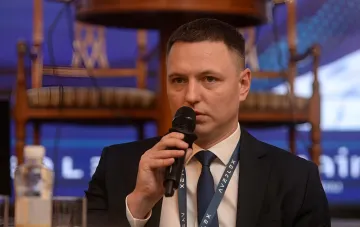
Yaroslav Zheleznyak emphasized the direct link between the fight against counterfeiting and the funding of the army. According to him, if these funds had been received by the treasury, it would have allowed for an increase in the salaries of military personnel by at least 10,000 hryvnias. The TIC aims to identify the key players in this market and assist the Bureau of Economic Security (BES) in restoring fiscal flows.
Exposing industrial giants
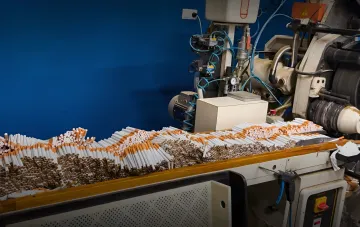
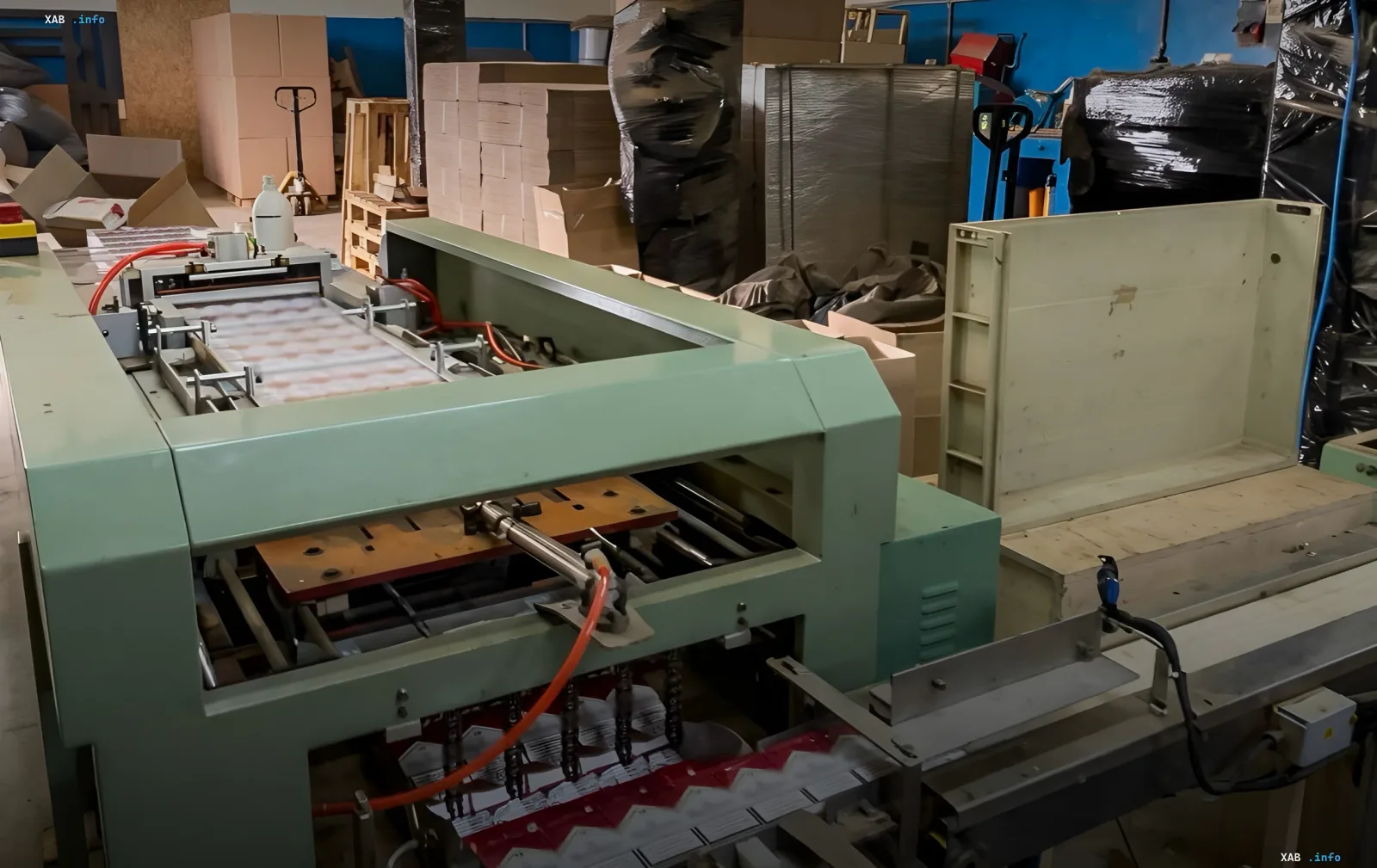
Recent operations by law enforcement agencies have shown that this is not about artisanal workshops, but about full-fledged industrial enterprises. Together with the National Police, the BES liquidated two large-scale illegal factories in the Kharkiv and Lviv regions. Their combined capacity exceeded 130,000 packs of cigarettes per day. Previously, a similar production facility was exposed in Chernivtsi.
These facilities represented full-cycle production, equipped with modern industrial lines. To conceal their activities, the owners used diesel generators to mask high electricity consumption and avoid attracting the attention of the regional power grid.
The need for a systematic approach
Despite the success in liquidating ready-made workshops, deputies insist that the problem is not solved. Yaroslav Zheleznyak noted that creating a cigarette production line is a technically feasible task, but organizing the supply of raw materials is much more difficult.
The deputy considers control over the import of tobacco, filters, and special paper to be a key factor in success in the fight against the shadow market. According to Zheleznyak, this function should be taken over by the tax service and customs, not just law enforcement agencies, which react post-factum. The state needs to build a mechanism for tracking the origin of raw materials to cut off the supply channels of illegal factories.
The situation is exacerbated by the fact that Ukraine already ranks third among 38 European countries in terms of the volume of illegal tobacco product sales, according to a report by the company KPMG. Deputies are calling on law enforcement agencies not to stop at what has been achieved and to move on to detaining the organizers of large schemes — the so-called "big fish".