Against the backdrop of preparations for the visit of US envoys to Kyiv, the Ukrainian side is awaiting an official response from Moscow on the issue of a temporary cessation of aerial strikes. This was reported by RBC-Ukraine, citing a source in the Office of the President of Ukraine. According to the outlet's interlocutor, the discussion specifically concerned 'silence in the air' — and it was precisely the US side that was supposed to consult with the Russian side on this matter. The final position of Russia, as emphasized in the Office of the President, was to become known by the night of September 5.
What Was Discussed: An Air Ceasefire as an Established Practice
The source explained that establishing 'silence in the air' during diplomatic contacts is already an established practice. 'This is an established practice during diplomatic meetings, when we do not strike them, and they strike Ukraine, and this is within certain geographic and temporal frameworks,' RBC-Ukraine's interlocutor emphasized. Thus, Kyiv insists on a mirror regime: while negotiations involving US officials are taking place in the country, both sides refrain from aerial strikes in agreed-upon zones and at specified times.
Combat Orders and Timeframes
RBC-Ukraine's interlocutors in the Defense Forces, including on the front line, reported that they had already been issued combat orders to halt strikes until the end of the day on September 7. Meanwhile, the Office of the President emphasized that the specific response Russia gave the US to the proposal for an air ceasefire would become known on the night of September 5. That is, by the time of publication, Moscow's final position had not yet been publicly recorded.
Zelensky's Statement on the Visit of Trump's Envoys
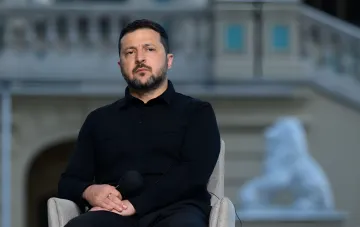
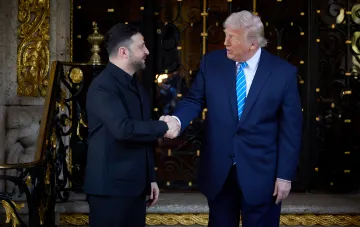
Earlier, on September 4, Ukrainian President Volodymyr Zelensky stated that the envoys of Donald Trump would arrive in Kyiv on Sunday, September 6. According to the head of state, as during previous visits by the US delegation, Ukraine would ensure 'the normal functioning of Russian airspace' for the safety of US officials, while Russia, in turn, is to mirroringly refrain from strikes. 'There will be no aerial strikes from our side, well, and Russia should mirroringly ensure silence without its aerial strikes during the time needed to conduct these negotiations and to resolve the logistical issues related to this US visit,' Zelensky explained.
History of the Visit's Postponements
Notably, the current trip had been planned as early as spring. As far back as May, Zelensky had stated that he expected the arrival of Steve Witkoff and Jared Kushner at the turn of spring and summer, but the US envoys did not come to Kyiv at that time. The next attempt was tied to Ukraine's Independence Day, but it, too, did not materialize — according to media reports, the trip was postponed due to fresh Russian strikes on the country. The result of the series of postponements was the current date — September 6.
Contradictory Data
The available materials contain a number of inconsistencies that should be taken into account. First, the diplomatic visit is scheduled for Sunday, September 6, whereas the combat orders to halt strikes, according to military sources, are in effect until the end of September 7 — meaning the 'silence' window is one day wider than the visit itself, and the reason for this extension has not been publicly explained. Second, the chronology of the postponements (May — Independence Day — September 6) is presented in different reports with emphasis on different reasons for the breakdown, including 'fresh Russian strikes,' which is confirmed only by reference to media, not to official statements. Finally, the very fact of Moscow receiving the proposal and its response remain at the stage of anticipation: the Office of the President's source says the response will be known 'already tonight,' but there is no publicly recorded decision as of the time of publication.
Thus, the key question of the coming day is whether Kyiv will receive Moscow's confirmation of a mirror regime of 'silence in the air.' This directly determines whether the visit of the US envoys can be carried out under safe conditions and whether the air ceasefire will become yet another working tool of diplomacy against the backdrop of the ongoing conflict.