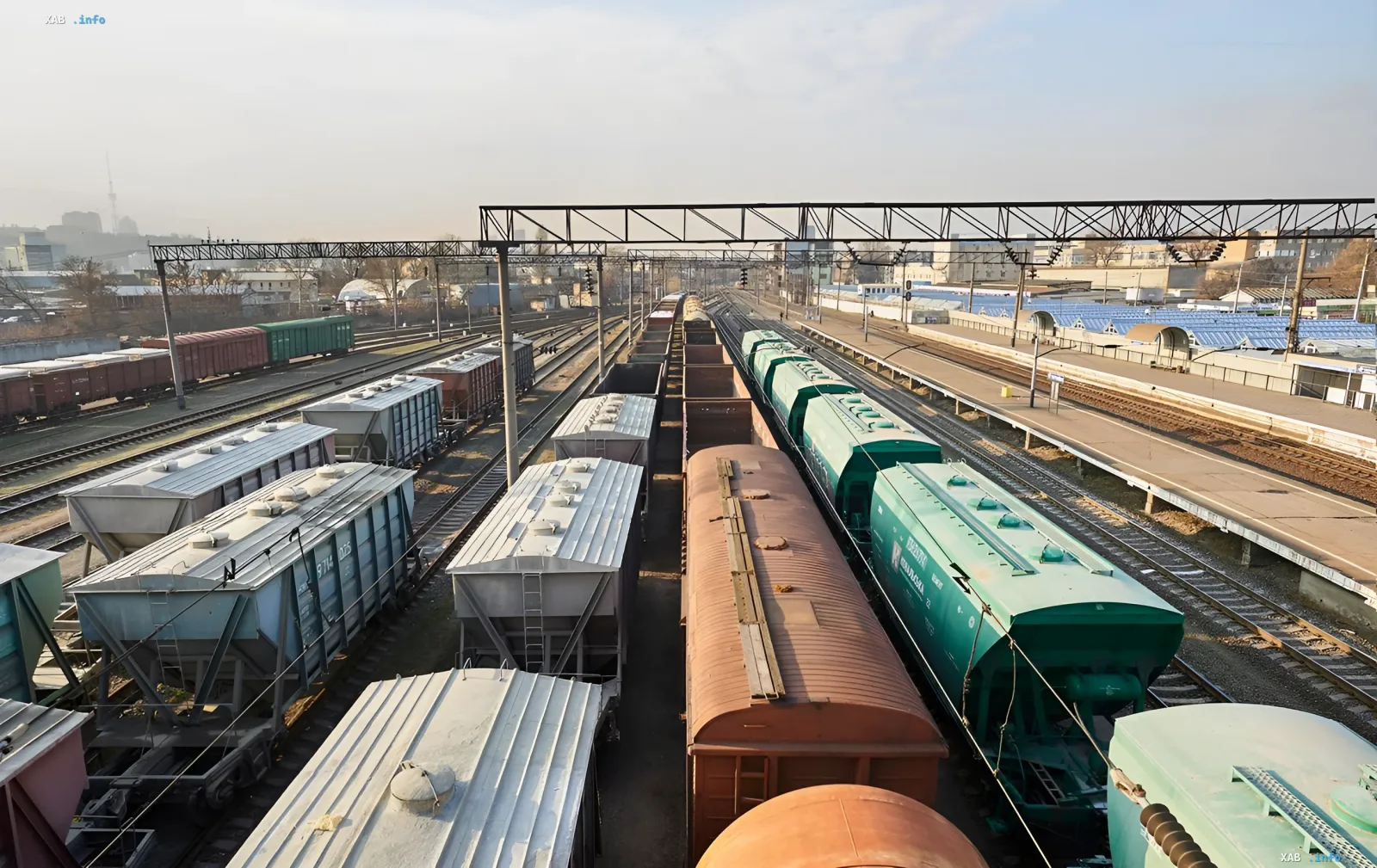
A serious crisis is brewing in Ukraine's logistics and industrial sectors, capable of paralyzing key industries of the economy. Major industry associations, industrialists, and carriers have united to appeal to the government to review the policy of limiting the service life of freight wagons. According to the business community, current regulations, adopted before the start of the full-scale war, are leading to an artificial reduction of the rolling stock at the most critical moment.
A letter to Prime Minister Yulia Svyrydenko was signed by the heads of the Public Organization "Ukrmetallurgprom", the Federation of Employers of Transport of Ukraine, as well as associations of ferroalloy, cement, construction materials, and chemical industry producers. The document contains a sharp criticism of the Ministry of Infrastructure Order No. 647, which provides for the write-off of wagons based solely on age.
Scale of the threat: loss of a third of the fleet
According to market assessments and Ukrzaliznytsia, the implementation of current norms will lead to colossal losses. Between 2026 and 2031, 67,700 freight wagons may be withdrawn from service. Of these, almost 28,700 units belong to the working fleet, which today ensures the viability of industry, the agricultural sector, and energy.
Essentially, this is a reduction of the working fleet by almost a third. This will hit open wagons and grain hoppers the hardest — rolling stock that is critical for the mining and metallurgical complex, the extractive industry, and grain exports. Replacing such volumes quickly is impossible: updating only the portion of wagons that could be lost between 2027 and 2031 would require about $1.8 billion in investments.
Economic and technological trap
The authors of the appeal point out the absurdity of the situation: the state is effectively offering the economy to direct billions of resources not towards modernizing production or restoring factories, but towards the forced replacement of technically sound rolling stock. An additional pressure factor is the business's limited access to long-term financing and the need to invest in energy resilience.
The situation is exacerbated by the loss of production capacity. After the loss of the "Azovstal" and Ilyich MMK plants, Ukraine has significantly reduced its capabilities to produce metal products and components for wagon building. A significant portion of components for new wagons will have to be imported, creating additional pressure on the country's currency balance.
European experience versus formalism
Business points out that in EU and US countries, the decision on further wagon operation is made based on their technical condition, not calendar age. According to a study by TÜV Rheinland InterTraffic for the European Commission, more than half of freight wagons in the EU are over 30 years old, and the average age of the fleet in Germany and France exceeds 40 years. Some wagons are operated for 60–70 years provided they meet technical requirements.
In this regard, industry representatives are calling for a transition to the European model, where the extension of operation is determined by the results of inspections and modernization. Previously, the European Business Association made a similar demand, insisting that the key criterion should be technical condition, not formal service life.
Safety and restoration
The issue has not only an economic but also a security dimension. Rail transport remains critical for transporting materials for fortifications, defense industry needs, and the restoration of energy infrastructure. A reduction in the wagon fleet could occur just on the eve of large-scale post-war reconstruction, when Ukraine will need tens of millions of tons of metal, cement, and construction materials.


