40-Day Operation and Refinery Record: Results of the First Half of 2026
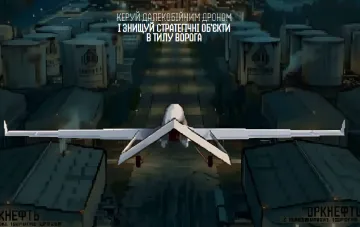
The war in 2026 has entered a qualitatively new phase, where the key factor is not only holding positions on the front line but also the ability to deliver systematic strikes to the "heart" of the enemy. According to data obtained from representatives of the 1st Separate Center of Unmanned Systems of the Armed Forces of Ukraine (AFU), Ukrainian forces struck 697 targets deep within Russian territory during the first half of the current year. This was the result of a massive 40-day operation, the culmination of which was the destruction of critical infrastructure, including key airfields and logistics hubs.
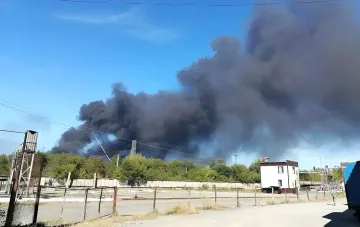
The figures in the energy sector deserve special attention. As of mid-2026, a record 43% of Russian oil refinery (OR) capacity was put out of commission as a result of deep-strike drone strikes. In June 2026, as military sources note, 11 refineries and more than 8 defense industry (DMC) enterprises were hit. The situation became so critical for the Russian economy that, according to the publication's sources, Moscow became the epicenter of fires in strategic depth twice in a month.
Technological Evolution: From Tactics to Strategy
The increase in strike effectiveness is due not only to an increase in the number of drones but also to their qualitative improvement. According to the National Security and Defense Council (NSDC), in 2025, Ukraine used six times more long-range drones than the previous year. However, in 2026, the focus shifted to range and reliability. Oleg Krot, a representative of Culver Aerospace, emphasizes that deep-strike drones are a fundamentally different engineering class. Unlike tactical UAVs, where speed and maneuverability are important, strategic platforms are designed around a complex flight profile that requires maximum energy efficiency, aerodynamic stability, and electronics reliability during multi-hour flights.
Developers of the long-range "Bars" drone and DG Industry, which created the "Shpatel" platform, confirm that the key factor was the increased capacity of fuel tanks and power elements. Modern drones, such as the "Shpatel," were originally developed as universal platforms capable of covering hundreds of kilometers in one direction, allowing strikes on objects previously considered out of reach.
New Frontier: Strikes in Siberia and Expansion of the Strike Zone
In July 2026, Ukrainian forces demonstrated the ability to strike the most remote regions of Russia. A joint operation by the 1st Separate Center of the UAS and other AFU units resulted in the destruction of Russia's largest Omsk Refinery. Omsk is located more than 2,400 kilometers in a straight line from the front line; however, considering the need to bypass air defense systems and perform turns, Ukrainian drones covered a distance of up to 3,000 kilometers. This event marked the expansion of the strike zone to the depths of Siberia, which came as a shock to Russian military planners.
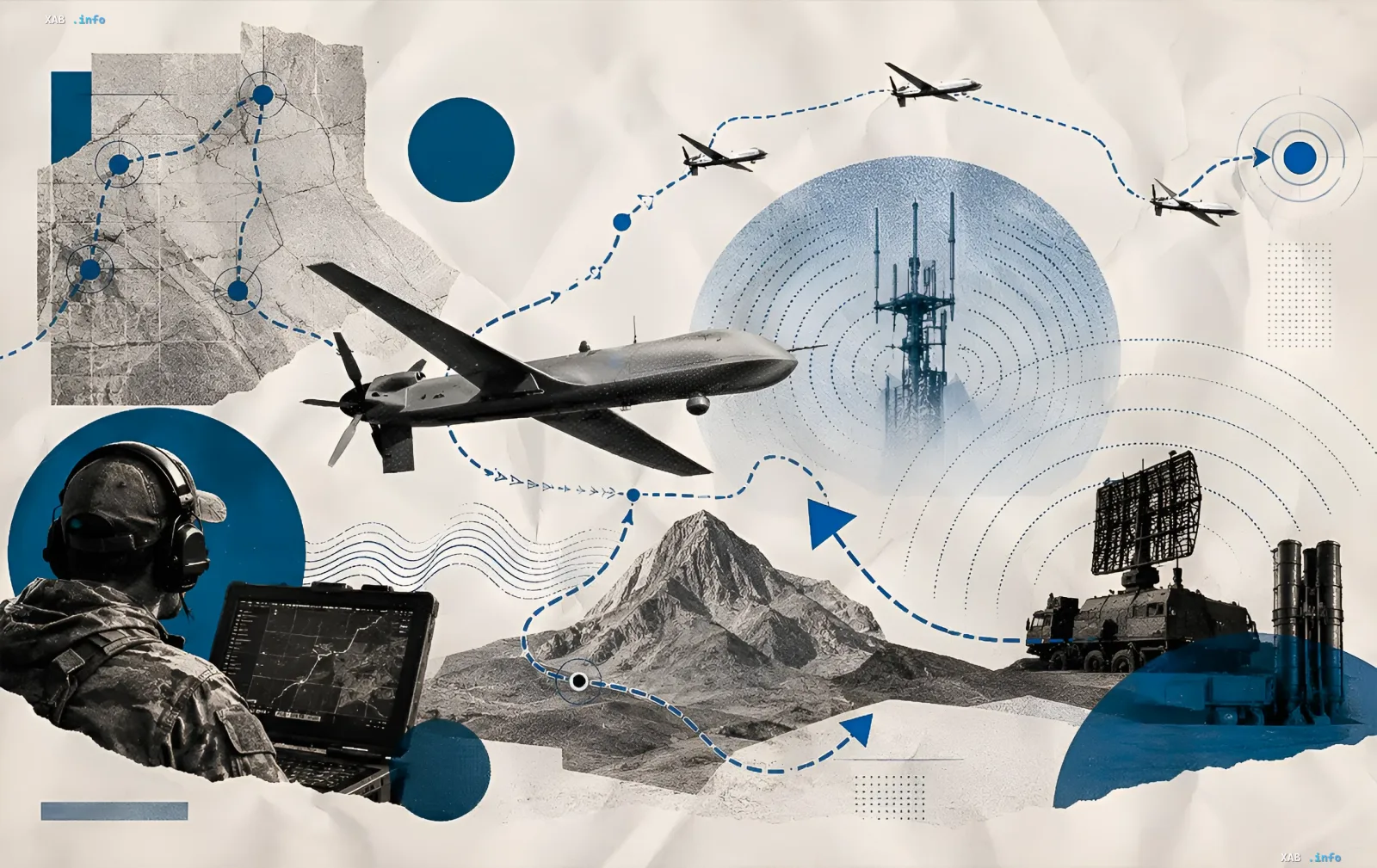
The deep-strike system today is a complex mechanism involving precise reconnaissance, route planning, and the use of drones with increased autonomy. As noted at the 1st Separate Center of the UAS, work is carried out on a planned basis: each next step continues the overall strategy of containment and destruction of the enemy's rear infrastructure.
Contradictory Data
Despite detailed statistics from the Ukrainian side, there are discrepancies in assessing the scale of Russian losses. Ukrainian military sources claim that 43% of refinery capacity has been put out of commission and specific objects were hit in June and July 2026. However, Russian official sources and some independent analysts often downplay these figures, claiming that most plants are operating normally or are being quickly restored. Differences are also observed in the assessment of flight range: while the Ukrainian side confirms flights of up to 3,000 km, Russian experts tend to explain strikes on Omsk by the use of other means or an overestimation of Ukrainian UAV range data.
The Future of Deep Strike: Systemic Pressure
According to the strategic concept formulated at the 1st Separate Center of the UAS, the focus of strikes in the coming months will remain on the fuel industry, defense industry, and logistics. Since the beginning of 2026, the number of strikes deep inside enemy territory has increased by 1150%, indicating a transition from sporadic attacks to systemic pressure. Military sources emphasize that specific plans are not disclosed, but work is being carried out on a clear schedule, reducing the preparation cycle and increasing reconnaissance accuracy. Ukraine has proven that deep-strike systems have become one of the key elements of containment, capable of influencing the course of the war not on the front, but in the enemy's rear.